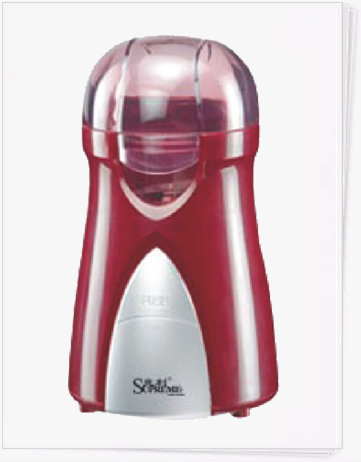
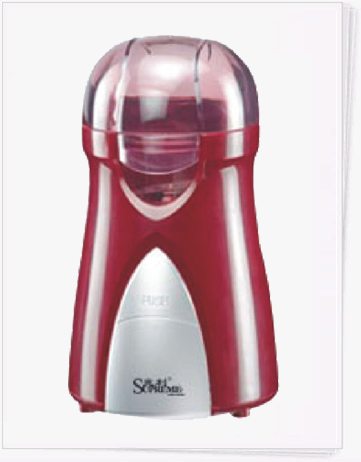
Other Grinders
Source specialized and miscellaneous power grinders directly from vetted manufacturers. This catalog is designed for importers, hardware distributors, and OEM brands looking to buy bulk specialty grinders for industrial, construction, and niche applications with reliable quality and competitive factory pricing.
Sourcing specialty and task-specific grinders—those that fall outside standard angle, die, or bench categories—presents unique procurement challenges. Because these tools are often designed for highly specific applications like heavy surface preparation, concrete leveling, or intricate detail work, off-the-shelf specifications rarely tell the whole story. Success in this category requires strict control over motor durability, dust ingress protection, and ergonomic vibration standards.
Critical Specifications for Specialty Grinders
When negotiating with manufacturers, the bill of materials (BOM) must be explicitly defined. Factories often default to standard power tool components, which may not survive the unique stresses of specialized grinding tasks.
- Motor Architecture: Specify whether the application requires standard brushed motors (lower cost, easier maintenance) or brushless DC (BLDC) motors (higher efficiency, longer lifespan, ideal for cordless applications). For heavy-duty tasks, specify high-temperature copper wiring (rated for 200°C or higher) to prevent burnout under continuous load.
- Dust Ingress Protection: Grinding generates highly abrasive particulate matter. Ensure the specification includes epoxy-coated armatures, labyrinth seals for bearings, and dust-sealed switches (minimum IP5X rating for the switch component).
- Vibration Control: Prolonged use of specialty grinders demands strict adherence to vibration emission standards (measured in m/s²). Specify anti-vibration handles and dynamically balanced rotors to reduce operator fatigue and comply with regional occupational safety regulations.
Need help verifying supplier specifications for specialty power tools? We can audit factory BOMs to ensure your grinders meet professional standards.
Talk to our teamManufacturing Tolerances and Quality Control
The gap between a consumer-grade tool and a professional grinder is often found in the machining tolerances of the gear housing and the quality of the bearings. When evaluating a supplier's production line, pay close attention to their assembly and testing protocols.
Critical Factory-Level Quality Checks
- Rotor Balancing: Rotors must be dynamically balanced to prevent high-frequency vibration and premature bearing failure.
- Gear Machining: Inspect the factory's CNC capabilities for cutting spiral bevel gears; poor machining leads to excessive noise and heat.
- Die-Cast Housing Density: Aluminum gear housings must be free of porosity to ensure proper heat dissipation and structural integrity.
- Hi-Pot Testing: Every unit must undergo high-potential electrical testing on the line to verify insulation safety.
Catching defects before shipment is critical. Implementing rigorous Quality Control & Inspection protocols, including load testing and tear-down inspections of random samples, ensures that the internal components match your agreed-upon specifications.
OEM Customization and Private Labeling
For brands looking to differentiate their product lines, specialty grinders offer significant opportunities for customization. While the internal mechanics may rely on a factory's mature platform, the exterior housing and user interface can be tailored.
When engaging in OEM/ODM Services, you will typically need to invest in custom injection molds for the glass-fiber reinforced nylon housings. If you are developing cordless specialty grinders, ensure the factory has the engineering capability to integrate your proprietary battery communication protocols with their motor controllers.
Pricing Drivers, MOQs, and Lead Times
Pricing in the specialty grinder market is highly elastic, driven primarily by motor type (brushless adds a significant premium), battery inclusion, and the quality of the bearings (e.g., specifying Japanese NSK bearings over standard domestic options).
Managing custom tooling and production schedules across multiple suppliers can be complex. Let us streamline your procurement process.
Get a free consultationFrequently Asked Questions
Successfully importing specialized power grinders requires looking past the outer casing to dictate the quality of the internal components. By enforcing strict BOM requirements and robust quality control, you can source professional-grade tools that build your brand's reputation for reliability.
Get Sourcing Help for Other Grinders
Tell us your requirements and our experts will connect you with verified manufacturers.