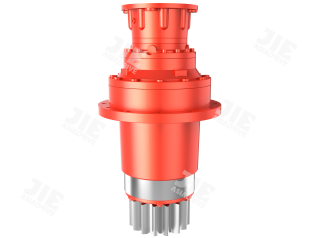
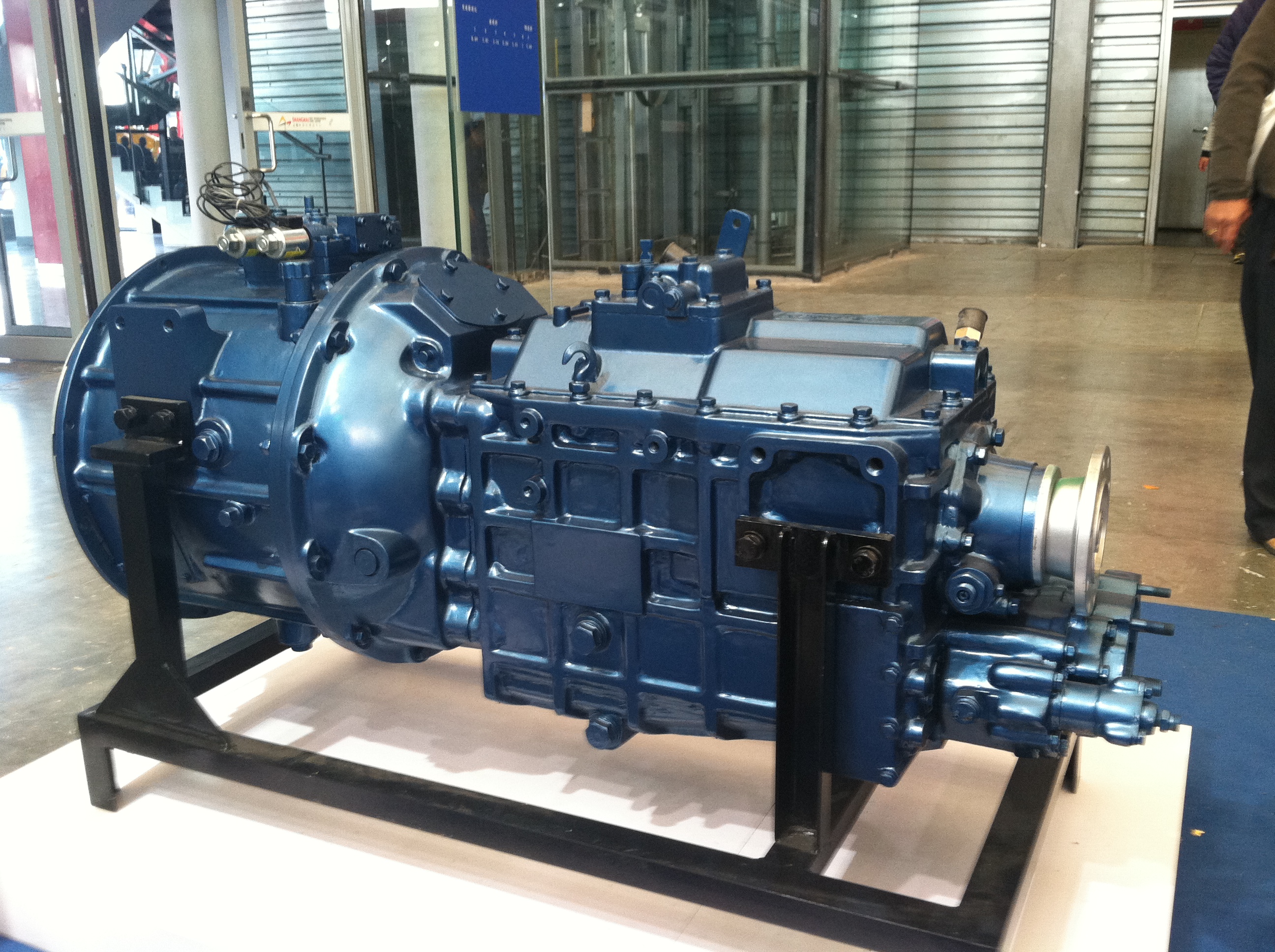
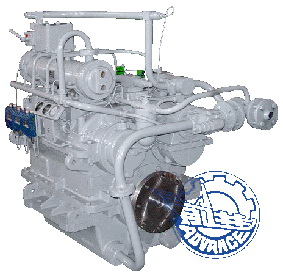
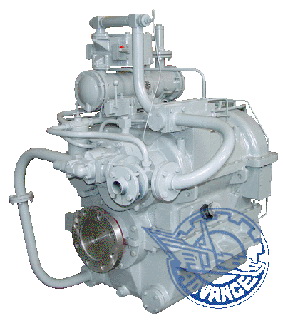
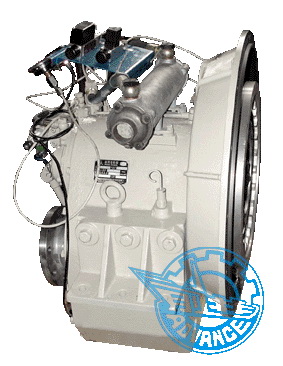
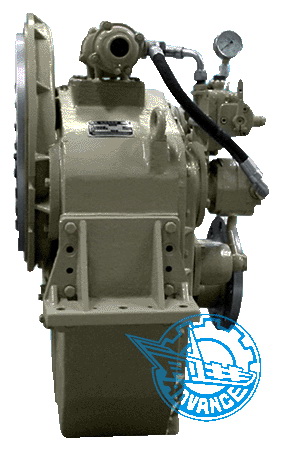
Other Gears
Source custom and specialized other gears from vetted suppliers and manufacturers across Asia. Designed for industrial distributors, procurement managers, and brands requiring OEM production, our network delivers precision-machined non-standard gearing solutions at scale.
Sourcing non-standard or specialty gears requires navigating a complex manufacturing landscape. When your requirements fall outside standard spur, helical, or bevel configurations—whether you need non-circular gears, proprietary tooth profiles, or specialized miniature mechanisms—the primary challenge is matching your design to a facility with the exact machining capabilities to produce it at scale.
Specifying Specialty and Custom Gears
Because "other gears" inherently implies custom or non-standard configurations, your RFQ must be exhaustively detailed. Standard off-the-shelf catalogs rarely apply, meaning the manufacturer relies entirely on your documentation to quote accurately and program their CNC equipment.
Critical Specifications for Non-Standard Gear RFQs
- Exact tooth profile data (CAD models, STEP/IGES files, and fully dimensioned 2D drawings)
- Target precision grade (e.g., DIN 3962, AGMA 2015, or ISO 1328) for runout and pitch deviation
- Material grade and exact metallurgical standards (e.g., ASTM, EN, or JIS equivalents)
- Required heat treatment profile (case depth, core hardness, and surface hardness)
- Surface finish requirements (Ra/Rz) and post-machining operations like gear grinding or honing
Evaluating Factory Machining Capabilities
Not all gear manufacturers can produce non-standard profiles. Many operate high-volume hobbing lines optimized for standard modules and pressure angles. For specialty gears, you need facilities equipped with multi-axis CNC gear shaping, skiving, wire EDM machines, or specialized broaching equipment.
Verifying this requires rigorous factory audits to ensure the supplier actually owns the necessary equipment in-house and isn't outsourcing your proprietary designs to a less capable third-tier workshop.
Struggling to find a factory capable of producing your proprietary gear designs? Let us match you with a vetted, high-precision manufacturer.
Talk to our teamMaterial Selection and Heat Treatment
The performance of specialized gears relies heavily on the interaction between the base material and the applied heat treatment. Specifying the correct alloy and hardening process is critical to preventing premature wear or tooth failure.
| Material Grade | Typical Application | Standard Heat Treatment |
|---|---|---|
| 20CrMnTi (Alloy Steel) | High-load automotive and industrial mechanisms | Carburizing and quenching |
| 42CrMo (High-Tensile Steel) | Heavy machinery, high-torque industrial applications | Induction hardening |
| SUS304 / SUS316 (Stainless) | Corrosive environments, food processing equipment | Solution annealing (often used as-machined) |
| POM / Nylon (Polymers) | Low-noise, low-load, or lubrication-free equipment | None (injection molded or machined) |
Quality Control for Non-Standard Profiles
Validating specialty gears is notoriously difficult. Standard gear checkers may not accommodate non-circular or highly customized tooth profiles. You must establish inspection protocols early in the sourcing process.
First Article Inspection (FAI)
Requires full CMM (Coordinate Measuring Machine) mapping against the original CAD model to verify complex geometries and proprietary profiles.
In-Process Validation
Regular sampling using double-flank roll testing (where applicable) or optical comparators to monitor runout and composite errors during the production run.
Metallurgical Testing
Destructive testing on sample batches to verify case depth, core hardness, and material composition.
Implementing robust quality control & inspection on the factory floor prevents receiving containers of out-of-spec components that cannot be reworked.
Typical MOQs, Pricing, and Lead Times
Custom gear manufacturing involves significant upfront investment in tooling (like custom hobs or broaches), CNC programming, and setup time.
Pricing is driven heavily by the required precision grade and the extent of post-machining operations. Gear grinding to achieve tight tolerances (e.g., DIN 4 or better) will significantly increase the unit cost compared to as-hobbed or as-shaped gears. If you are developing a new product line requiring proprietary mechanisms, leveraging dedicated OEM/ODM services can help streamline the transition from prototype to mass production.
Need realistic pricing and lead times for your custom gear project? Share your drawings with us for a detailed assessment.
Get a free consultationSuccessfully sourcing non-standard gears comes down to aligning your exact technical tolerances with a factory's specific machinery and metrology capabilities. By rigorously vetting suppliers and establishing clear inspection protocols upfront, you can secure high-precision custom components at highly competitive wholesale rates.
Get Sourcing Help for Other Gears
Tell us your requirements and our experts will connect you with verified manufacturers.