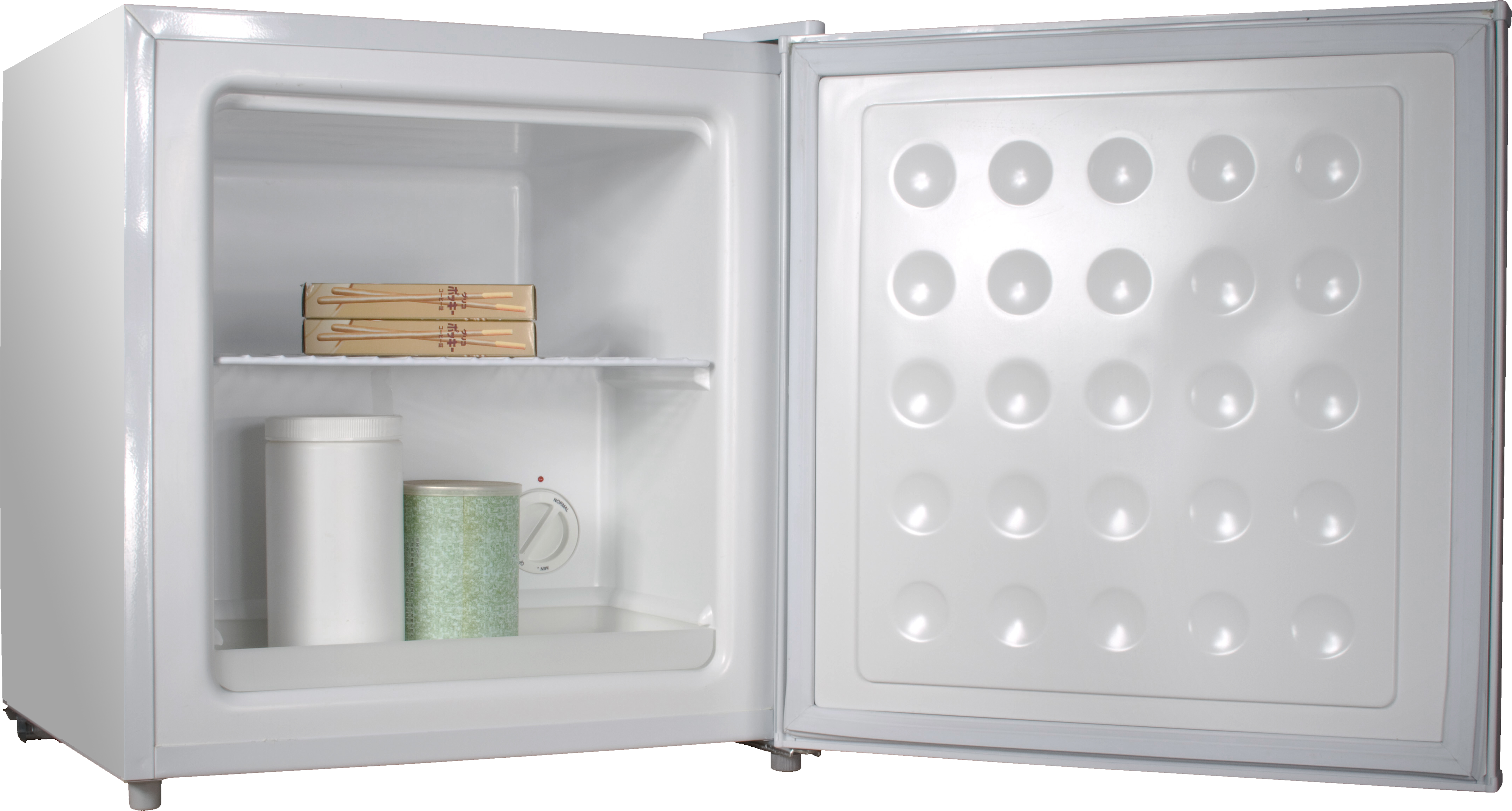
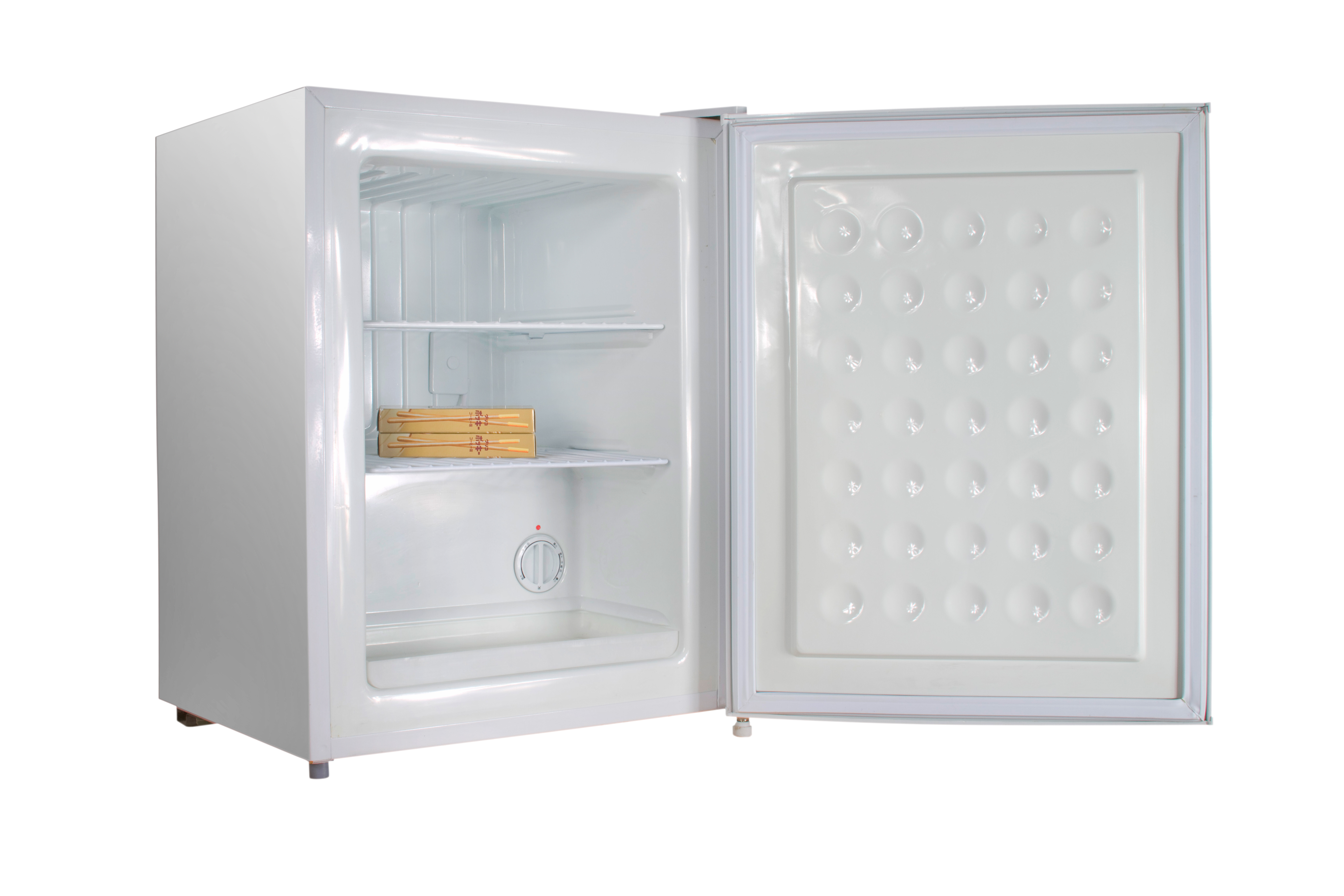
Other Freezers
Source specialized and custom freezers in bulk directly from vetted Chinese manufacturers. Ideal for importers, commercial distributors, and OEM brands requiring specific cooling capacities and form factors. We handle supplier vetting, negotiation, and quality control to ensure reliable performance.
Sourcing specialized freezers—whether for rapid blast chilling, ultra-low temperature (ULT) storage, or custom commercial applications—requires rigorous attention to thermal dynamics and component reliability. Unlike standard residential units, these specialized freezers often operate under extreme environmental stress or strict temperature tolerances. Success in this category hinges on verifying the manufacturer's engineering capabilities and ensuring strict quality control during assembly.
Critical Component Specifications
When dealing with non-standard freezer configurations, the bill of materials (BOM) dictates both performance and longevity. Buyers must specify exactly what goes into the unit rather than relying on a factory's default export configuration.
- Compressor Selection: The compressor is the most critical failure point. For high-demand or ULT applications, specify recognized brands (e.g., Secop, Embraco, or premium tier Donper/Jiaxipera). If the factory proposes a variable-speed inverter compressor, verify the controller board's compatibility and failure rate.
- Refrigerant Compliance: Environmental regulations are tightening globally. Ensure the factory is equipped to handle eco-friendly refrigerants like R290 (propane) or R600a (isobutane). Avoid older hydrofluorocarbons (HFCs) like R404A if importing to regions with strict F-gas regulations (like the EU or North America).
- Insulation Density: Polyurethane (PU) foam thickness and density determine the unit's thermal efficiency. Inadequate foaming leads to temperature fluctuations, excessive compressor cycling, and exterior condensation.
Need help vetting manufacturers for specialized cooling equipment?
Get a free consultationManufacturing Pitfalls and Quality Control
Specialty freezers require precise manufacturing environments. Even with premium components, poor assembly will ruin the product.
Brazing and Leak Detection
The copper tubing joints must be flawlessly brazed. Micro-leaks in the refrigerant circuit are the leading cause of premature failure. Factories must use helium leak detectors or high-pressure water bath testing on every unit.
Foam Injection Consistency
If the factory's PU foaming machine is improperly calibrated, voids can form inside the cabinet walls. This requires thermal imaging or rigorous visual inspection during the early production stages.
Pull-Down Testing
Every unit should undergo a pull-down test in a climate-controlled chamber to verify it reaches the target temperature within the specified timeframe under maximum ambient heat load.
Catching these issues post-production is costly. Implementing rigorous Quality Control & Inspection during the sub-assembly and testing phases is essential for specialized appliances.
Developing Custom Configurations
Many buyers in this category require specific form factors, specialized controllers, or unique shelving configurations. When engaging factories for OEM/ODM Services, clarify who owns the tooling for custom molds (especially for unique plastic liners or exterior cabinets).
Ensure the factory's R&D team has experience with your specific application. A factory that excels at standard chest freezers may lack the engineering background to design a reliable blast freezer or a medical-grade unit with digital data logging.
| Requirement | Standard Factory Capability | Specialized Factory Capability |
|---|---|---|
| Temperature Range | Down to -24 Celsius | Down to -40 or -86 Celsius |
| Testing Chambers | Basic ambient testing | Precision climate chambers (up to 43C ambient) |
| Custom Controllers | Off-the-shelf mechanical | Programmable digital with alarms |
Sourcing Realities: MOQs, Pricing, and Lead Times
Because these units often fall outside mass-market production runs, sourcing dynamics differ from standard appliances.
Pricing is heavily dependent on the compressor brand, the thickness of the stainless steel or pre-painted steel exterior, and the complexity of the cooling system (e.g., single vs. cascade refrigeration). Always audit the factory's component supply chain. Conducting thorough Factory Audits ensures the supplier actually manufactures the units in-house rather than outsourcing your specialized order to a lower-tier workshop.
Ensure your freezer specifications meet market compliance and quality standards.
Talk to our teamBuyer FAQ
Sourcing non-standard freezing equipment requires looking past the spec sheet and deeply evaluating the manufacturer's assembly line and testing protocols. Partnering with experienced professionals can help you navigate component selection and prevent costly failures in the field.
Get Sourcing Help for Other Freezers
Tell us your requirements and our experts will connect you with verified manufacturers.