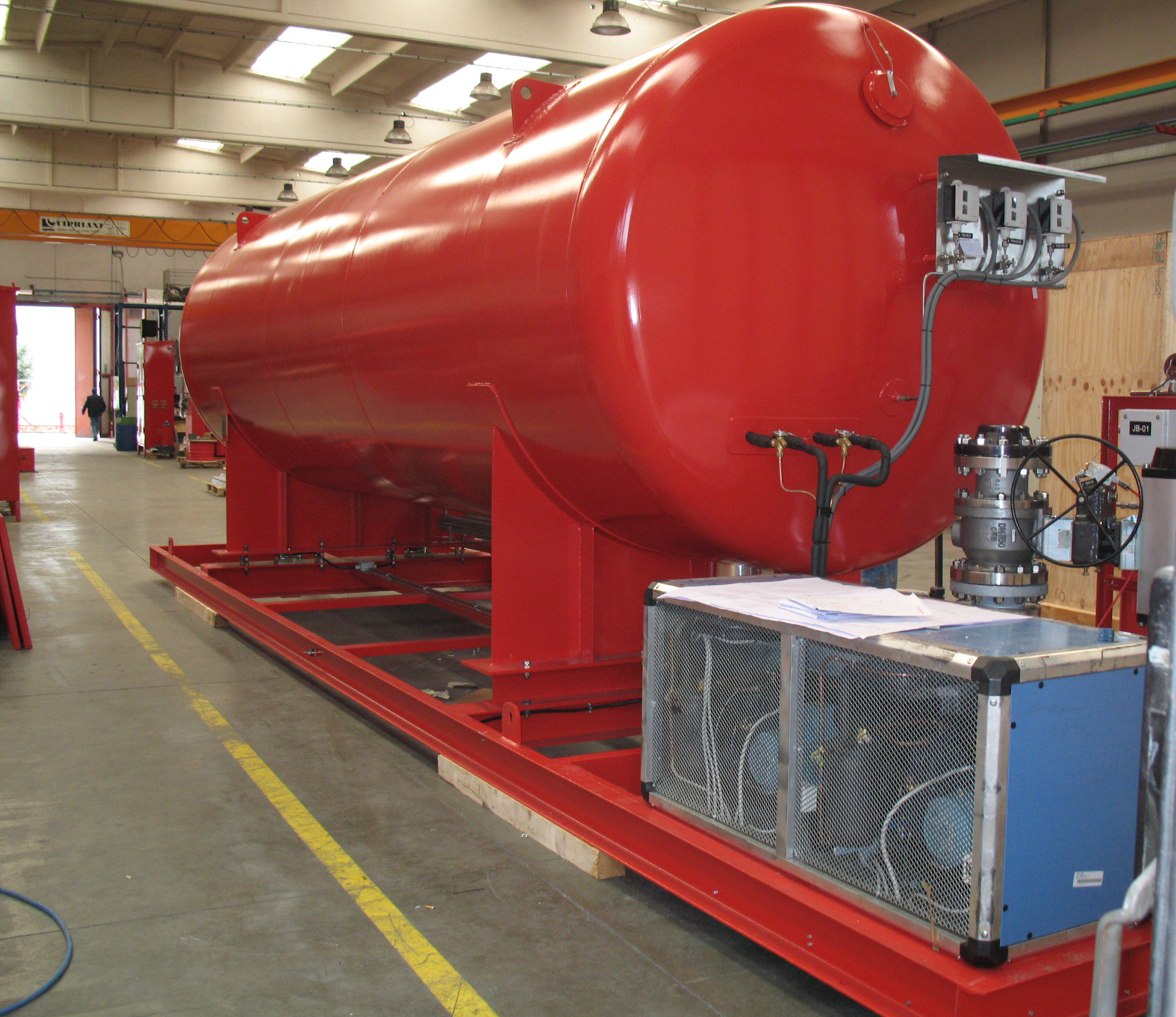
Other Firefighting Supplies
Source Other Firefighting Supplies in bulk directly from vetted manufacturers. This category serves importers, wholesalers, distributors, and brands requiring reliable OEM and private-label production for miscellaneous fire safety equipment, ensuring strict compliance with international life-safety standards.
Sourcing miscellaneous firefighting supplies—ranging from fire blankets and escape ladders to specialized cabinets, brackets, and heavy-duty axes—presents a unique procurement challenge. Because these products span entirely different manufacturing disciplines (industrial textiles, metal fabrication, electronics, and plastics), finding a single capable factory is practically impossible. Success in this category requires vetting highly specialized facilities for each specific product type while maintaining rigorous oversight over life-safety compliance.
When building out a comprehensive fire safety catalog, buyers must navigate a fragmented supplier base, often dealing with trading companies that obscure the true origin of the goods.
Material Specifications & Manufacturing Tolerances
The reliability of peripheral firefighting equipment comes down to the raw materials and the precision of the manufacturing process. Because the category is broad, procurement teams must adapt their quality control criteria to the specific material class.
Industrial Textiles (e.g., Fire Blankets)
For woven fiberglass products, the critical metrics are fabric weight (measured in grams per square meter, or GSM) and the quality of the coating. Standard blankets typically utilize a 430 GSM fiberglass base. Premium variants incorporate a double-sided silicone coating to reduce skin irritation during deployment and improve heat resistance (capable of withstanding continuous temperatures up to 550 degrees Celsius).
Metal Fabrication (e.g., Cabinets, Brackets, and Tools)
Fire extinguisher cabinets and heavy-duty mounting brackets are typically stamped or folded from cold-rolled steel. The primary failure point is corrosion, particularly in marine or industrial environments. Buyers must specify the steel gauge (typically 1.0mm to 1.5mm) and mandate a specific powder-coating thickness (minimum 70 microns) to ensure environmental durability. For forged tools like fire axes, high-carbon steel (such as 45# steel or 65Mn) is required, alongside strict Rockwell hardness (HRC) specifications.
| Product Category | Standard Specification | Heavy-Duty / Industrial Spec |
|---|---|---|
| Fire Blankets | 430 GSM uncoated fiberglass | 430+ GSM, double-sided silicone coated |
| Storage Cabinets | 0.8mm steel, basic paint | 1.2mm cold-rolled steel, 70+ micron powder coat |
| Escape Ladders | Aluminum rungs, standard nylon rope | Steel rungs, flame-retardant aramid webbing |
| Forged Tools | Cast iron or low-carbon steel | Drop-forged 45# carbon steel, HRC 48-52 |
Managing multiple specialized factories is complex. Let us consolidate your supply chain and handle the technical vetting.
Talk to our teamNavigating Compliance and Certifications
Life-safety equipment is highly regulated. Importing non-compliant firefighting supplies can result in customs seizures, severe liability, and product recalls. You cannot rely on a supplier's generic claim of "CE compliance"—the certification must match the specific product and standard.
- EN 1869:2019: The standard for fire blankets in the European market.
- UL 300 / NFPA Standards: Relevant for North American markets, particularly regarding commercial kitchen applications and hardware mounting requirements.
- RoHS & REACH: Applicable if the supplies include electronic components (like standalone smoke alarms) or specific chemical retardants.
Compliance Verification Protocol
- Request the full test report, not just the certificate summary.
- Verify the test report was issued by an accredited third-party lab (e.g., SGS, TUV, Intertek).
- Check that the model number on the certificate exactly matches the SKU you are ordering.
- Ensure the certificate date is current; standards like EN 1869 are periodically updated.
To mitigate risk, experienced buyers integrate independent compliance testing into their procurement cycle, pulling random samples from the production line rather than relying on the golden sample provided by the factory.
Supplier Vetting in a Fragmented Market
A common pitfall when sourcing "other" firefighting supplies is inadvertently partnering with a trading company rather than a manufacturer. A supplier offering fire blankets, steel cabinets, and brass valves is almost certainly outsourcing at least two of those product lines.
If you are buying in true wholesale volume, you need to go direct to the source for each material type. This requires comprehensive product sourcing strategies to identify specialized factories—a textile mill for the blankets, a sheet-metal fabricator for the cabinets. Conducting thorough factory audits before placing a deposit is the only way to confirm a facility's true production capabilities, ISO 9001 certification status, and in-house quality management systems.
Typical MOQs, Pricing, and Lead Times
Because the manufacturing processes vary wildly, so do the commercial terms. Minimum Order Quantities (MOQs) are generally dictated by raw material minimums or the setup time required for machinery.
Tooling costs for OEM modifications (such as custom-stamped logos on cabinets or proprietary bracket designs) are generally low for sheet metal, typically ranging from a few hundred to a thousand dollars. Custom textile dyes or specialized fiberglass weaves will require significantly higher MOQs.
Need to negotiate lower MOQs or consolidate shipments from multiple factories? We can help structure your orders.
Get a free consultationQuality Control Execution
Catching defects before the container is loaded is critical. Once sub-standard safety equipment leaves Asia, returning it is economically unviable. Implementing strict quality control protocols at the factory level ensures compliance. For fire blankets, inspectors should check for fraying edges, correct folding (which impacts deployment speed), and accurate pouch labeling. For metal goods, inspections must verify weld integrity, dimensional accuracy against the CAD drawings, and perform cross-hatch adhesion tests on powder coatings.
Consolidating a catalog of specialized firefighting supplies requires managing multiple vendor relationships, distinct manufacturing processes, and rigorous compliance standards. Partnering with an experienced sourcing team on the ground ensures your safety equipment is manufactured to spec, fully certified, and shipped efficiently.
Get Sourcing Help for Other Firefighting Supplies
Tell us your requirements and our experts will connect you with verified manufacturers.