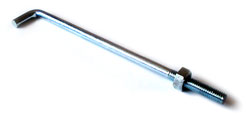
Other Fasteners
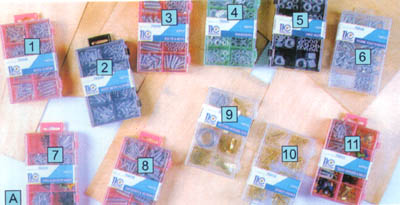
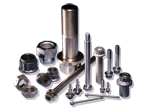
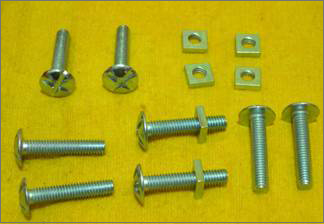
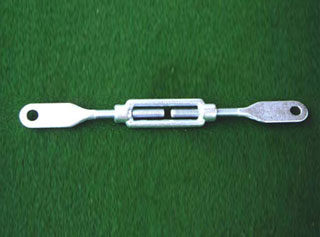
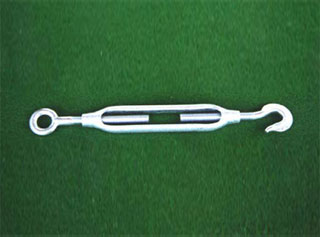
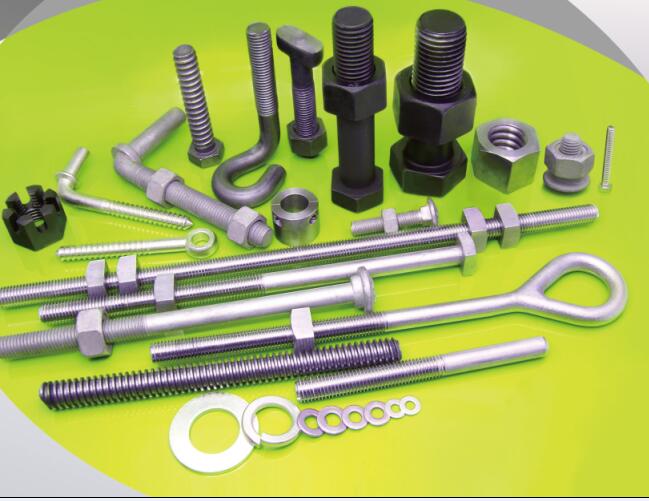
Source specialized and non-standard Other Fasteners from vetted suppliers and manufacturers in China and Asia. Designed for hardware importers, industrial distributors, and brands requiring bulk wholesale orders or custom OEM production, ensuring precision tolerances and reliable material grades.
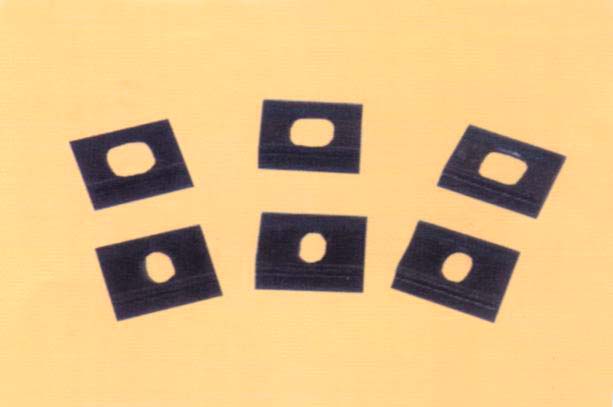
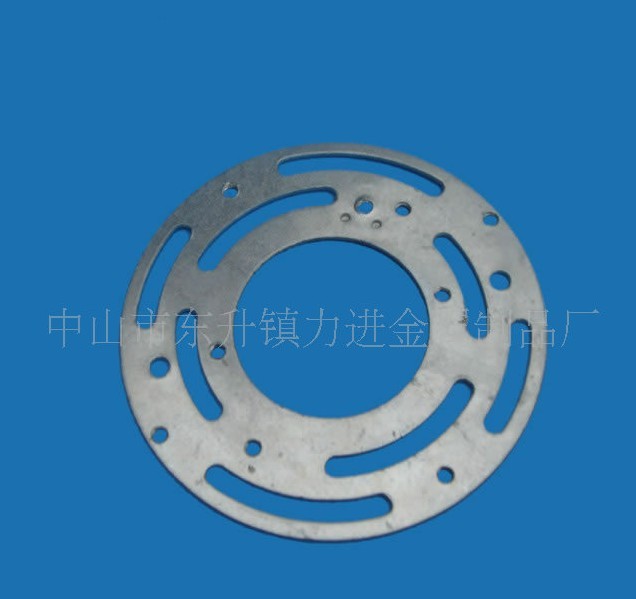
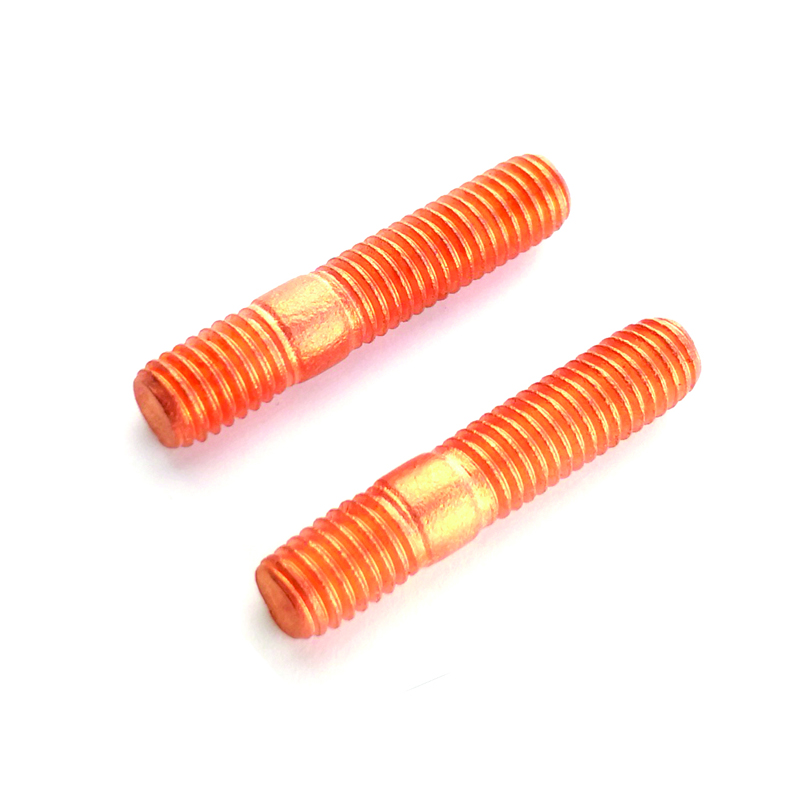
Sourcing specialty, custom, or non-standard fastening components requires a departure from standard DIN or ISO catalog buying. When dealing with uncategorized or proprietary fasteners—whether specialized retaining clips, custom-machined pins, or unique structural anchors—the burden of defining tolerances, material yield strengths, and surface treatments falls entirely on the buyer. Success relies on partnering with manufacturers capable of tight-tolerance cold heading, precision stamping, and rigorous metallurgical control.
Specifying Non-Standard Fasteners
Because these components often lack a universal standard, your technical drawing or specification sheet is the only source of truth. Manufacturers will produce exactly what is specified, meaning omissions in material grades or finishing requirements will lead to unusable stock.
Material Selection and Grade
The foundation of any fastener is the raw wire or rod stock. For high-tensile applications, carbon steel (such as 10B21, 35ACR, or 45# steel) is standard, but it requires precise heat treatment to achieve the desired property class (e.g., Class 8.8, 10.9, or 12.9). For corrosive environments, austenitic stainless steels (304/A2 or 316/A4) are preferred, though they cannot be hardened by heat treatment to the same degree as carbon steel.
Surface Treatments and Corrosion Resistance
The finish applied to a fastener dictates its lifespan in the field. When specifying finishes, always define the required hours of salt spray resistance (ASTM B117) rather than just naming the coating.
| Treatment | Corrosion Resistance | Typical Application |
|---|---|---|
| Zinc Plating (Clear/Yellow) | Moderate (48 to 96h salt spray) | Indoor hardware, light industrial assemblies |
| Black Oxide | Low (relies on residual oil) | Internal machinery, tooling components |
| Hot Dip Galvanized (HDG) | High (thick zinc layer) | Outdoor structural, heavy construction |
| Geomet / Dacromet | Very High (500h+ salt spray) | Automotive, marine, severe environments |
Need to develop a custom fastener with specific load and corrosion requirements? Let our sourcing experts match you with the right capable manufacturer.
Talk to our teamManufacturing Risks and Quality Control
Producing non-standard fasteners often involves custom tooling for cold heading machines, progressive stamping presses, or CNC lathes. The primary risks in production occur during heat treatment and plating.
The Risk of Hydrogen Embrittlement
When high-tensile carbon steel fasteners (typically Class 10.9 and above) are electroplated (like zinc plating), hydrogen atoms can become trapped in the steel's grain structure. Under stress, this causes catastrophic, delayed brittle failure. To prevent this, the factory must bake the fasteners at specific temperatures within hours of plating. Verifying a supplier's heat treatment and baking protocols is a critical part of factory audits before placing high-tensile orders.
Establishing the QC Protocol
Do not rely on the factory's internal final inspection for custom fasteners. You must define the acceptable quality limit (AQL) and the specific testing required before the goods leave the facility.
Critical QC Checks for Specialty Fasteners
- Dimensional accuracy verification using go/no-go gauges, micrometers, and optical comparators.
- Salt spray testing (ASTM B117) to verify plating thickness and integrity.
- Hardness testing (Rockwell/Vickers) post-heat treatment to ensure correct property class.
- Torque and tensile yield testing for load-bearing structural applications.
- Baking verification records for high-tensile electroplated components.
Implementing independent quality control inspections ensures that dimensional anomalies or improper heat treatments are caught before the bulk order is shipped across the world.
MOQs, Tooling, and Lead Times
Unlike standard off-the-shelf screws or nuts, custom or specialized fasteners require a different approach to purchasing economics.
Manufacturers of non-standard fasteners rarely quote minimum order quantities (MOQs) by the piece. Instead, MOQs are dictated by the minimum batch size of the raw wire rod or the setup time for the cold heading machinery. Expect MOQs to range from 500kg to 1,000kg per SKU. For very small, lightweight fasteners, this can translate to hundreds of thousands of pieces.
If your component requires custom molds or dies, you will need to pay a tooling fee upfront. This typically ranges from a few hundred to a few thousand dollars, depending on complexity. Ensure your OEM/ODM services agreement clearly states that you own the tooling once paid for, preventing the factory from selling your proprietary design to competitors.
Struggling with high MOQs or unverified factory quality? We manage the negotiation, tooling, and production oversight for your specialized hardware.
Get a free consultationFrequently Asked Questions
Securing Your Fastener Supply Chain
Sourcing specialized fasteners is an exercise in risk management. A single millimeter deviation or skipped baking process can render an entire production run useless, or worse, cause failure in the end-user's application. Success requires moving beyond simple price negotiations and focusing heavily on metallurgical competence, strict dimensional controls, and verified manufacturing processes.
By defining exact specifications and enforcing rigorous pre-shipment testing, you can build a highly reliable supply chain for even the most complex fastening components. If you need experienced oversight to manage specialized hardware production in Asia, our team is ready to assist.
Get Sourcing Help for Other Fasteners
Tell us your requirements and our experts will connect you with verified manufacturers.