Other Environmental Products
Source specialized and emerging Other Environmental Products from vetted suppliers and manufacturers. Designed for importers, industrial distributors, and brands seeking OEM production, our bulk wholesale catalog covers niche eco-friendly materials and environmental control solutions to meet complex sustainability requirements.
Sourcing specialized environmental products that fall outside standard categories requires rigorous attention to material science and production tolerances. Whether you are developing emerging pollution control components, niche waste-management hardware, or non-standard biodegradable materials, the primary challenge lies in bridging the gap between innovative eco-specifications and consistent, high-yield manufacturing.
Navigating Material Specifications and Compliance
When dealing with emerging or non-standard environmental products, technical specifications are often highly customized. Buyers must establish strict baselines for material performance, especially when utilizing recycled composites or novel bioplastics where batch-to-batch consistency is notoriously difficult to maintain.
For products relying on biodegradable or compostable claims, structural integrity during the product's intended lifecycle must be balanced against its end-of-life breakdown. Key metrics to define with your manufacturer include Melt Flow Index (MFI), tensile strength, and thermal stability. Without clear definitions, factories may blend virgin plastics or non-compliant resins to stabilize the manufacturing process, compromising the product's environmental integrity.
Mitigating this risk requires stringent Compliance & Testing protocols. Certifications such as ASTM D6400, EN 13432 for compostability, or ISO 14001 for factory environmental management should be verified through third-party lab results, not just accepted at face value from a supplier's sales deck.
Struggling to verify the material claims of overseas suppliers? Let us handle the technical vetting and compliance testing.
Talk to our teamManufacturing Tolerances and Quality Control
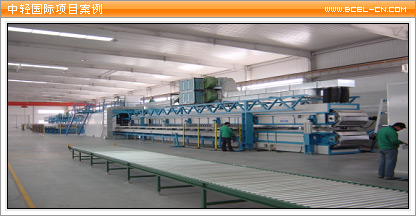
Producing niche environmental products often involves adapting traditional manufacturing equipment—like injection molders or extruders—to handle unconventional materials. Bioplastics and recycled polymers behave differently under heat and pressure than standard thermoplastics, increasing the risk of flash, short shots, or warping.
When evaluating a factory floor, pay close attention to their temperature control systems and mold maintenance routines.
Factory Floor Evaluation for Eco-Materials
- Drying equipment: Bioplastics are highly hygroscopic; verify the presence of desiccant dryers to prevent moisture-induced degradation during molding.
- Tooling precision: Check for specialized mold coatings or venting systems designed to handle the specific off-gassing of recycled or bio-resins.
- Scrap management: Ensure the factory has a closed-loop system for regrinding and reusing acceptable scrap without degrading the final product's physical properties.
- Traceability: Verify batch-tracking systems to isolate and identify raw material lots in case of a defect.
Relying on comprehensive Factory Audits before placing an order ensures the supplier actually possesses the specialized equipment and technical knowledge required, rather than simply outsourcing your production to a standard plastics facility. Furthermore, implementing rigorous Quality Control & Inspection during the initial production runs is critical to catch material degradation issues before the goods are containerized.
Custom Tooling and OEM/ODM Production
Because "other" environmental products often represent new market innovations, standard off-the-shelf designs are rarely sufficient. Engaging a factory for OEM/ODM Services requires clear agreements on tooling ownership and intellectual property.
When commissioning custom molds for eco-friendly materials, expect the tooling iteration process (T1, T2 samples) to take longer than standard products. The shrinkage rates of novel materials often require multiple mold adjustments to achieve the correct final dimensions. Ensure your manufacturing contract explicitly dictates that you own the mold upon completion and that the factory cannot use your proprietary eco-design for other clients.
Pricing, MOQs, and Lead Times
The economics of specialized environmental products are heavily influenced by raw material availability and the complexity of the manufacturing process. Because these materials are often sourced from specialized compounding facilities, factories must purchase raw inputs in bulk, which drives up the Minimum Order Quantity (MOQ).
Volume is the primary lever for price negotiation. Factories are often willing to amortize custom tooling costs over larger orders or offer tiered pricing based on annual volume commitments.
Need to optimize your unit costs and negotiate better terms for custom environmental products? Speak with our sourcing experts.
Get a free consultationSuccessfully sourcing emerging environmental products requires moving beyond surface-level eco-claims and digging into the material science and manufacturing realities on the factory floor. By establishing strict technical specifications and maintaining close oversight of the production process, you can build a resilient, compliant supply chain for your specialized products.
Get Sourcing Help for Other Environmental Products
Tell us your requirements and our experts will connect you with verified manufacturers.