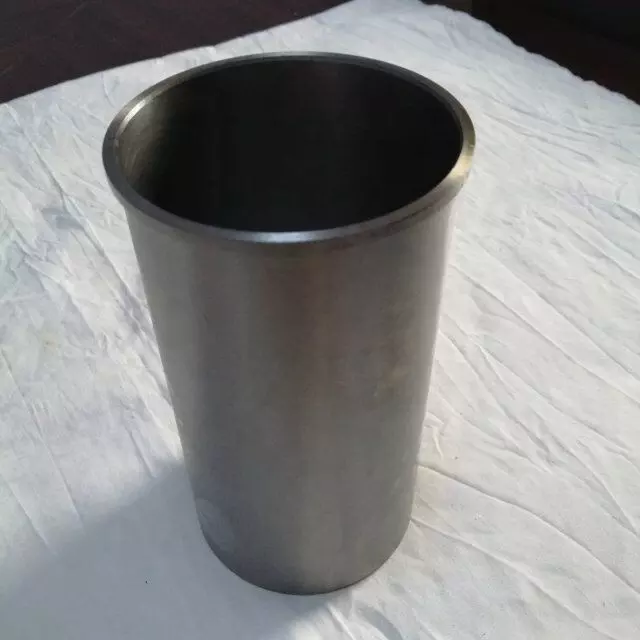
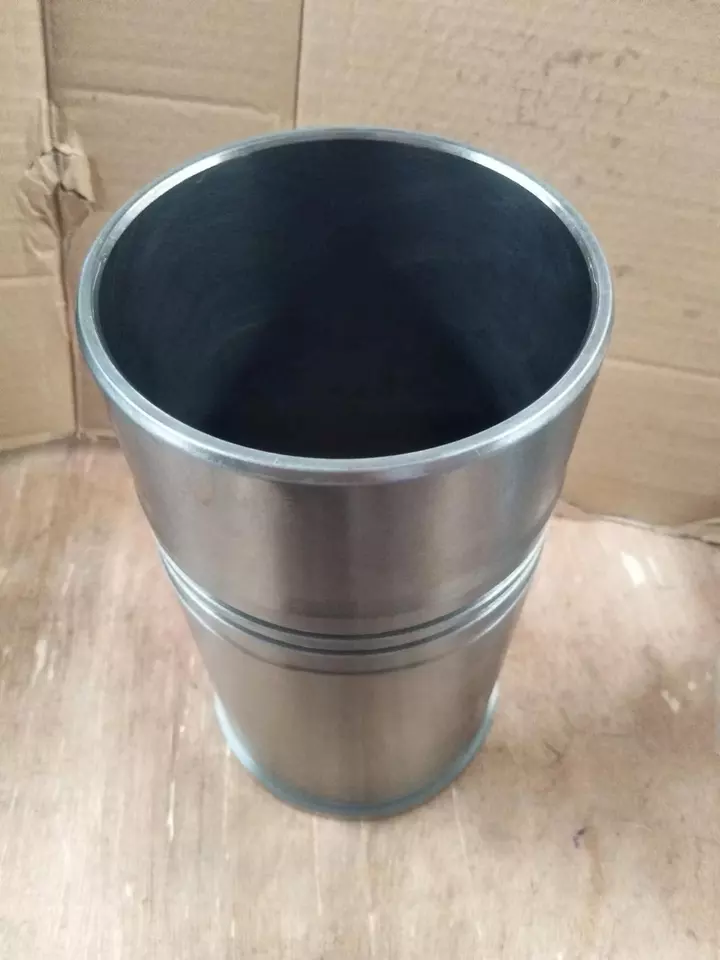
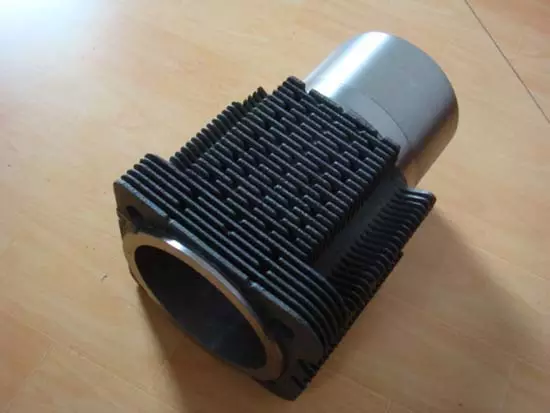
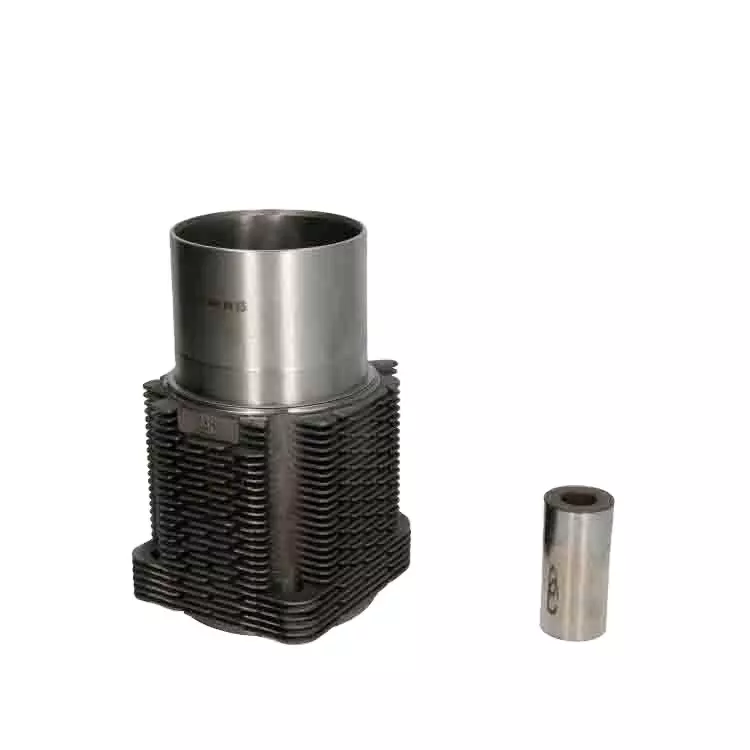
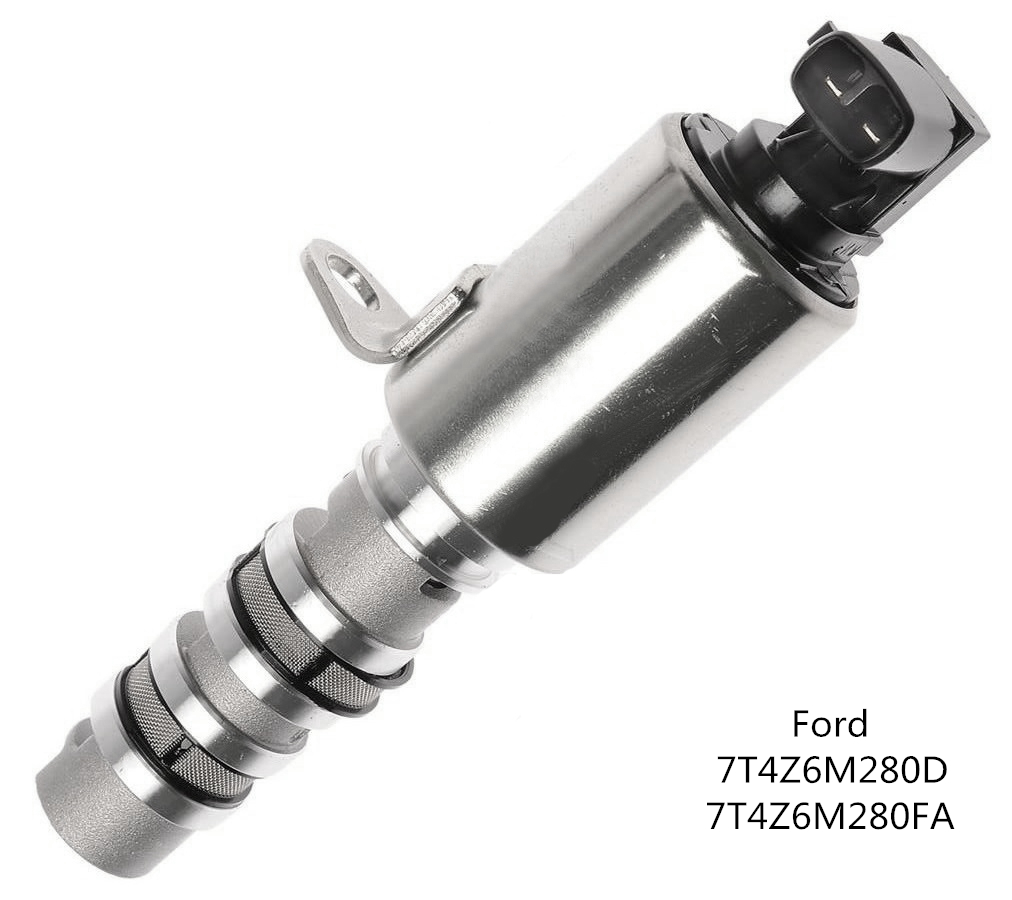
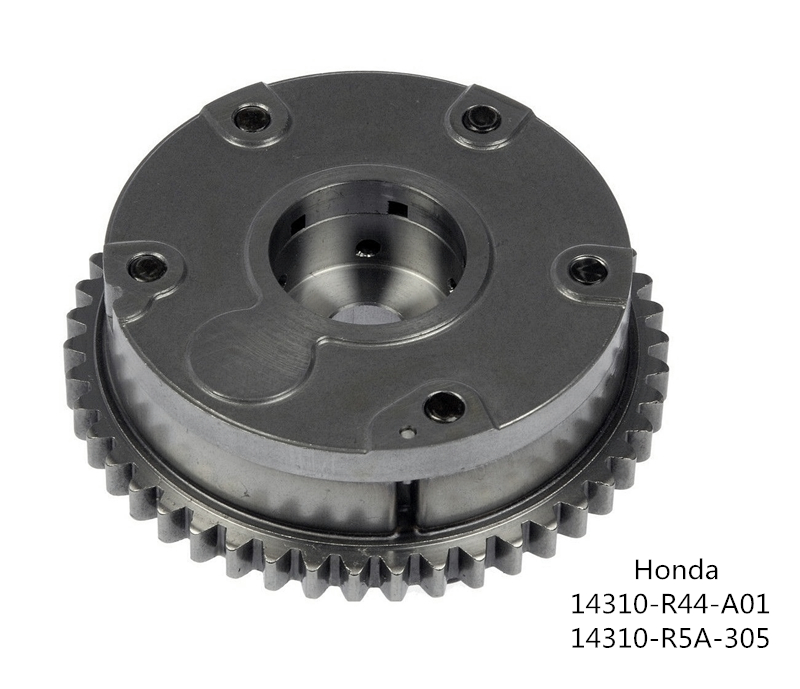
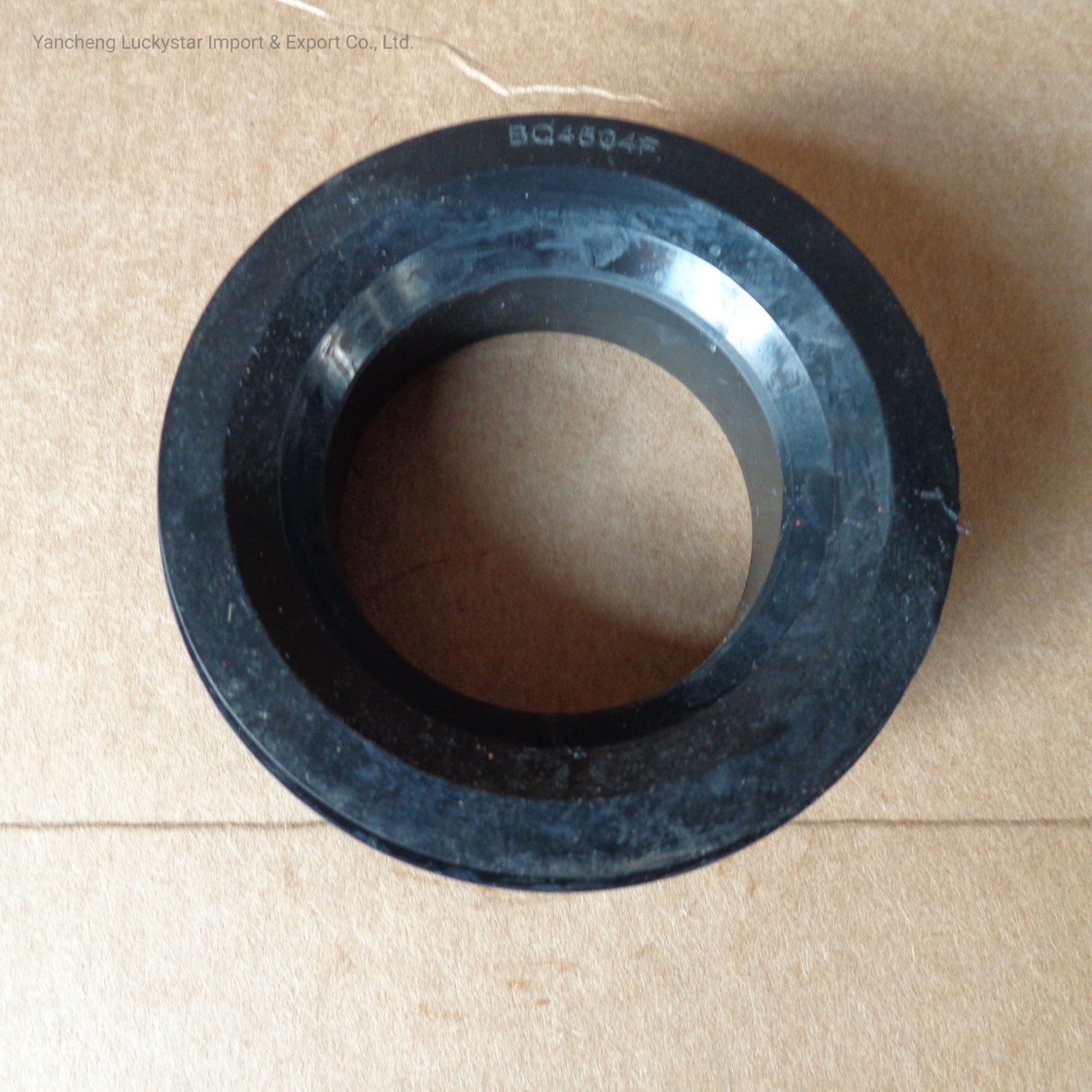
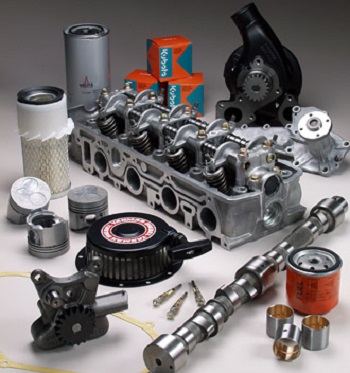
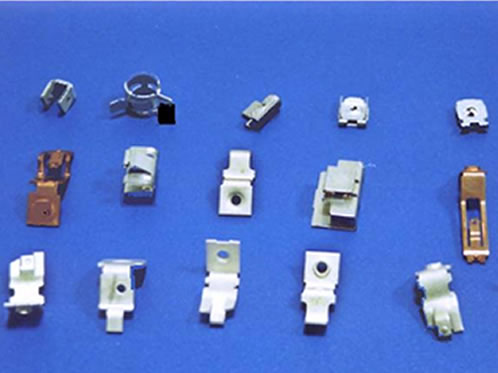
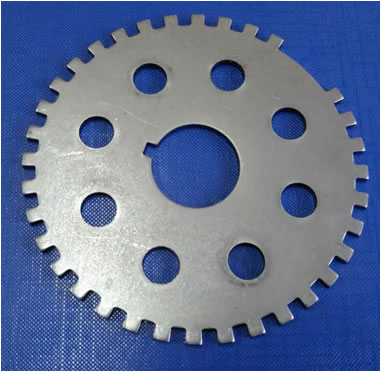
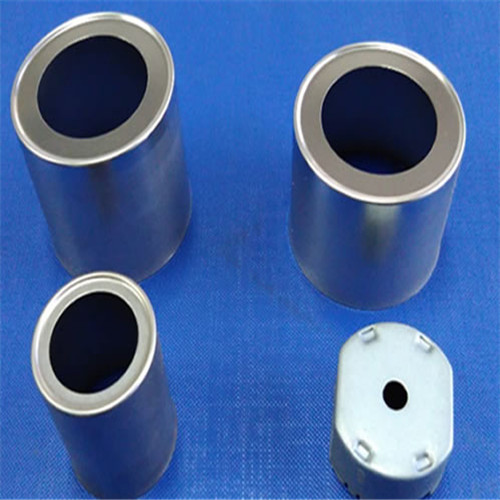
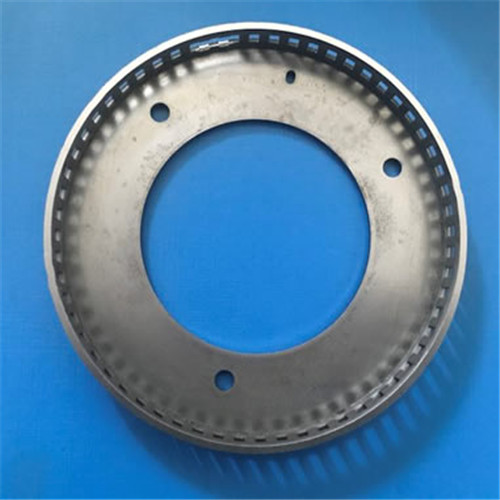
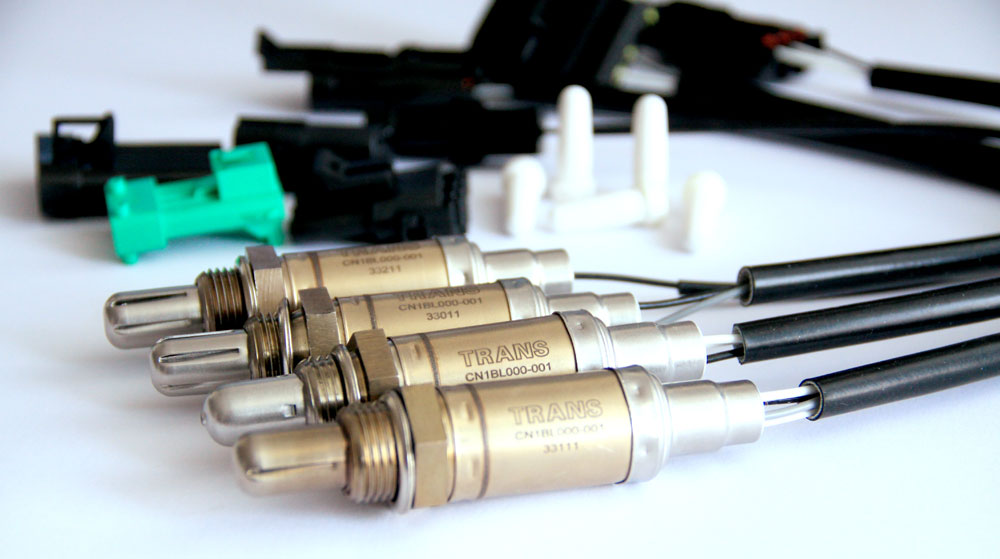
Other Engine Parts
Source high-quality Other Engine Parts from vetted manufacturers and wholesale suppliers across Asia. Built for automotive importers, distributors, and brands requiring OEM or aftermarket production, our network delivers precision-engineered components at scale. Secure competitive bulk pricing today.
Sourcing specialized or miscellaneous engine components requires navigating a highly fragmented supplier base. Because this category encompasses a vast array of parts—ranging from custom mounting brackets and specialized tensioners to high-temperature seals and obscure valve components—the primary challenge lies in matching the exact material grade and dimensional tolerance to a factory equipped for that specific production method. Relying on a single generalist supplier often leads to compromised material integrity or outsourced sub-tier production that escapes your quality oversight.
Material Specifications and Manufacturing Tolerances
The operational environment of an internal combustion engine demands strict adherence to material science. Components categorized as "other engine parts" frequently sit adjacent to high-heat, high-vibration, or chemically aggressive zones (like oil and coolant galleries). Specifying the correct alloy or polymer is non-negotiable.
| Material Class | Common Applications | Key Sourcing Risk |
|---|---|---|
| Aluminum Alloys (A380, ADC12) | Housings, custom brackets, covers | Subsurface porosity during die casting |
| Carbon & Alloy Steel (4140, 4340) | Tensioners, specialized fasteners | Improper heat treatment or quenching |
| High-Temp Elastomers (FKM, Viton) | Custom seals, vibration dampers | Resin substitution with cheaper NBR |
| Engineered Plastics (PA66+GF30) | Baffles, guides, breather components | Warping from uneven cooling cycles |
When dealing with metallic components, dimensional tolerances typically need to be held to under 0.05 mm for mating surfaces, with surface roughness (Ra) specified according to the gasket or sealing requirement. Ensure your supplier's CNC turning and milling centers are calibrated to maintain these tolerances across high-volume runs, not just on the first article sample.
Validating Factory Capabilities and Quality Control
Many suppliers listing broad catalogs of engine parts are trading companies, not manufacturers. When sourcing custom or critical components, you must verify the factory's in-house capabilities. A legitimate manufacturer for these parts should hold IATF 16949 certification, which dictates strict quality management systems specific to the automotive supply chain.
Struggling to verify factory capabilities for specialized engine components? We can evaluate your shortlist and ensure they meet automotive standards.
Talk to our teamTo prevent defect rates from creeping up during mass production, implement a rigorous inspection protocol. Relying solely on final inspection is risky for parts where defects (like internal casting voids) are hidden.
Critical Quality Control Checkpoints
- Verify raw material certificates (MTCs) to ensure alloy composition matches specifications.
- Conduct non-destructive testing (NDT), such as X-ray or ultrasonic inspection, for cast aluminum housings.
- Verify heat treatment logs to confirm hardness (HRC) meets drawing requirements.
- Perform dimensional checks using Coordinate Measuring Machines (CMM) on a randomized batch sample.
- Test elastomeric parts for compression set and thermal aging resistance.
Implementing professional Quality Control & Inspection at the factory level—before shipment—is the most effective way to catch dimensional drift or material substitutions. Furthermore, conducting comprehensive Factory Audits prior to tooling investment ensures the supplier actually possesses the machinery they claim.
Production Realities: MOQs, Tooling, and Lead Times
Because "other engine parts" often involves custom geometries, tooling is a significant factor. Whether you require injection molds for glass-filled nylon baffles or die-casting molds for aluminum brackets, tooling costs must be amortized over your production volume.
For buyers utilizing OEM/ODM Services to develop proprietary aftermarket upgrades, securing mold ownership in your manufacturing agreement is critical. Never assume you own the tooling just because you paid a "setup fee." Ensure the contract explicitly states that the mold is your property and can be transferred if supplier performance drops.
Need help negotiating tooling ownership and unit costs? Our sourcing experts protect your IP and margins.
Get a free consultationFrequently Asked Questions
Successfully sourcing specialized automotive engine components requires a deep understanding of manufacturing processes and a refusal to accept generalist supplier claims at face value. By enforcing strict material standards, demanding IATF 16949 compliance, and actively managing your tooling agreements, you can secure reliable, high-quality production at competitive price points.
Get Sourcing Help for Other Engine Parts
Tell us your requirements and our experts will connect you with verified manufacturers.