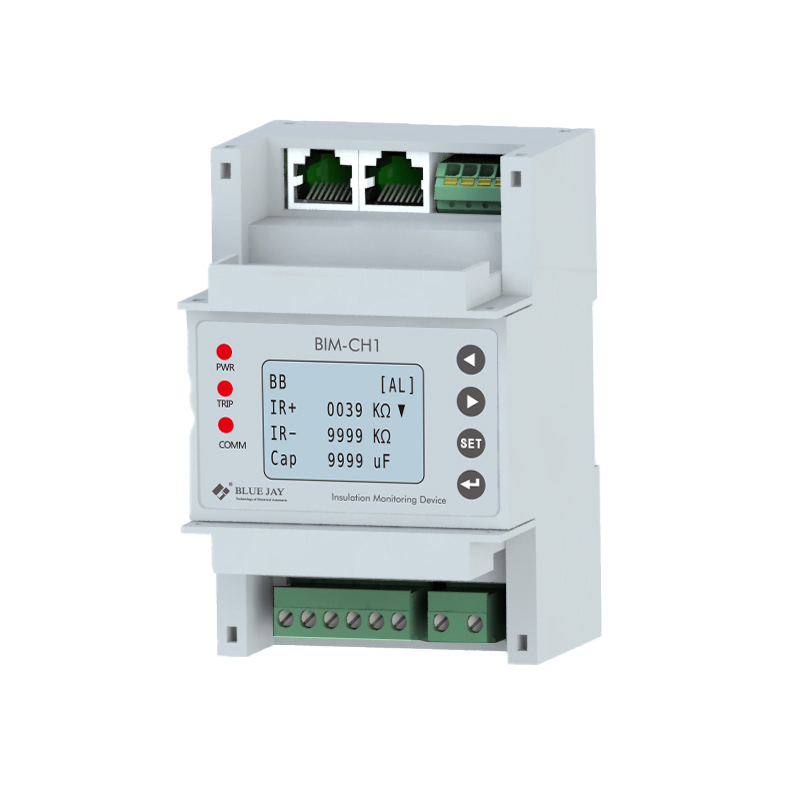
Other Electronic Measuring Instruments
Source wholesale Other Electronic Measuring Instruments directly from vetted manufacturers and specialized factories. Built for importers, industrial distributors, and brands seeking OEM or private-label production, our network delivers precision testing equipment with verified accuracy, stable supply chains, and full regulatory compliance.
Sourcing specialized electronic measuring instruments—such as niche EMF detectors, proprietary battery impedance testers, or custom signal analyzers—requires navigating a highly fragmented manufacturing base. Because these devices fall outside standard categories like basic multimeters, supplier capabilities vary drastically. The primary sourcing challenge is identifying a factory with the R&D depth, cleanroom assembly, and stringent calibration infrastructure necessary to guarantee long-term accuracy and minimal thermal drift.
Key Specifications and Component Quality
When evaluating suppliers for specialized measuring instruments, the bill of materials (BOM) dictates the instrument's ceiling for accuracy and reliability. Factories targeting lower price points often compromise on internal components, which introduces noise and calibration drift.
- Analog-to-Digital Converters (ADCs): The resolution of the ADC (typically 16-bit to 24-bit) determines the instrument's sensitivity. Ensure the factory uses reputable silicon (e.g., Texas Instruments, Analog Devices) rather than unbranded alternatives that suffer from higher noise floors.
- Thermal Drift (Temperature Coefficient): Precision instruments must maintain accuracy across temperature variations. Specify the maximum acceptable drift in parts per million per degree Celsius (ppm/°C).
- Electromagnetic Shielding: For instruments measuring micro-voltages or low-level frequencies, internal copper or mu-metal shielding is non-negotiable to prevent interference from external RF sources.
| Component / Metric | Standard Commercial | Precision Industrial |
|---|---|---|
| ADC Resolution | 12-bit to 16-bit | 18-bit to 24-bit |
| Thermal Drift | 50 to 100 ppm/°C | Under 10 ppm/°C |
| Shielding | Basic PCB ground planes | Dedicated internal metal enclosures |
| Connectors | Standard nickel-plated | Gold-plated BNC / specialized terminals |
Struggling to verify a supplier's internal component quality? Let us audit their BOM and R&D capabilities.
Talk to our teamManufacturing Infrastructure and Quality Control
A factory's assembly line reveals its true capability. Precision measuring instruments cannot be assembled in standard, dusty environments. They require static-controlled (ESD-safe) environments and rigorous aging processes to ensure the electronic components stabilize before final calibration.
Conducting thorough Factory Audits is critical to verify the presence of environmental testing chambers and high-end reference equipment (such as calibrated Fluke or Keysight calibrators) on the production floor.
Critical Factory and QC Checks
- Verify ESD-safe flooring and grounding straps at all assembly stations.
- Confirm a minimum 48-hour burn-in (aging) process at elevated temperatures to catch early component failure.
- Check the calibration dates on the factory's own reference standards.
- Ensure firmware flashing and functional testing are automated to eliminate human error.
To prevent defective or out-of-tolerance units from shipping, implement strict Quality Control & Inspection protocols. Pre-shipment inspections must include functional testing against a known reference standard, not just cosmetic checks.
Customization and OEM/ODM Production
Many distributors and brands require modifications to existing factory designs, ranging from custom housing colors to entirely new firmware interfaces and data-logging capabilities. When engaging OEM/ODM Services, define your software and hardware requirements clearly in the product specification document.
Firmware Ownership
When modifying a factory's off-the-shelf instrument, clarify who owns the customized firmware. If you are paying for NRE (Non-Recurring Engineering) costs to develop a specific measurement algorithm, ensure your contract secures your IP rights.
Typical Pricing, MOQs, and Lead Times
Because "Other Electronic Measuring Instruments" encompasses a wide variety of specialized tools, production metrics fluctuate based on complexity. However, standard commercial realities apply when dealing directly with top-tier Asian manufacturers.
Need to negotiate better MOQs or manage a complex OEM project? Our sourcing experts can align your production needs with the right factory.
Get a free consultationFrequently Asked Questions
Sourcing specialized electronic measuring instruments demands a rigorous approach to supplier vetting, component verification, and calibration standards. By prioritizing factories with robust R&D and stringent quality control, you can secure precision instruments that protect your brand's reputation in the industrial market.
Get Sourcing Help for Other Electronic Measuring Instruments
Tell us your requirements and our experts will connect you with verified manufacturers.