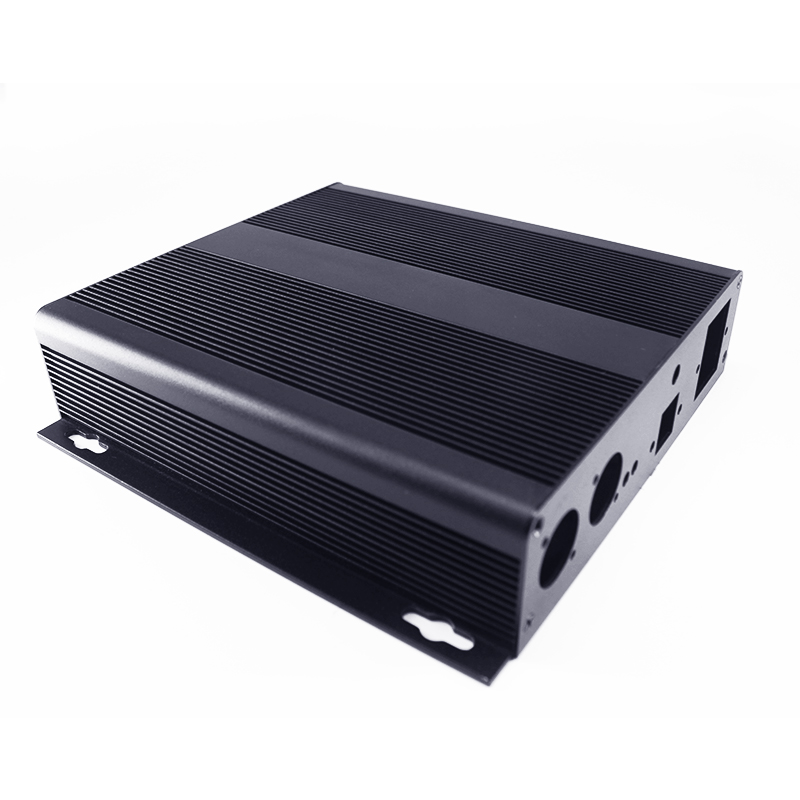
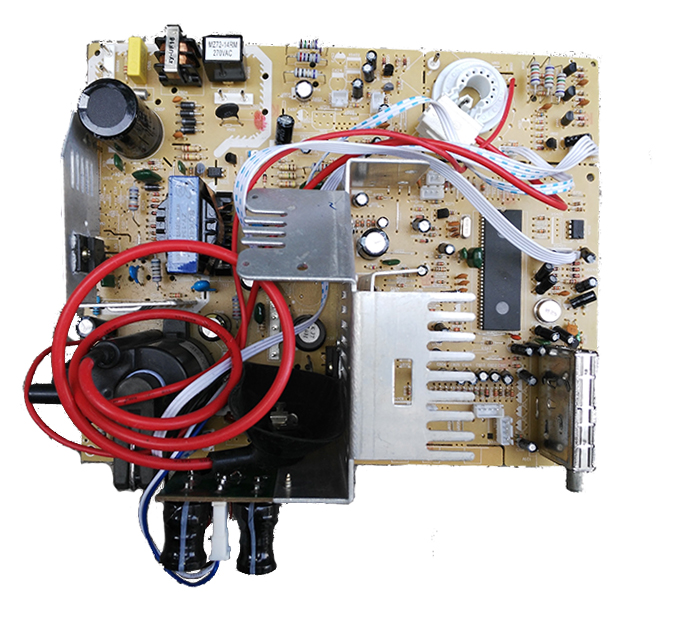
Other Electronic Components
Source specialized and miscellaneous Other Electronic Components from vetted suppliers and manufacturers across Asia. Designed for importers, distributors, and procurement managers, our wholesale network supports bulk purchasing, custom OEM production, and reliable supply chain integration for your niche electronics requirements.
Sourcing non-standard or miscellaneous electronic components requires a fundamentally different approach than procuring commoditized resistors or standard ICs. When a part falls outside standard classifications, the risk of miscommunication between your engineering team and the factory multiplies. Without universal industry part numbers to rely on, successful procurement depends entirely on airtight datasheets, verifying specialized factory capabilities, and executing rigorous batch testing.
Defining Specifications for Niche Components
When procuring specialized electronic components—whether bespoke terminals, custom shielding, unique electromechanical parts, or proprietary sensors—your Bill of Materials (BOM) must be exhaustive. Factories producing non-standard components often require custom tooling or unique assembly lines. If your specifications are vague, manufacturers will default to their standard, often lower-cost, materials and tolerances.
Critical Datasheet Requirements for Non-Standard Components
- Dimensional tolerances (specifically calling out acceptable variances in millimeters or micrometers)
- Material composition grades (e.g., specific alloy designations, not just 'brass' or 'copper')
- Thermal operating ranges and heat dissipation requirements
- Electrical ratings (dielectric strength, impedance, maximum voltage/current)
- Plating thickness and composition (crucial for conductivity and corrosion resistance)
Struggling to find a manufacturer capable of meeting your exact component specifications? Let our sourcing engineers evaluate your datasheets and match you with the right facility.
Talk to our teamManufacturing Risks and Factory Vetting
For components requiring custom molds, specialized stamping, or proprietary assembly (common when utilizing OEM/ODM Services), the initial tooling phase dictates your final yield quality. The most common point of failure in manufacturing niche components is unauthorized material substitution.
A factory might quote based on high-grade phosphor bronze or flame-retardant polymers, but substitute lower-grade alternatives during mass production to improve their margins. These substitutions often pass basic visual checks but fail prematurely under thermal or mechanical stress in the field.
To mitigate this, buyers must conduct thorough Factory Audits before transferring any tooling deposits. You need to verify that the facility has the specific machinery required for your component, rather than subcontracting the complex steps to unvetted third parties.
Subcontracting Risks
In the miscellaneous components sector, factories frequently accept orders outside their core competency and silently subcontract the work. This severely compromises your intellectual property and makes quality control nearly impossible. Always insist on auditing the actual production line.
Quality Control and Compliance Testing
Because "other" components often serve specialized functions, standard testing protocols are rarely sufficient. Your quality assurance strategy must be tailored to the specific failure modes of the part.
Implementing robust Quality Control & Inspection at the factory level—before shipment—is non-negotiable. This should include in-line inspections during the first production run and comprehensive pre-shipment inspections.
Furthermore, components must meet international environmental and safety standards. Depending on your target market, you will need to verify RoHS, REACH, or CE compliance. Engaging professional Compliance & Testing services ensures that material compositions are independently verified in a laboratory setting, protecting your brand from costly customs rejections or recalls.
MOQs, Lead Times, and Pricing Dynamics
Pricing for non-standard components is highly variable and depends heavily on material costs, tooling requirements, and production complexity. Unlike off-the-shelf parts, you must account for the Non-Recurring Engineering (NRE) costs associated with custom molds or dies.
Manufacturers typically require higher Minimum Order Quantities (MOQs) for custom or niche components to justify the setup time on their production lines. If your volumes are lower, expect to pay a significant premium per unit, or negotiate a shared-tooling agreement if the part has broader market applications.
Need realistic pricing and lead time estimates for your custom electronic components? We can help you negotiate favorable terms and manage the production schedule.
Get a free consultationFrequently Asked Questions
Sourcing specialized electronic components is a high-stakes process where ambiguity in your documentation directly translates to product failure. By locking down your specifications, rigorously vetting factory capabilities, and maintaining strict oversight over the tooling and testing phases, you can secure reliable, high-quality components that meet your exact engineering requirements.
Get Sourcing Help for Other Electronic Components
Tell us your requirements and our experts will connect you with verified manufacturers.