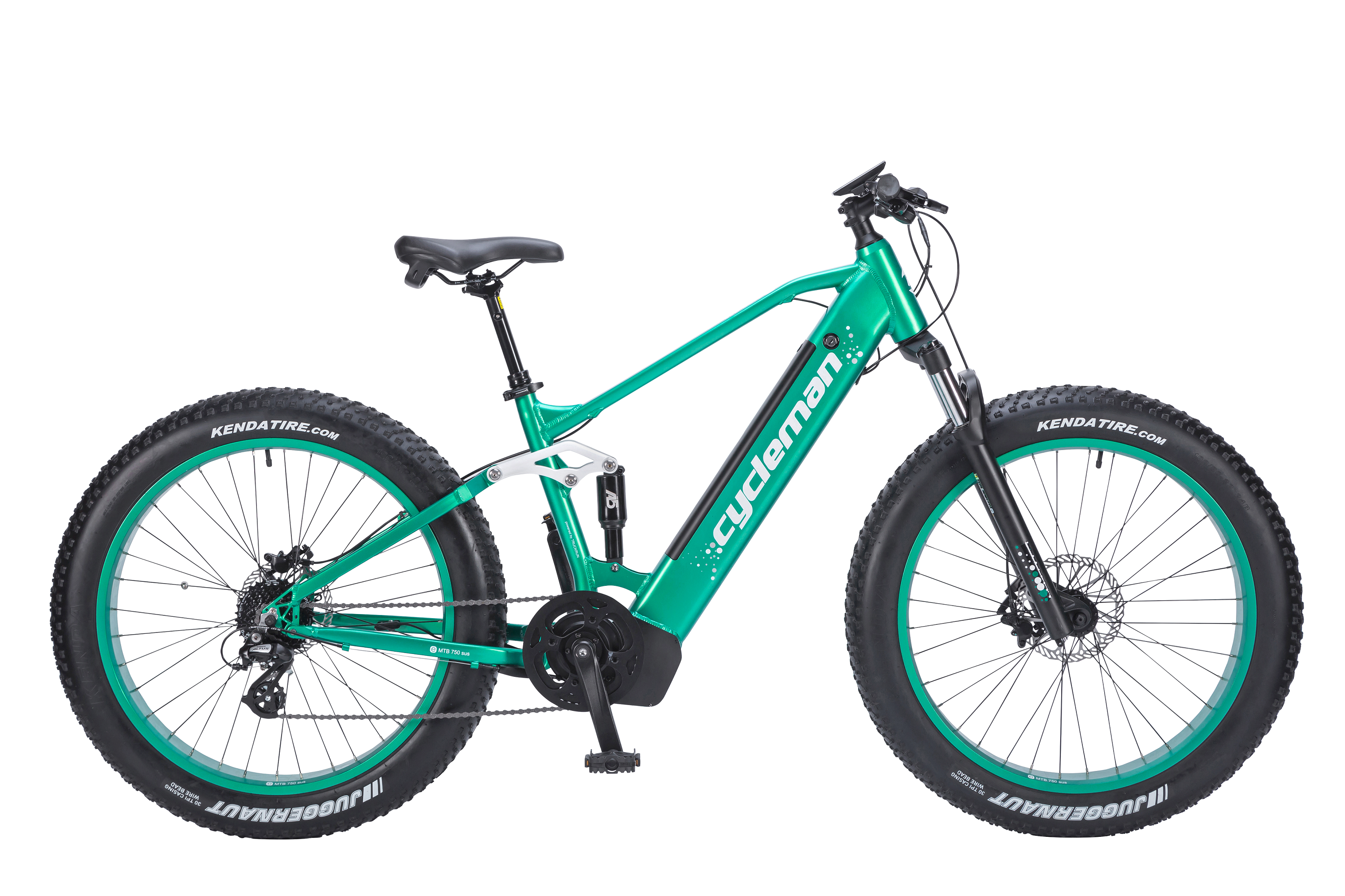
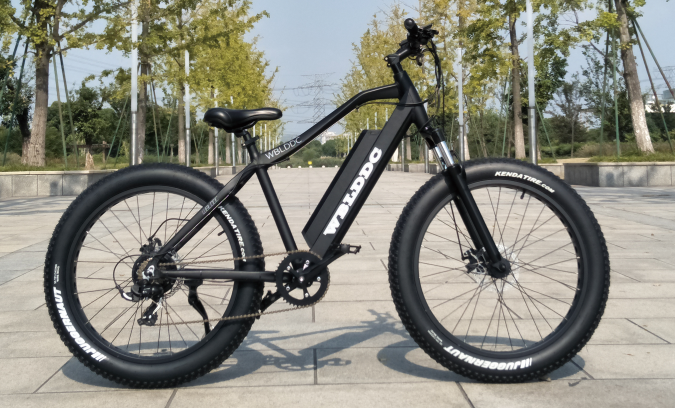
Other Electric Bicycles
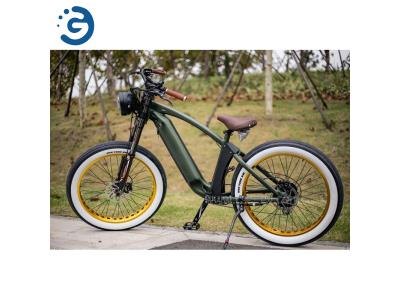
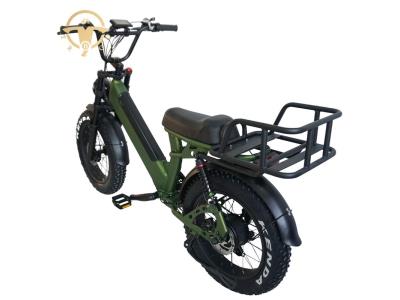
Source specialized and unconventional Other Electric Bicycles directly from vetted suppliers and manufacturers in Asia. Built for importers, wholesalers, and brands seeking OEM or private-label production, our network delivers high-quality, compliant electric mobility solutions at competitive bulk pricing.
Sourcing non-standard electric bicycles—whether specialized utility vehicles, unconventional recreational trikes, or custom multi-rider concepts—requires rigorous attention to structural integrity and electrical integration. Because these form factors fall outside standard commuter or mountain bike geometries, off-the-shelf components often need custom tuning, and frame geometries demand specialized tooling.
For wholesale buyers and brands developing unique mobility products, identifying a manufacturer capable of handling bespoke engineering without compromising on international safety standards is the primary challenge.
Core Specifications for Non-Standard E-Bikes
When developing or sourcing unconventional e-bikes, standard component matching rules often do not apply. You must explicitly define the electrical and structural parameters to ensure the factory does not default to commuter-bike specifications.
Critical Specification Checkpoints
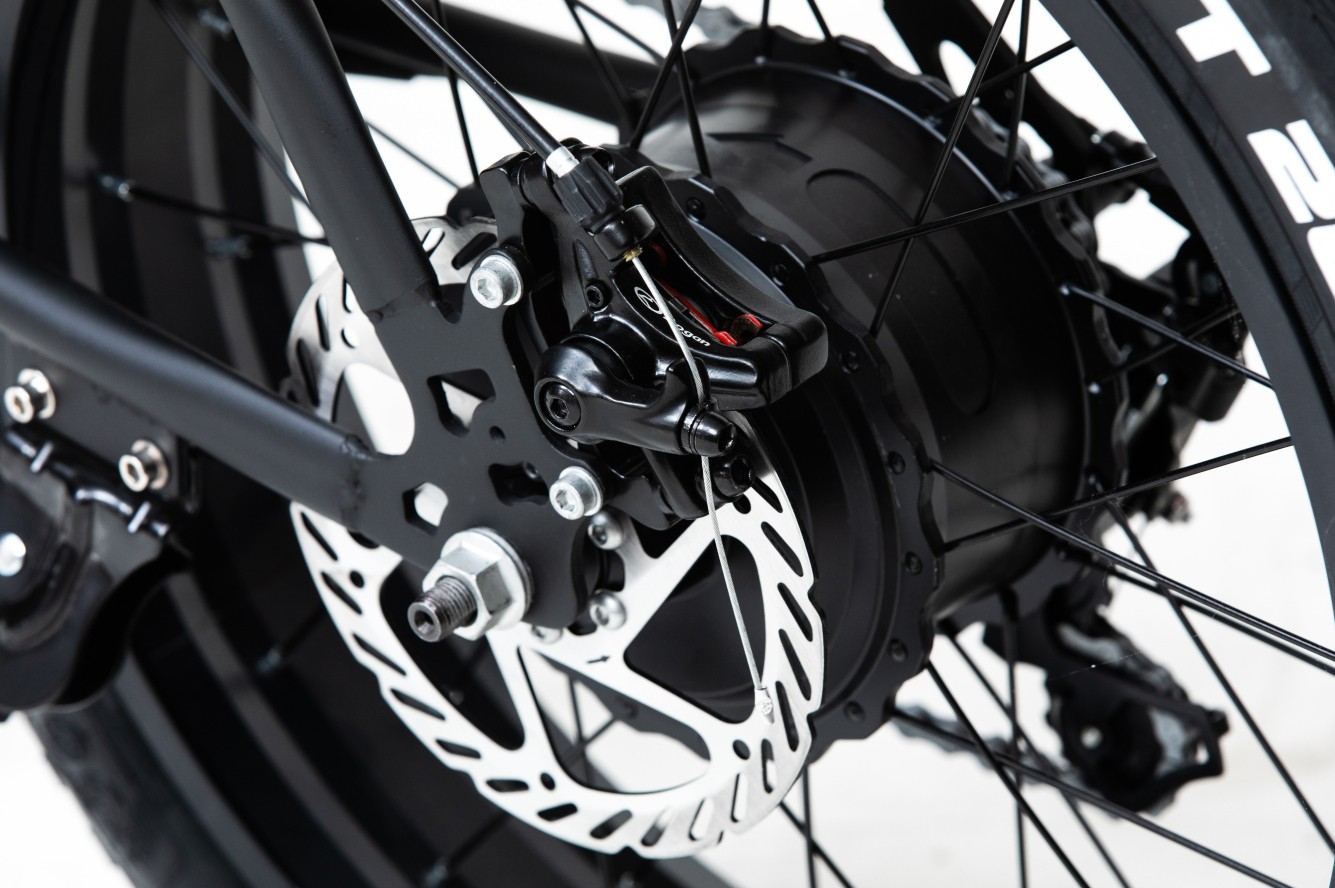
- Motor Integration: Specify hub (front/rear) vs. mid-drive, ensuring the frame incorporates the correct mounting brackets (e.g., Bafang or Bosch standard mounts).
- Battery Chemistry & Capacity: Mandate Tier 1 or Tier 2 cells (Samsung, LG, Panasonic, or high-grade Chinese equivalents) and specify the BMS (Battery Management System) amp rating to handle peak motor draw.
- Frame Material & Treatment: Require 6061 or 7075 aluminum alloy with T4/T6 heat treatment to ensure structural integrity on non-standard load-bearing geometries.
- Wiring Harness: Demand IP65 or higher waterproof ratings for all connectors (e.g., Higo connectors) and controllers.
Developing a custom electric bike concept? Let us help you identify the right manufacturing partner.
Talk to our teamManufacturing Challenges and Quality Control
The production of specialized e-bikes introduces unique failure points on the factory floor. Unlike standard diamond frames, unconventional geometries require custom welding jigs. If a supplier lacks sophisticated tooling, you risk frame misalignment, which causes uneven tire wear and drivetrain inefficiency.
Furthermore, integrating high-capacity batteries into non-standard frames often leads to thermal management issues. The controller must be placed in a well-ventilated area to prevent overheating during continuous peak-load operation.
To mitigate these risks, implementing rigorous Quality Control & Inspection is non-negotiable. Pre-shipment inspections should include dynamic load testing, battery discharge profiling, and thorough checks of the wiring harness routing to ensure cables are not pinched by folding mechanisms or suspension travel. Before placing large orders, conducting comprehensive Factory Audits ensures the supplier actually possesses the in-house R&D and testing equipment required for specialized builds.
Navigating Compliance and Certifications
Custom e-bike form factors attract heavy regulatory scrutiny. A common mistake importers make is assuming a supplier's CE or UL mark for a standard e-bike automatically applies to a modified or entirely new design.
Standard vs. Custom Certifications
Advantages
- Off-the-shelf components may already carry individual CE/RoHS/UL marks.
- Using established motor brands (e.g., Bafang, Shimano) simplifies drivetrain compliance.
Disadvantages
- Complete-vehicle certifications (like UL 2849 or EN 15194) must be re-tested for new frame and battery integrations.
- Non-standard top speeds or wattages may push the vehicle out of the 'bicycle' legal classification into moped territory.
If you are importing into strictly regulated markets, utilizing professional Compliance & Testing services ensures your specific configuration meets local electrical safety and electromagnetic compatibility (EMC) standards before it leaves the factory.
MOQs, Lead Times, and Production Realities
Because "other" electric bicycles often require custom frame molds, specialized jigs, or unique battery casing designs, the buying mechanics differ from standard models.
Pricing is highly volatile based on battery cell origin and motor brand. A 1000W custom utility trike with generic cells will price vastly differently than the same frame utilizing a UL-certified Samsung pack and a branded mid-drive motor. If you are building a product from the ground up, engaging in structured OEM/ODM Services will help you negotiate these component costs transparently and secure intellectual property protections.
Need to negotiate better terms or manage complex OEM production? Connect with our sourcing experts.
Get a free consultationFrequently Asked Questions
Successfully sourcing non-standard electric bicycles requires treating the factory not just as a vendor, but as an engineering partner. By strictly controlling component specifications, validating factory capabilities, and enforcing rigorous quality checks, you can bring unique electric mobility products to market with confidence.
Get Sourcing Help for Other Electric Bicycles
Tell us your requirements and our experts will connect you with verified manufacturers.