Other Drive & Storage Devices
Source Other Drive & Storage Devices from vetted manufacturers and suppliers in China and across Asia. Designed for electronics importers, wholesale distributors, and hardware brands requiring reliable OEM production, our network delivers competitive bulk pricing and strict quality control for specialized storage solutions.
Sourcing specialized or legacy storage hardware—from niche interface adapters and NAS enclosures to optical and tape drive components—requires navigating a fragmented manufacturing landscape. Because this category encompasses devices with widely varying architectures, the primary sourcing challenge lies in verifying that a supplier possesses the specific technical capability for your product, rather than just generic consumer electronics assembly experience.
Critical Component Specifications
When dealing with secondary or specialized storage devices, the bill of materials (BOM) dictates both performance and longevity. Buyers must explicitly define component tiers in their manufacturing agreements to prevent silent substitution.
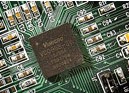
- Controller ICs: The bridge controller is the most critical component in any external drive or adapter. Specify exact chipsets (e.g., specific Realtek, JMicron, or ASMedia part numbers) to ensure stable data transfer rates and compatibility across operating systems.
- Interface Standards: Clearly define the physical and protocol layers. If sourcing USB-C enclosures, specify whether the requirement is USB 3.2 Gen 1 (5Gbps) or Gen 2 (10Gbps), and mandate compliance with USB-IF power delivery standards if applicable.
- PCB and Soldering Quality: For devices handling continuous data streams, thermal management on the PCBA is vital. Require multi-layer PCBs (typically 4 to 6 layers for high-speed data) and specify lead-free wave soldering parameters.
Struggling to verify component authenticity in your storage devices? Let us audit your BOM and supplier capabilities.
Talk to our teamManufacturing and Quality Control
The assembly of storage devices is heavily reliant on automated surface-mount technology (SMT) for the PCBA, followed by manual or semi-automated final assembly. Defects often occur during firmware flashing or due to poor thermal dissipation design in the housing.
Implementing rigorous Quality Control & Inspection protocols at the factory level is non-negotiable. Testing must go beyond simple power-on checks.
Essential QC Checkpoints for Storage Devices
- Read/Write Speed Verification: Automated benchmarking against specified IOPS and sequential transfer rates.
- Thermal Stress Testing: Continuous operation at elevated temperatures (typically 45°C to 55°C) to check for thermal throttling or controller failure.
- Firmware Stability: Verification of correct firmware version and compatibility testing across Windows, macOS, and Linux environments.
- Insertion/Extraction Cycling: Mechanical durability testing for physical connectors (SATA, USB, PCIe).
Validating Supplier Capabilities
The Shenzhen and Dongguan regions dominate storage device manufacturing, but the market is crowded with trading companies posing as factories. A true manufacturer will have in-house SMT lines, cleanroom facilities (if handling bare drives or optical components), and dedicated firmware engineers.
Before committing to a bulk order, conducting comprehensive Factory Audits is essential to verify their production capacity and ISO 9001 compliance. If you are developing a custom enclosure or proprietary interface, ensure the supplier has proven OEM/ODM Services experience, specifically with tooling design and thermal simulation.
Typical Pricing, MOQs, and Lead Times
Production costs and timelines vary significantly depending on the complexity of the PCBA and the materials used for the housing (extruded aluminum versus injection-molded ABS).
Lead Time Risks
Component shortages for specialized controller ICs can extend lead times by 20 to 30 days. Always forecast inventory needs with silicon supply chain volatility in mind.
Frequently Asked Questions
Securing reliable secondary and specialized storage devices requires a firm grasp of component-level specifications and rigorous factory-floor oversight. By defining precise technical requirements and validating supplier capabilities early, buyers can mitigate the risks of substandard performance and inconsistent quality.
Get Sourcing Help for Other Drive & Storage Devices
Tell us your requirements and our experts will connect you with verified manufacturers.