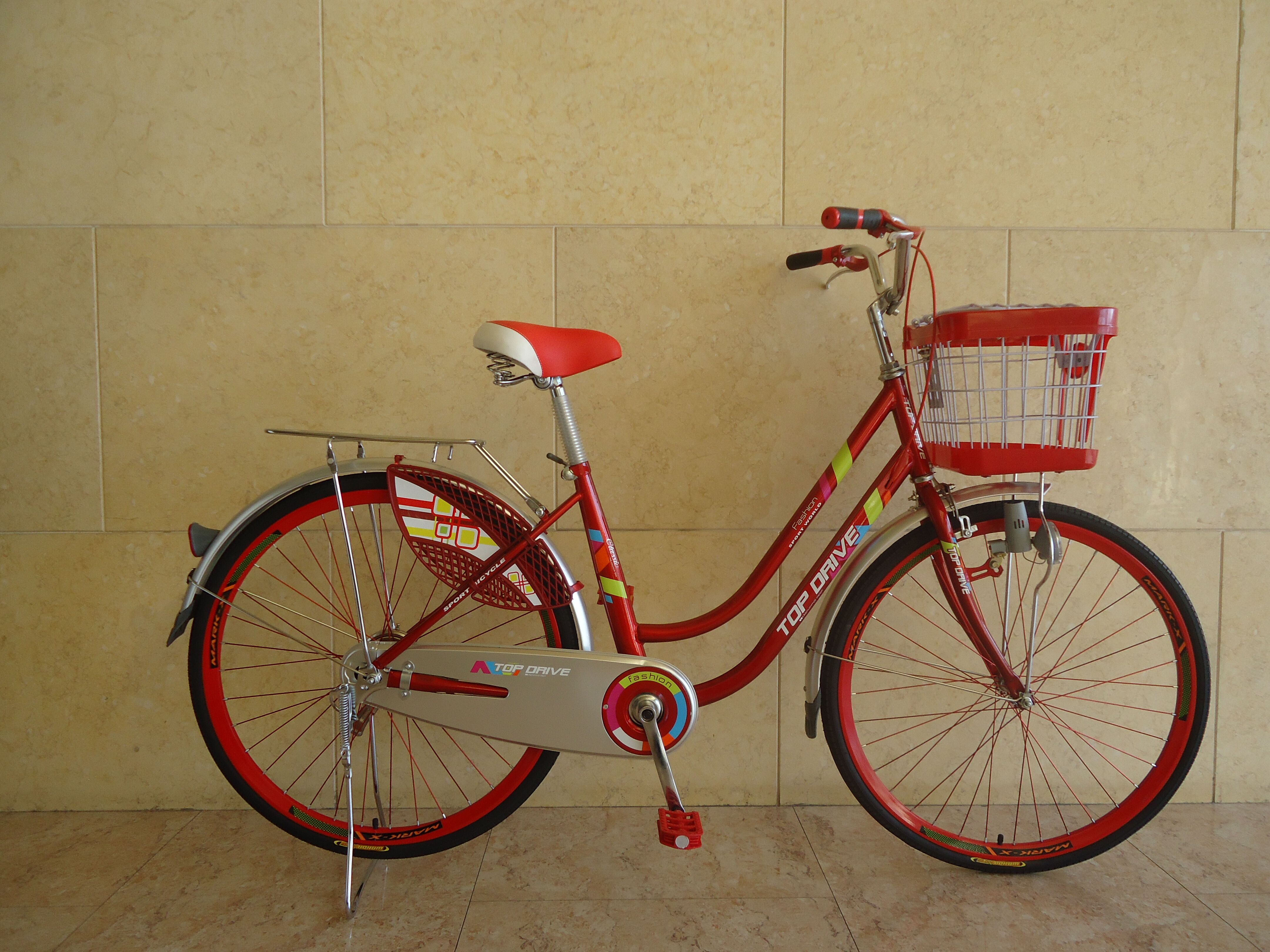
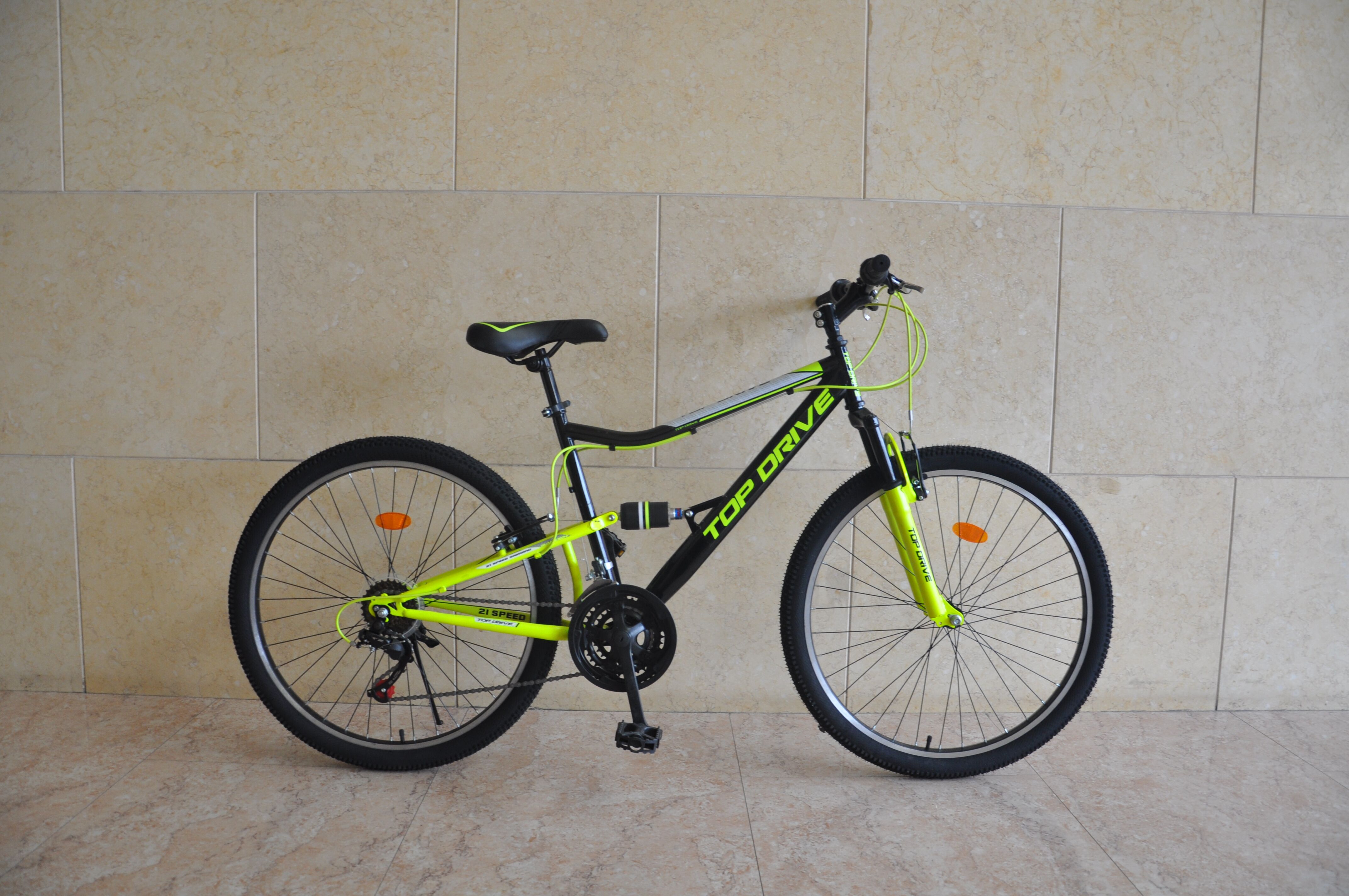
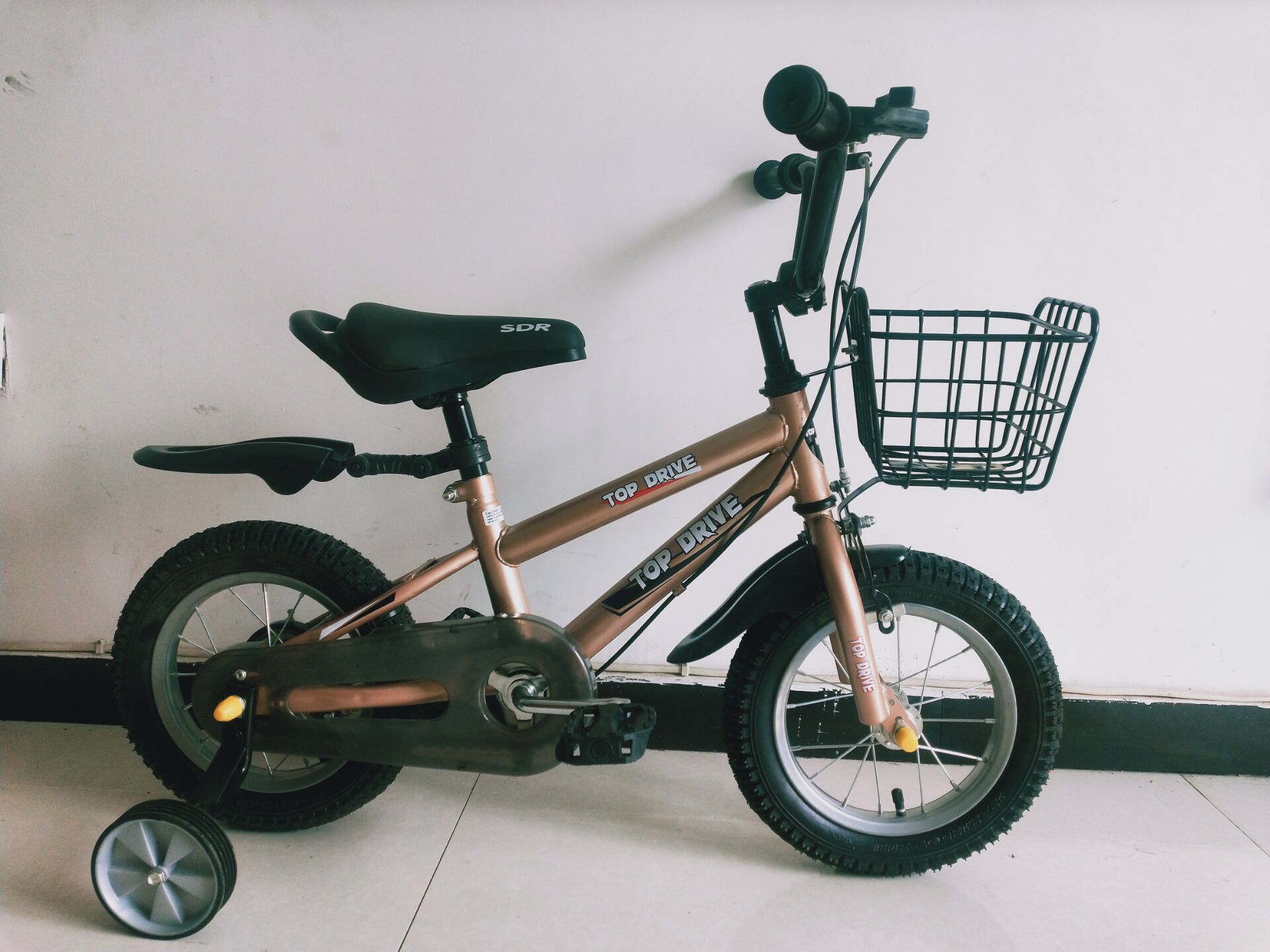
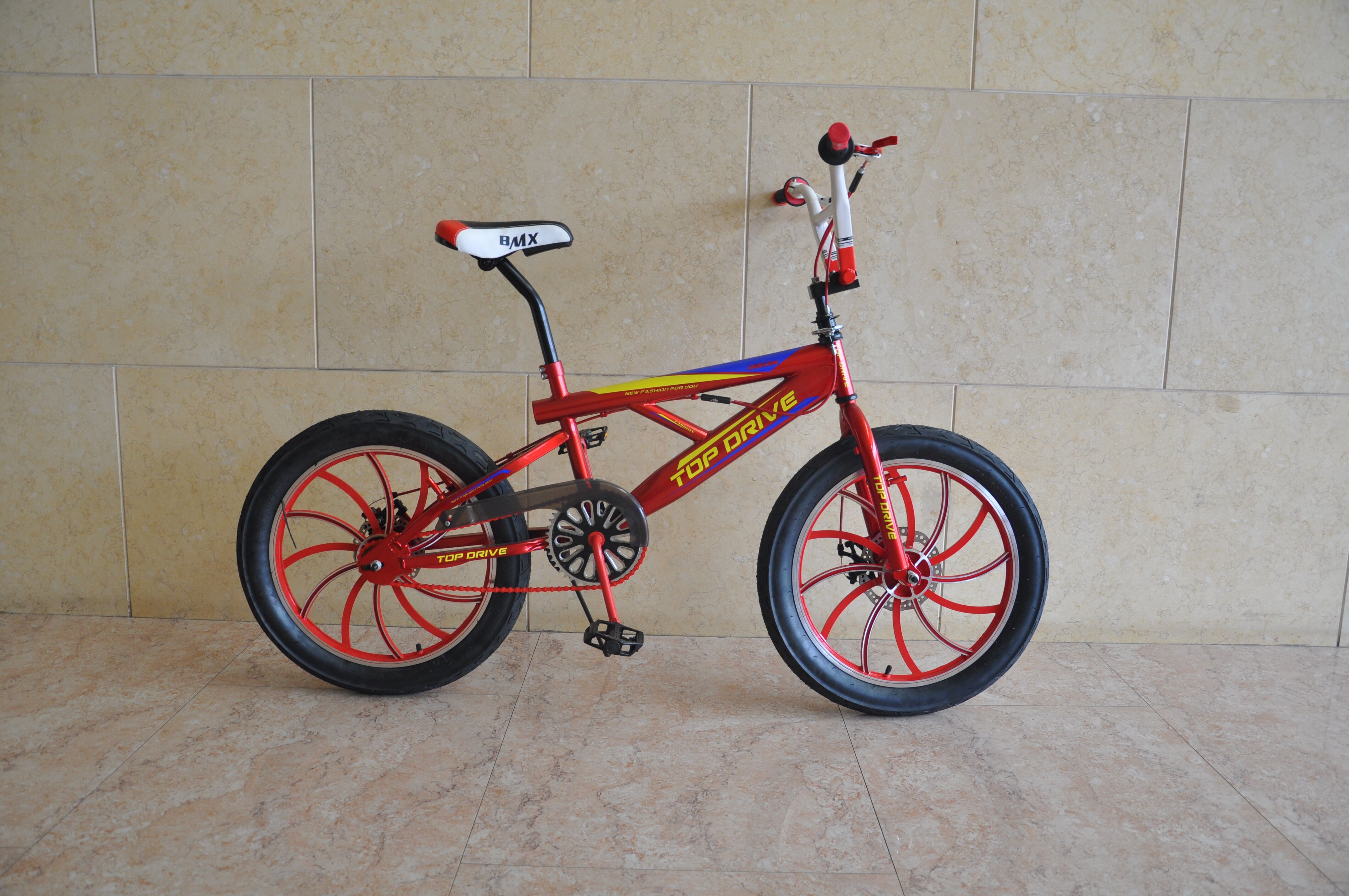
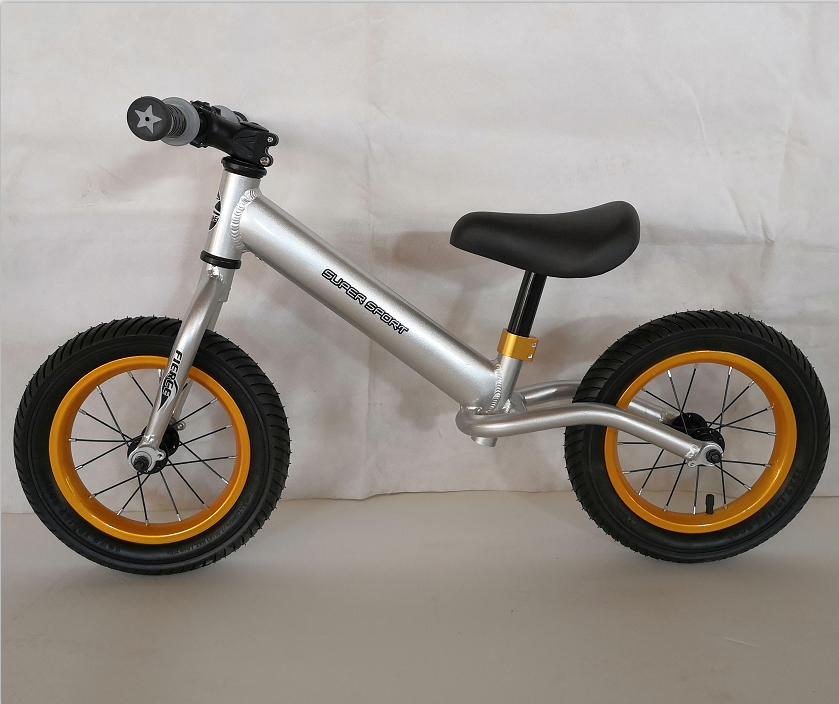
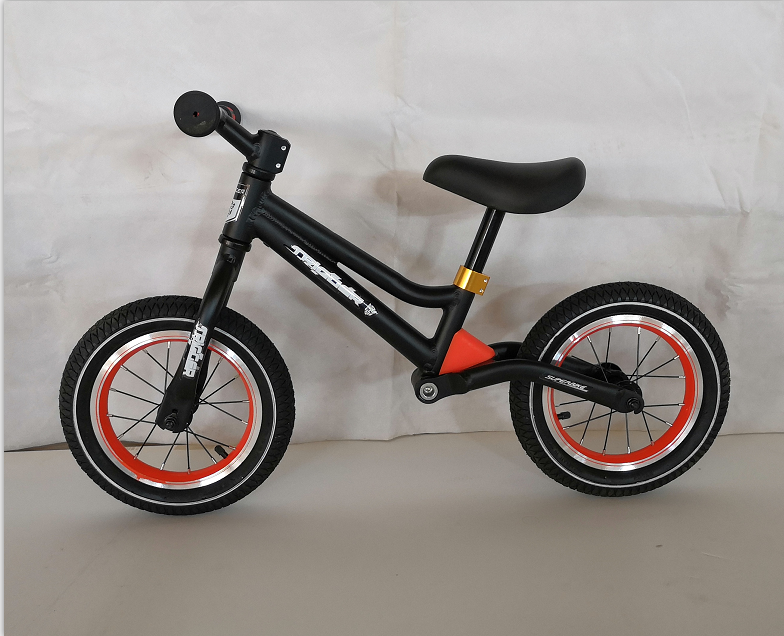
Other Cycles not Motorized
Source high-quality Other Cycles not Motorized from vetted suppliers and manufacturers. Designed for importers, wholesalers, and brands seeking reliable OEM and private-label production, this category covers specialized non-motorized cycles built to exact specifications for bulk B2B procurement.
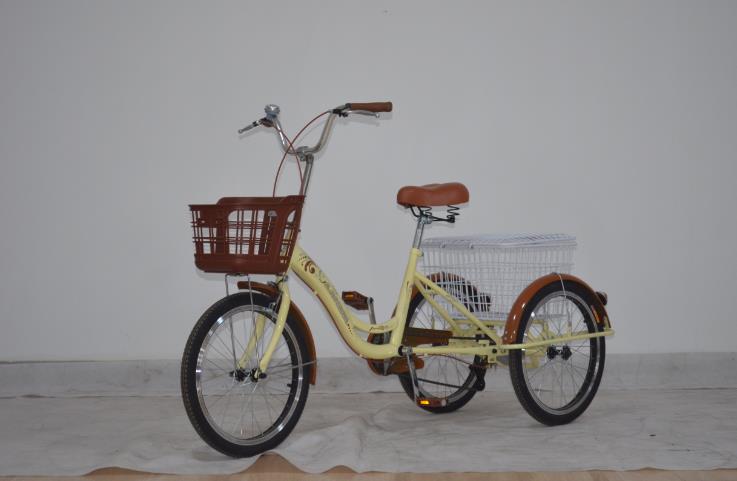
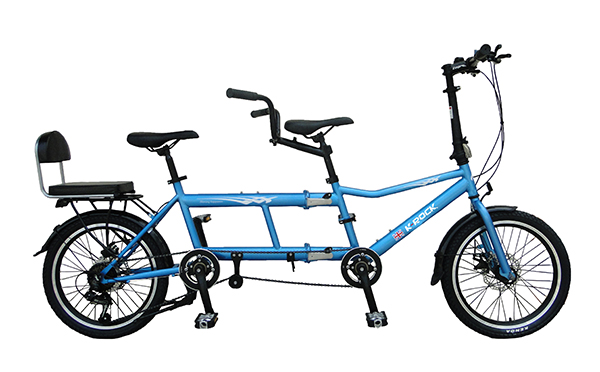
Sourcing specialty non-motorized cycles—such as adult tricycles, heavy-duty cargo cycles, pedicabs, and tandems—presents distinct engineering and manufacturing challenges compared to standard two-wheel bicycles. Because these vehicles often feature multi-track dynamics, increased payload requirements, and complex drivetrains, factory vetting must go beyond basic assembly capabilities. Success in this category requires strict oversight of frame geometry, component compatibility, and highly optimized packaging to control freight costs.
Structural Engineering and Drivetrain Specifications
Specialty cycles endure unique stress profiles. Multi-track vehicles (like tricycles and quadracycles) do not lean into turns, meaning lateral forces are transferred directly to the wheels, axles, and frame. Specifying the correct materials and drivetrain components is critical for product longevity and safety.
| Specification | Hi-Ten Steel | 6061 Aluminum Alloy |
|---|---|---|
| Yield Strength | Moderate; prone to flex under heavy load | High; excellent stiffness to weight ratio |
| Corrosion Resistance | Low; requires thorough anti-rust treatment | High; naturally resists oxidation |
| Vibration Damping | Excellent; provides a smoother ride | Stiff; transfers more road vibration |
| Best Application | Cost-sensitive pedicabs, heavy cargo trikes | Premium adult tricycles, performance tandems |
For multi-track cycles, the rear axle assembly is the most frequent point of failure. Single-wheel drive systems are cheaper but cause the cycle to pull to one side during acceleration. High-quality builds utilize a rear differential, allowing the outside wheel to spin faster than the inside wheel during turns, drastically improving handling and reducing tire wear.
Struggling to find a factory with proven engineering experience in specialized multi-track cycles?
Talk to our teamManufacturing Tolerances and Quality Control
The manufacturing of non-standard cycles requires specialized jigs and fixtures. A factory accustomed to standard diamond frames may lack the tooling necessary to accurately weld a tricycle rear subframe. Misalignment of even a few millimeters in a multi-track frame will result in severe tire scrub, drivetrain binding, and premature bearing failure.
Conducting thorough Factory Audits prior to placing an order is essential to verify that the supplier possesses the correct alignment tables and testing equipment for specialized geometries.
Critical Inspection Points for Specialty Cycles
- Frame Alignment: Check rear axle parallelism and camber angles on multi-track frames.
- Weld Penetration: Inspect TIG/MIG welds at high-stress junctions (e.g., bottom bracket to rear subframe).
- Brake Synchronization: Ensure dual mechanical disc brakes or drum brakes engage simultaneously.
- Spoke Tension: Verify higher tension and thicker gauge spokes (e.g., 12G or 13G) on lateral-load bearing wheels.
- Surface Treatment: Confirm phosphating and ED (Electrophoretic Deposition) coating prior to powder coat.
Implementing rigorous Quality Control & Inspection during the pre-shipment phase prevents misaligned frames and missing proprietary components from leaving the factory floor.
Customization and Private Labeling
Many buyers in this space require modifications to suit specific commercial applications, such as reinforced cargo baskets, custom branding, or modified gear ratios for hilly terrain. Engaging a supplier for OEM/ODM Services allows you to dictate these specifications. Ensure that any changes to the cycle's payload capacity are matched with appropriate upgrades to the braking system—shifting from coaster brakes to dual hydraulic disc brakes is often necessary for commercial cargo applications.
MOQs, Lead Times, and Freight Optimization
The most significant hurdle in sourcing bulky non-motorized cycles is logistics. Tricycles and cargo bikes contain massive amounts of "dead air" when fully assembled.
Buyers must carefully calculate the tradeoff between factory assembly costs and freight costs.
Packing Methods: SKD vs. CKD
Advantages
- SKD (Semi-Knocked Down): Faster assembly at destination; requires less technical skill from the end-user or dealer.
- CKD (Completely Knocked Down): Maximizes container space; drastically reduces per-unit freight costs.
Disadvantages
- SKD: Takes up significant container volume; highly susceptible to transit damage if carton is not reinforced.
- CKD: Requires professional assembly upon arrival; higher risk of missing small hardware components.
Optimizing your container load plan is critical to maintaining margins. Partnering with experts in Shipping & Freight can help you determine the exact packing configuration needed to maximize a 40HQ container without risking transit damage.
Need help optimizing your packing strategy and freight routes to reduce landed costs?
Get a free consultationFrequently Asked Questions
Sourcing specialty non-motorized cycles requires a delicate balance between structural engineering, component specification, and freight optimization. By focusing on factory alignment capabilities and aggressive container space management, buyers can secure reliable, high-margin products that stand up to rigorous use.
Get Sourcing Help for Other Cycles not Motorized
Tell us your requirements and our experts will connect you with verified manufacturers.