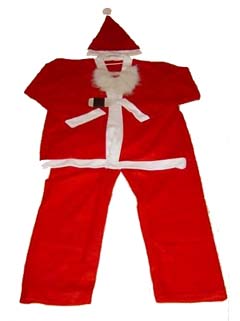
Other Costumes
Source bulk and custom Other Costumes from vetted manufacturers and suppliers. Designed for importers, wholesalers, distributors, and brands looking for OEM/private-label production, our network delivers specialized theatrical, promotional, and niche costumes built to exact specifications and international compliance standards.
Sourcing non-standard or highly specialized costumes—such as promotional mascots, inflatable event wear, or avant-garde theatrical garments—requires moving beyond basic apparel manufacturing. Unlike standard garments, these products often demand structural engineering, specialized material sourcing, and strict adherence to safety and flammability compliance. Securing a reliable supply chain means vetting factories not just for their sewing capabilities, but for their expertise in foam molding, electronic integration, and structural pattern making.
Core Material Specifications
When developing custom or niche costumes, the bill of materials (BOM) dictates both the durability and the unit cost. Professional buyers must specify exact material grades rather than relying on generic factory descriptions.
Foam and Structural Materials
For mascot and structural costumes, the core material determines the weight, breathability, and lifespan of the product.
| Material Type | Typical Application | Key Characteristics |
|---|---|---|
| EVA Foam (Ethylene-Vinyl Acetate) | Mascot heads, rigid structural elements | Highly durable, waterproof, holds complex molded shapes, heavier. |
| EPE Foam (Expanded Polyethylene) | Body padding, flexible structural supports | Lightweight, excellent shock absorption, lower cost, less rigid than EVA. |
| Polyurethane (PU) Foam | Soft padding, muscle suits | Highly flexible, breathable, degrades faster under heavy UV/moisture exposure. |
Inflatable Costume Textiles
For inflatable designs, air retention is the critical metric. Factories typically utilize high-density polyester (e.g., 190T to 210T) coated with PVC or PU to ensure the fabric remains airtight. Buyers must specify the coating thickness and require tear-resistance testing, as seam blowouts are the most common failure point in this category.
Navigating complex material specs and structural designs for custom costumes? Let us align your requirements with the right specialized factory.
Talk to our teamManufacturing Tolerances and Quality Control
Producing specialized costumes introduces variables rarely seen in standard apparel. Factories must manage structural integrity, ergonomic safety, and sometimes even low-voltage electronics (such as internal cooling fans or LED arrays). Implementing rigorous Quality Control & Inspection protocols during the inline production phase is critical.
Critical Inspection Points for Specialized Costumes
- Seam Integrity: Double-stitched or heat-welded seams for inflatables to prevent air leakage.
- Ventilation & Vision: Precise placement of mesh vision panels and optimal airflow for wearer safety in enclosed suits.
- Electronic Integration: Secure, insulated mounting for battery packs and 5V/12V cooling fans.
- Symmetry and Molding: Verification that molded EVA/EPE components match the approved master prototype without warping.
- Color Fastness: Testing plush and outer fabrics for color bleeding, especially crucial for mixed-color promotional branding.
Safety and Compliance Standards
Costumes face intense regulatory scrutiny, primarily concerning flammability and chemical safety. A factory's inability to provide compliant materials can result in seized shipments or severe liability. It is highly recommended to utilize independent Compliance & Testing services rather than relying solely on factory-provided certificates.
- Flammability: Costumes must pass strict flammability tests, such as 16 CFR Part 1610 in the US or EN71-2 in the EU. Plush fabrics and synthetic foams are highly combustible and often require specialized flame-retardant treatments.
- Chemical Restrictions: Materials must comply with REACH (EU) or CPSIA (US, if applicable to the target demographic), ensuring they are free from restricted azo dyes, heavy metals, and phthalates (especially in PVC coatings).
Sourcing Mechanics: MOQs, Pricing, and Lead Times
The production economics for specialized costumes differ significantly from standard cut-and-sew apparel. Because these items often require custom molds, specific fabric runs, and specialized assembly lines, understanding the baseline metrics helps in negotiating terms.
If your procurement strategy involves heavy customization, leveraging comprehensive OEM/ODM Services ensures that prototypes translate accurately into mass production. Furthermore, conducting thorough Factory Audits before committing to tooling costs is essential to verify that the supplier actually owns the specialized equipment required, rather than subcontracting the complex components.
Need to lock in reliable pricing and vet specialized costume manufacturers for your next high-volume order? Connect with our sourcing experts.
Get a free consultationFrequently Asked Questions
Successfully sourcing specialized and non-standard costumes requires bridging the gap between imaginative design and rigid manufacturing realities. By defining exact material specifications, mandating strict flammability compliance, and auditing factories for structural expertise, buyers can mitigate the high risks associated with this complex product category. If you need dedicated support managing this process, our team is ready to help you execute a flawless production run.
Get Sourcing Help for Other Costumes
Tell us your requirements and our experts will connect you with verified manufacturers.