Other Copper
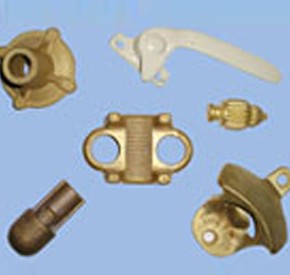
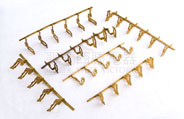
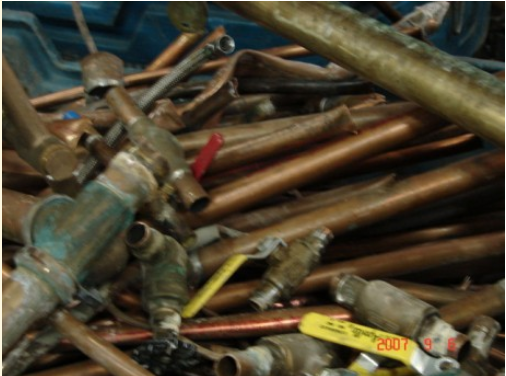
Source specialized and custom Other Copper from vetted suppliers and manufacturers across Asia. Designed for industrial importers, wholesale distributors, and procurement managers, our network provides bulk pricing and reliable OEM production for niche copper alloys, powders, and custom-tooled components.
Sourcing non-standard copper materials—whether specialized alloy blends, copper powders, industrial granules, or custom-tooled components—requires strict oversight of both metallurgy and fabrication. When standard commercial rods, sheets, or tubes do not fit your application, you must rely on specialized foundries and fabricators capable of meeting exacting electrical, thermal, and mechanical tolerances.
Achieving consistent quality in specialized copper requires moving beyond basic supplier trading companies and working directly with vetted manufacturers that possess the right extrusion presses, atomization equipment (for powders), and in-house metallurgical testing.
Defining Specifications for Specialized Copper
Because "other copper" covers a broad spectrum of non-standard forms, your technical data pack must be exhaustive. Vague specifications lead to material substitution, which can drastically reduce electrical conductivity or thermal performance.
Critical Specifications to Define
- Material Grade & Purity: Specify the exact grade (e.g., C10100 Oxygen-Free Electronic, C11000 Electrolytic Tough Pitch) and maximum allowable impurities (e.g., oxygen under 5 ppm).
- Electrical Conductivity: State the required minimum % IACS (International Annealed Copper Standard) for electrical applications.
- Physical Form Metrics: For powders, specify particle size distribution (mesh size) and apparent density. For custom profiles, specify exact dimensional tolerances and corner radii.
- Temper / Hardness: Define the required state (e.g., O60 soft anneal, H04 hard) to ensure the material performs correctly during secondary machining or forming.
Mill Test Certificates (MTCs)
Never rely solely on a factory-issued MTC for high-stakes applications. Factory-level spectrometers can be poorly calibrated. Always mandate independent third-party Compliance & Testing for chemical composition and mechanical properties before mass production begins.
Navigating specialized copper foundries requires on-the-ground technical vetting. Let us match your exact material specifications with a verified manufacturer.
Talk to our teamManufacturing Controls and Common Defects
The production of custom copper profiles, forgings, or specialized powders introduces distinct manufacturing risks. Quality is typically won or lost in the temperature control during extrusion or the environmental controls during cooling.
When producing custom extruded profiles, uneven cooling can lead to dimensional warping or internal stress fractures. For oxygen-free copper components, any exposure to oxygen while the metal is in a heated state will cause embrittlement and reduce conductivity.
To mitigate these risks, implement strict Quality Control & Inspection protocols. In-line inspections should verify dimensional tolerances using profile projectors, while pre-shipment inspections must include electrical conductivity testing (using eddy current testers) and visual checks for surface oxidation, pitting, or extrusion die marks. If you are developing proprietary components, utilizing professional OEM/ODM Services ensures your custom tooling is maintained properly and your intellectual property is protected at the factory level.
Pricing Structures, MOQs, and Lead Times
Copper pricing is highly transparent but subject to daily volatility. Unlike finished consumer goods, bulk copper pricing is calculated using a specific formula: LME Copper Spot Price + Conversion (Fabrication) Premium + Tooling/Packaging Costs.
The LME (London Metal Exchange) price fluctuates daily. Your negotiation power lies entirely in reducing the conversion premium—the factory's charge for melting, alloying, and shaping the metal.
If your order requires custom extrusion dies or forging molds, expect a tooling lead time of 15 to 25 days before first-article samples are available. Tooling costs are usually amortized or refunded after a specific volume threshold is met.
Locking in favorable fabrication premiums and managing LME price fluctuations is complex. Speak to our team to streamline your bulk copper procurement.
Get a free consultationFrequently Asked Questions
Sourcing specialized copper materials demands precision at every stage, from locking in the LME rate to verifying the final metallurgical properties. By partnering with vetted foundries and implementing rigorous testing, you can secure the high-performance materials your supply chain requires without the risk of costly defects.
Get Sourcing Help for Other Copper
Tell us your requirements and our experts will connect you with verified manufacturers.