Other Computer Parts
Source high-quality Other Computer Parts from vetted manufacturers and suppliers in Asia. Designed for importers, wholesalers, distributors, and OEM brands buying in bulk, this category covers the essential ancillary hardware and custom components required for complete system builds, integration, and retail distribution.
Sourcing ancillary computer hardware presents a unique procurement challenge. Unlike primary components with standardized global supply chains, the secondary hardware required for system integration—ranging from internal mounting brackets and specialized fan hubs to thermal interfaces and custom internal cabling—is highly fragmented. Securing consistent quality across these diverse materials requires rigorous supplier vetting and a deep understanding of manufacturing tolerances.
Material Specifications and Manufacturing Tolerances
When procuring secondary computer components, the primary cost and quality drivers are the raw materials and the precision of the tooling used. A supplier's capability is often dictated by their core manufacturing process, whether that is metal stamping, plastic injection molding, or electronic assembly.
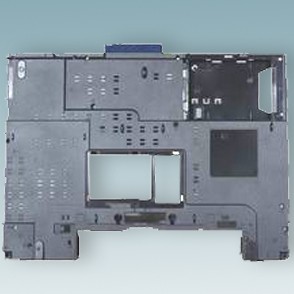
- Metals and Stamping: For brackets, chassis adapters, and mounting hardware, Cold Rolled Steel (SPCC) and Aluminum are standard. Specify the exact thickness (e.g., 0.8mm to 1.2mm) and the surface treatment (powder coating vs. anodizing). Poorly calibrated stamping dies lead to burrs, which can damage internal wiring or injure assemblers.
- Plastics and Injection Molding: Internal structural components require high heat resistance. ABS blended with Polycarbonate (PC) is typical. If sourcing parts installed near high-thermal zones, ensure the supplier uses UL94 V-0 rated flame-retardant plastics.
- Electrical and Thermal Interfaces: For internal hubs or custom cables, copper purity and wire gauge (AWG) are non-negotiable. Thermal pastes and pads must have verified thermal conductivity ratings (W/m·K) and stable viscosity over time to prevent pump-out effects.
| Component Category | Primary Material | Critical Specification to Verify |
|---|---|---|
| Mounting & Structural | SPCC, Aluminum, SECC | Material thickness, dimensional tolerance (±0.1mm) |
| Internal Plastics | ABS, PC-ABS blend | UL94 flame rating, heat deflection temperature |
| Thermal Interfaces | Silicone-based compounds | Thermal conductivity (W/m·K), viscosity |
| Connectivity & Hubs | Copper (cabling), FR4 (PCBs) | AWG rating, solder joint integrity |
Managing multiple specialized factories for ancillary parts is complex. Let us help you identify and audit capable manufacturers for your specific hardware needs.
Discuss your component requirementsQuality Control and Compliance
Defects in ancillary parts often go unnoticed until final system assembly, where a misaligned bracket or a faulty internal cable can halt an entire production line. Implementing strict Quality Control & Inspection protocols at the factory level is essential.
Because these parts integrate into larger electronic systems, regulatory compliance cannot be overlooked, even for non-powered components.
Essential QC Checks for Ancillary Computer Parts
- Dimensional accuracy: Verify against CAD files using digital calipers or CMM for complex geometries.
- Surface finish: Inspect for burrs, sharp edges, or uneven powder coating that could cause shorts or assembly issues.
- RoHS and REACH compliance: Ensure all plastics, metals, and solder used in hubs or cables are free of restricted heavy metals.
- Electrical continuity: For any internal cables or fan hubs, test for pin-to-pin continuity and correct voltage delivery.
- Thermal stability: Batch test thermal pads or pastes for consistency and separation.
Managing Supply Chain Fragmentation
The greatest risk when sourcing miscellaneous computer parts is supply chain fragmentation. A factory that excels at stamping metal brackets will not produce thermal paste, and the supplier offering internal USB headers is likely outsourcing their plastic housings.
Buyers often default to trading companies to consolidate these purchases. While convenient, this obscures the actual manufacturer, leading to inconsistent quality between batches and inflated costs. A more resilient strategy involves direct Product Sourcing to identify the true manufacturers for each component type, followed by strategic consolidation at a local warehouse before export.
Before committing to a high-volume run, especially for parts requiring custom tooling, conducting thorough Factory Audits is crucial to verify that the supplier has the actual machinery on-site and isn't simply subcontracting your order to a lower-tier workshop.
Pricing, MOQs, and Production Lead Times
Because ancillary computer parts generally have low per-unit costs, production economics rely heavily on volume. Minimum Order Quantities (MOQs) and lead times vary significantly based on whether you are buying off-the-shelf designs or investing in custom tooling.
Tooling costs for custom plastic injection molds or metal stamping dies must be factored into your initial landed cost calculations. Molds for small plastic components can range from a few hundred to several thousand dollars depending on the number of cavities and the steel hardness (e.g., P20 vs. H13).
Struggling with high MOQs or inconsistent quality across multiple component suppliers? Speak to our sourcing experts about consolidating your supply chain.
Get a sourcing assessmentBuyer FAQ
Successfully procuring ancillary computer parts requires balancing the low per-unit cost with the high cost of potential assembly failures. By focusing on material specifications, investing in direct factory relationships, and executing strict pre-shipment quality control, buyers can build a reliable, cost-effective supply chain for every component in the system.
Get Sourcing Help for Other Computer Parts
Tell us your requirements and our experts will connect you with verified manufacturers.