Other Clothes Dryers
Source Other Clothes Dryers in bulk directly from vetted manufacturers and suppliers. This category serves importers, wholesalers, and appliance brands seeking OEM and private-label production for specialized drying solutions. Find reliable factory partners for niche laundry appliances at competitive wholesale prices.
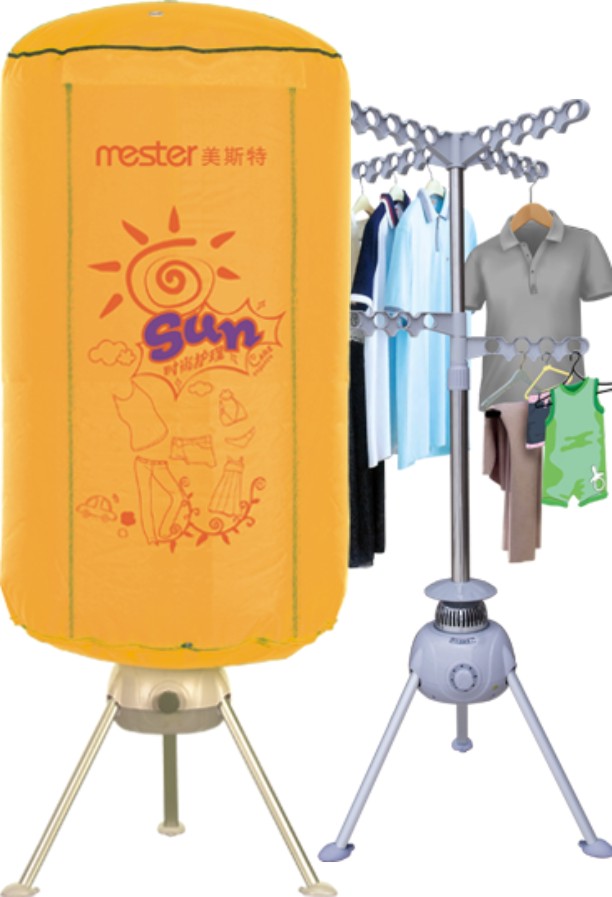
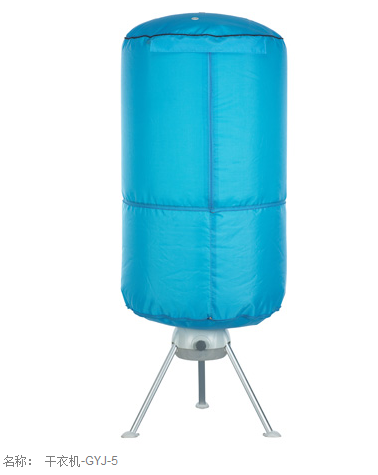
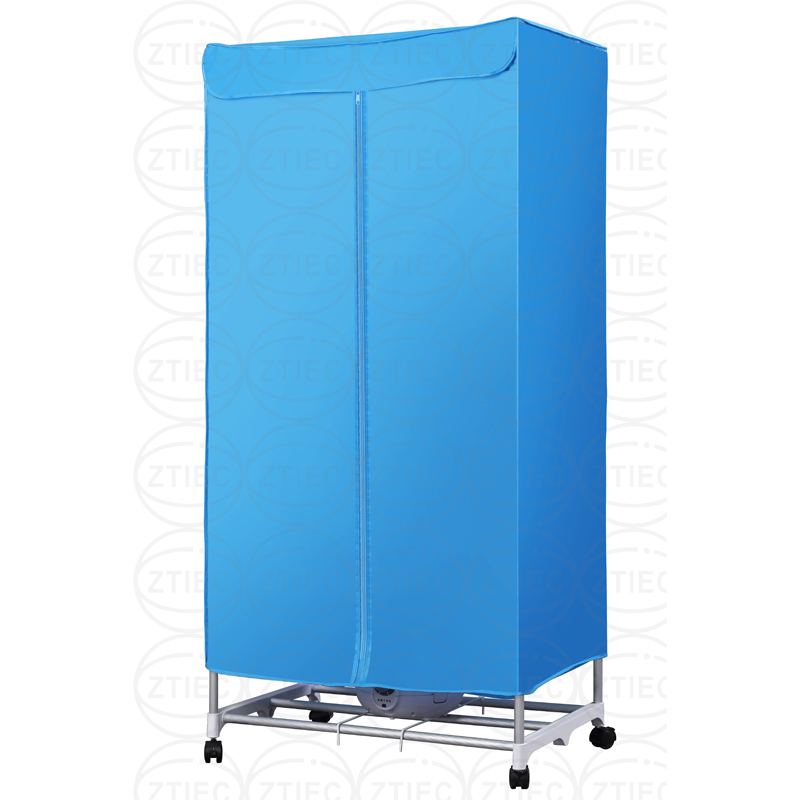
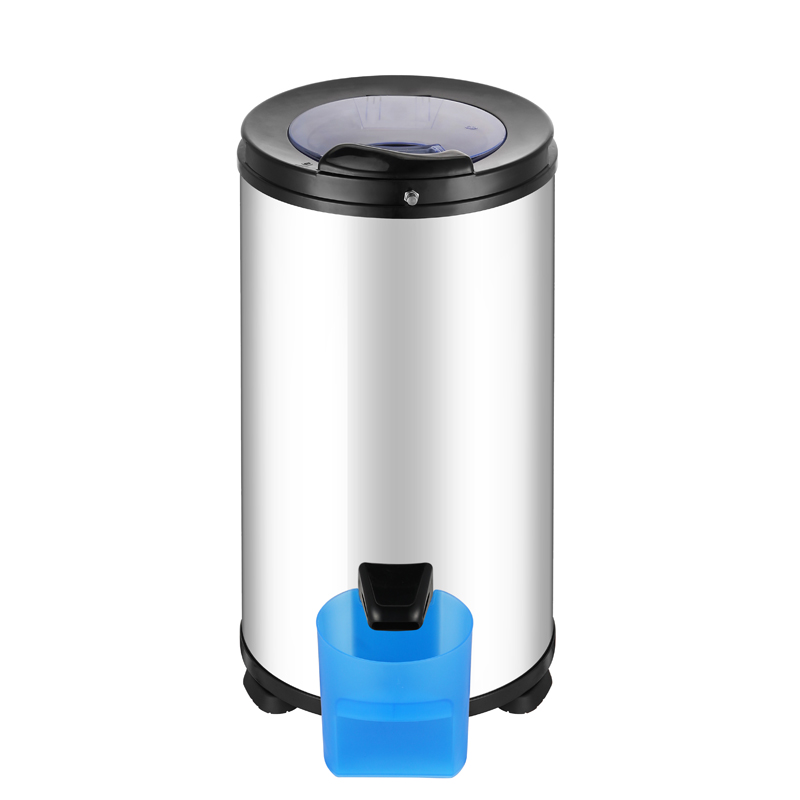
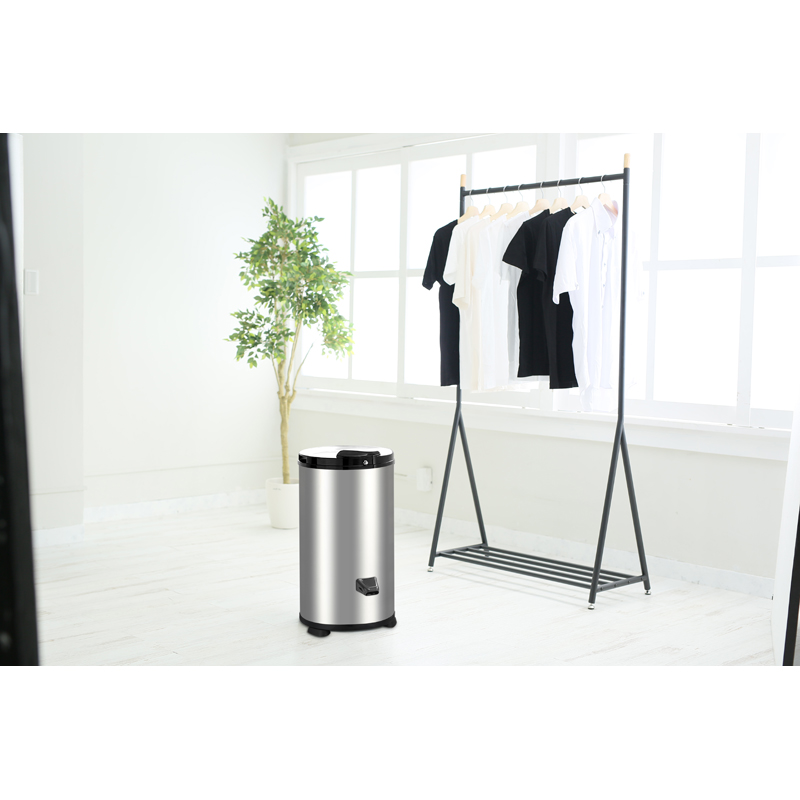
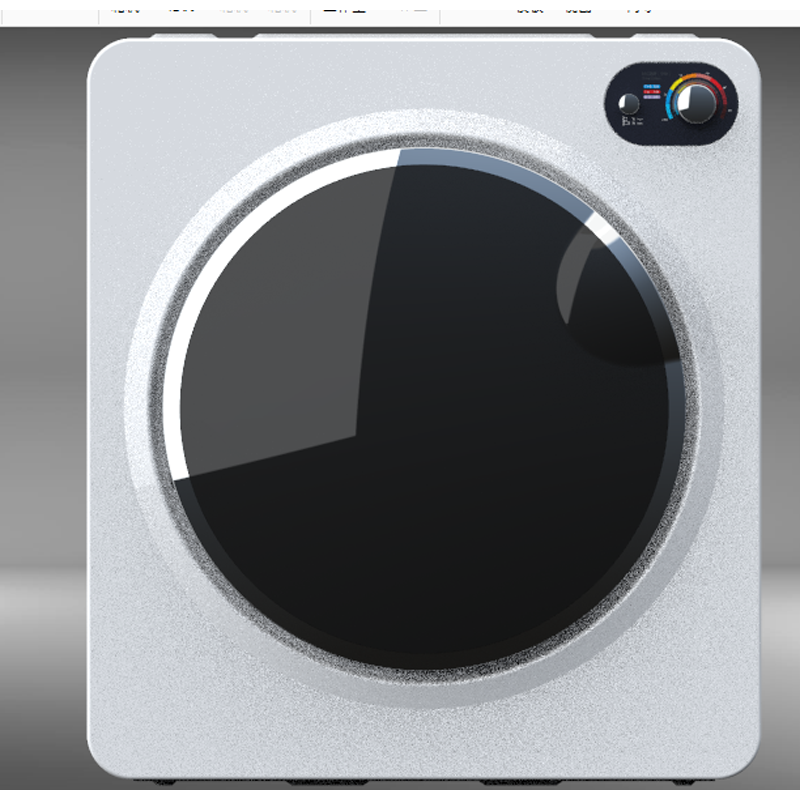
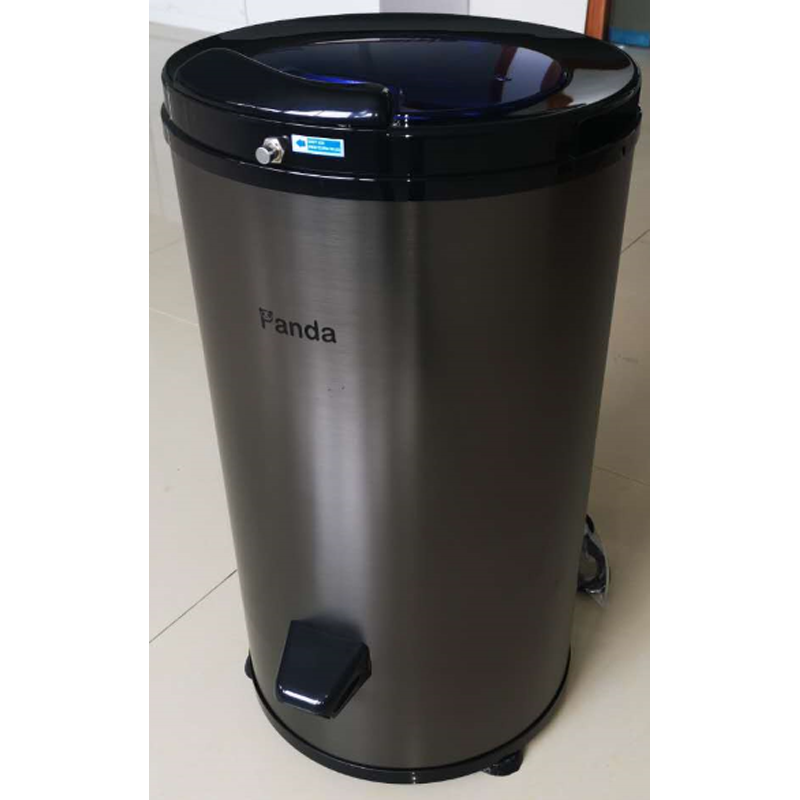
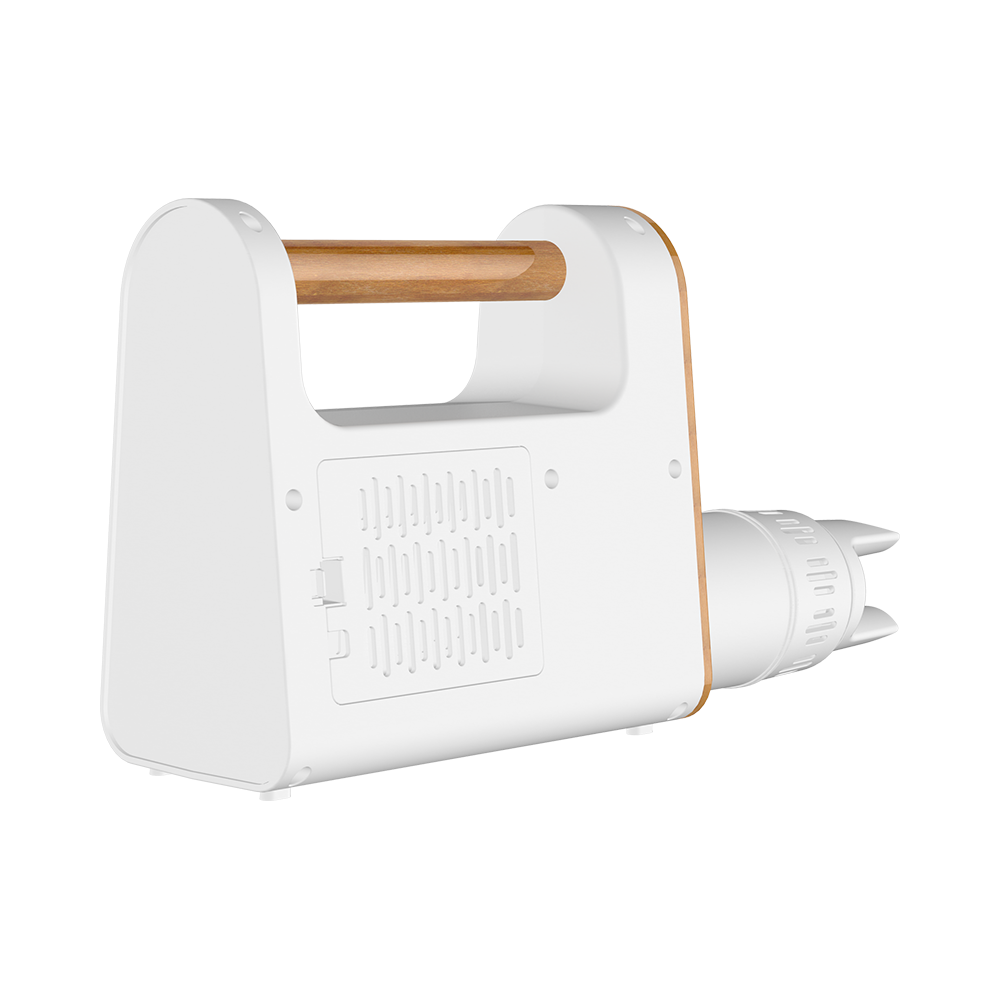
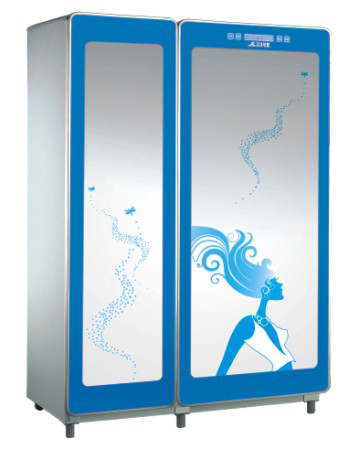
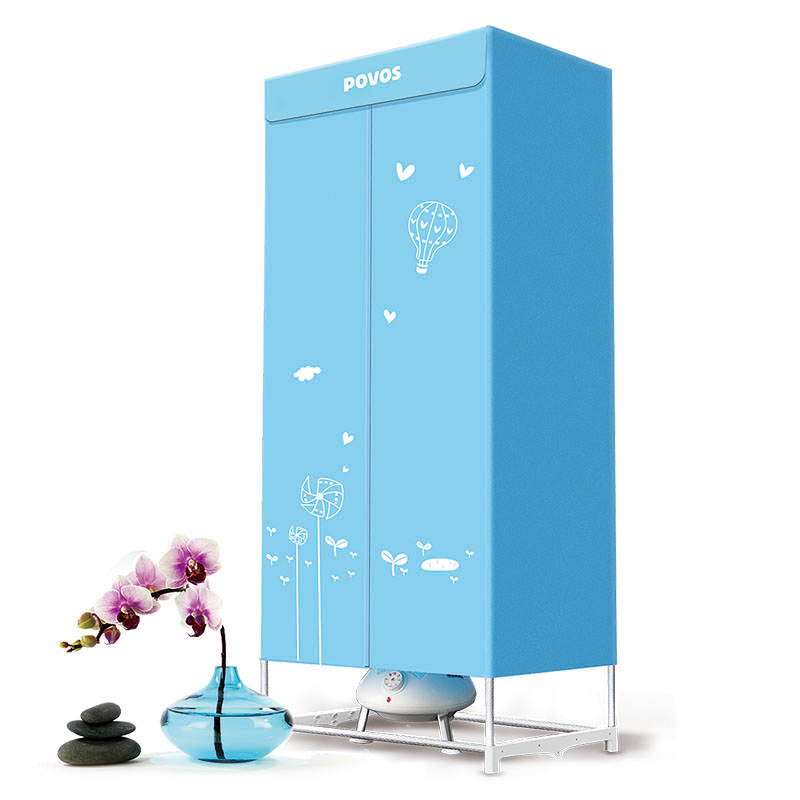
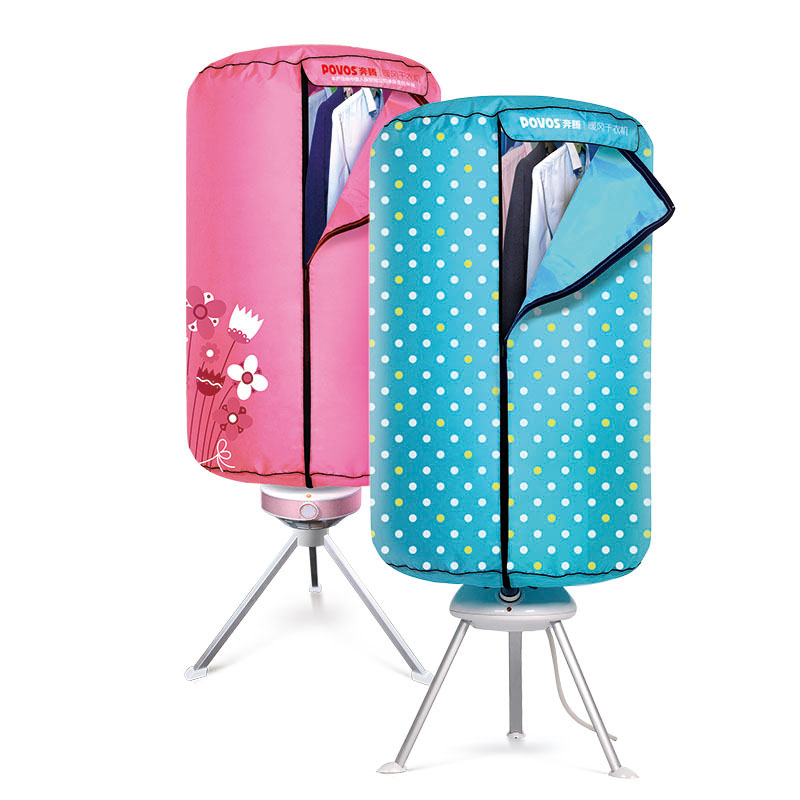
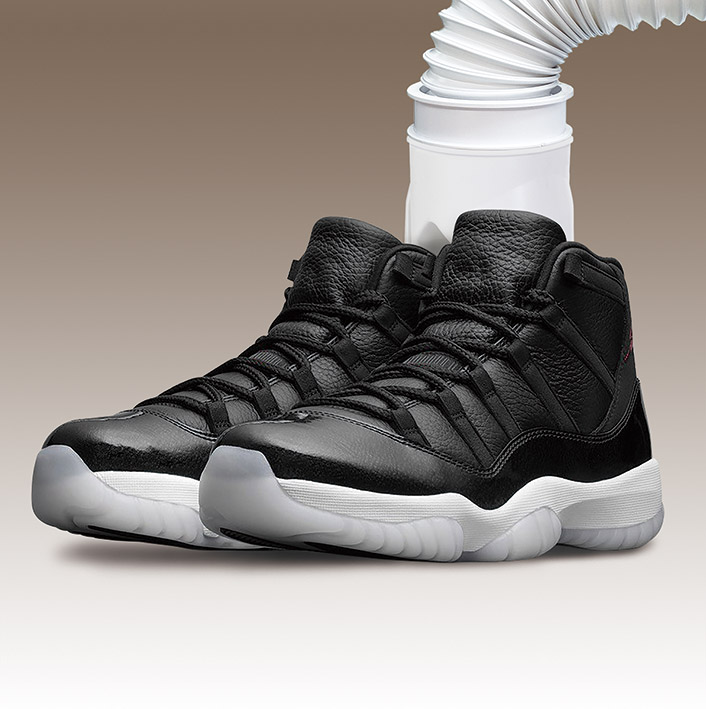
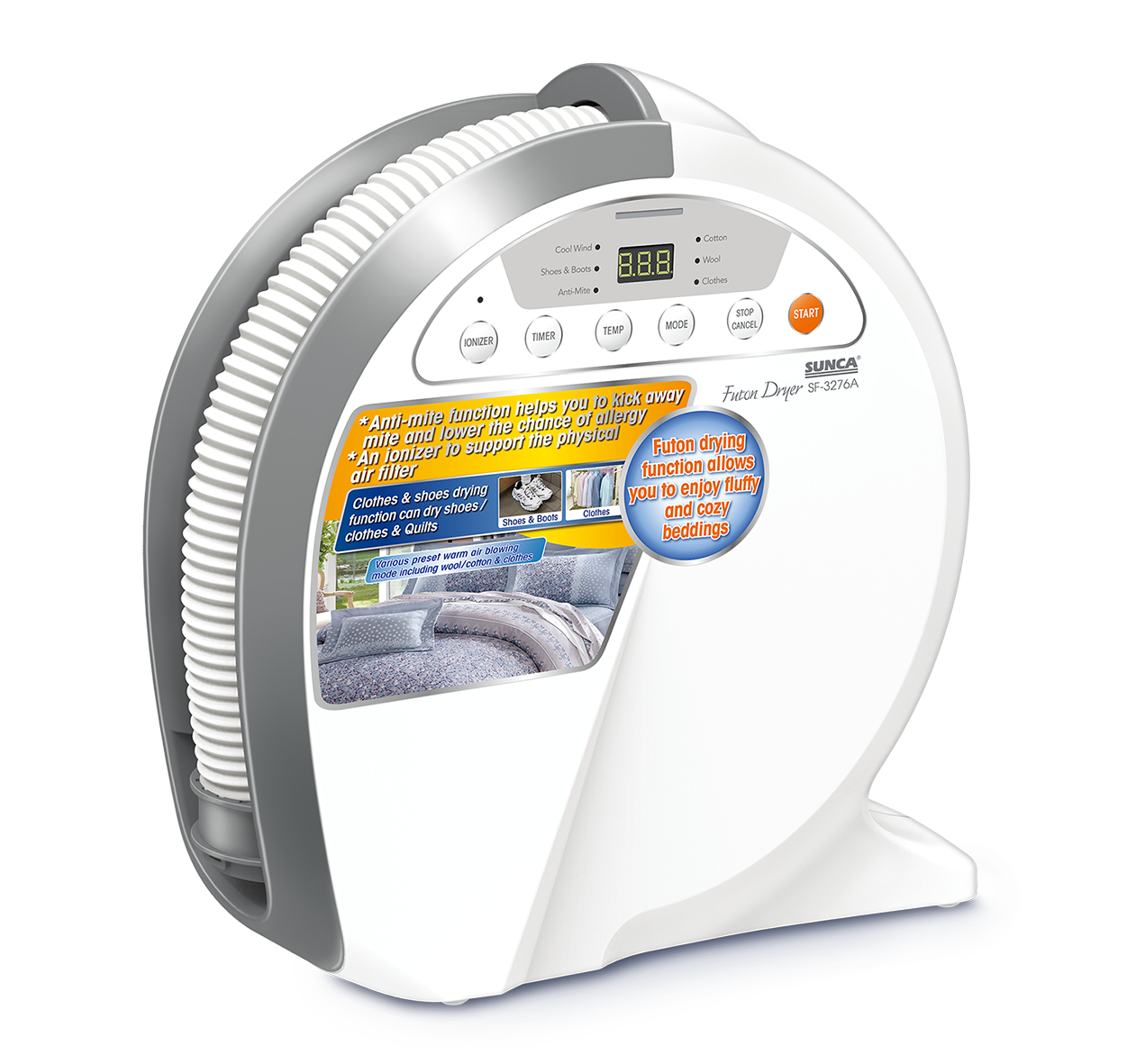
Sourcing non-standard clothes dryers—such as portable folding units, wall-mounted mini dryers, drying cabinets, and rapid spin extractors—presents unique challenges compared to traditional tumble dryers. Because these units utilize specialized form factors and varying heating technologies to serve niche consumer needs, buyers must rigorously validate thermal safety, motor reliability, and market-specific electrical compliance before committing to high-volume production.
Key Specifications for Niche Drying Appliances
When developing or sourcing alternative clothes dryers, the technical specifications dictate both the manufacturing cost and the product's lifespan. These appliances often prioritize space-saving designs or rapid drying over massive capacity, meaning internal component selection is critical.
Heating Elements and Airflow Systems
Most compact or portable dryers rely on PTC (Positive Temperature Coefficient) ceramic heating elements rather than traditional nichrome wire coils. PTC heaters are self-regulating, meaning they naturally reduce power consumption as they heat up, offering a safer thermal profile for fabric enclosures or compact plastic housings. You must specify the wattage (typically ranging from 500W to 1500W depending on the unit size) and ensure the blower fan motor is rated for continuous operation at high ambient temperatures.
| Specification Focus | Portable/Folding Dryers | Wall-Mounted Mini Dryers |
|---|---|---|
| Typical Capacity | 1 to 5 kg | 2 to 4 kg |
| Heating Technology | PTC Ceramic | PTC or Standard Coil |
| Housing Material | Fire-retardant ABS & Oxford Cloth | Injection-molded ABS & Steel Drum |
| Target Wattage | 500W to 1000W | 800W to 1500W |
OEM Customization and Tooling
If you are pursuing private-label or custom designs, modifying the external housing or control panel requires specific tooling. Custom injection molds for ABS plastic housings are standard, but altering the internal drum of a wall-mounted unit or the structural frame of a drying cabinet significantly increases tooling costs. Engaging a partner for OEM/ODM Services early in the design phase ensures your modifications are manufacturable without compromising the appliance's thermal dynamics.
Developing a custom drying appliance? Speak with our engineering team to evaluate factory capabilities and tooling costs.
Discuss Your OEM ProjectManufacturing Quality Control and Safety Standards
The primary risk when importing heating appliances is electrical and thermal failure. A poorly calibrated thermostat or a missing thermal fuse can lead to catastrophic product failures and recalls.
Critical Factory-Level Inspections
Relying solely on a final visual check is insufficient for electrical appliances. You need comprehensive Quality Control & Inspection protocols implemented during the assembly process.
Essential In-Line & Pre-Shipment Checks
- Hi-Pot (High Potential) Testing: Verify electrical insulation integrity on 100 percent of units.
- Earth Continuity Testing: Ensure proper grounding for units with metal chassis.
- Thermal Cut-Off (TCO) Verification: Test that safety fuses trip accurately if the primary thermostat fails.
- Drop and Vibration Testing: Critical for portable units to ensure internal wiring does not loosen during transit.
- Run-in Testing: Operate samples at maximum heat for extended cycles to check for plastic deformation or motor overheating.
Navigating Compliance and Certifications
Electrical appliances face strict regulatory barriers. Depending on your target market, you will need specific certifications: UL or ETL for North America, CE (LVD and EMC directives) for Europe, and specific local standards like SAA for Australia. Never assume a factory's existing certifications apply to your customized OEM order. Proper Compliance & Testing must be conducted on your exact production run to ensure the components used match the certified bill of materials.
Pricing Drivers, MOQs, and Lead Times
Understanding the supply chain mechanics for non-standard clothes dryers helps you negotiate better terms and plan your inventory cycles accurately.
Pricing is heavily influenced by the quality of internal components. Upgrading to a brushless DC (BLDC) motor for quieter operation or specifying V0-grade flame-retardant plastics will increase the per-unit cost but drastically reduce warranty claims. When evaluating suppliers, conducting Factory Audits is essential to verify that the manufacturer actually produces the core components (like motors and heating elements) in-house, or if they are merely an assembly workshop relying on third-party parts.
Need to verify a supplier's manufacturing capabilities or negotiate better terms? Let our experts handle the vetting process.
Get a Sourcing AssessmentBuyer FAQ
Sourcing niche clothes dryers requires balancing innovative form factors with strict electrical safety standards. Success depends on selecting manufacturing partners who understand thermal dynamics and maintain rigorous, documented quality control systems on their assembly lines.
Get Sourcing Help for Other Clothes Dryers
Tell us your requirements and our experts will connect you with verified manufacturers.