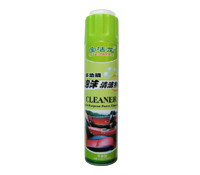
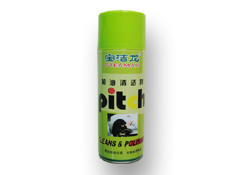
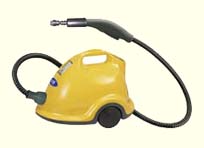
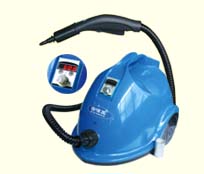
Other Car Cleaning Tools
Source specialized Other Car Cleaning Tools directly from vetted manufacturers and wholesale suppliers. Designed for professional importers, distributors, and auto care brands seeking bulk production, our factory network supports custom OEM/ODM projects, private labeling, and reliable high-volume procurement.
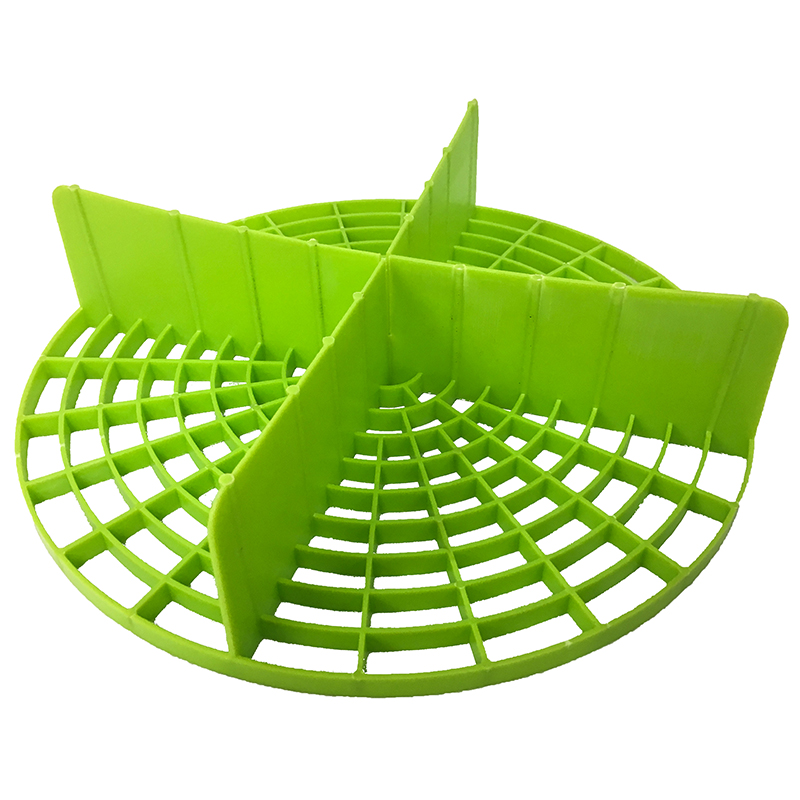
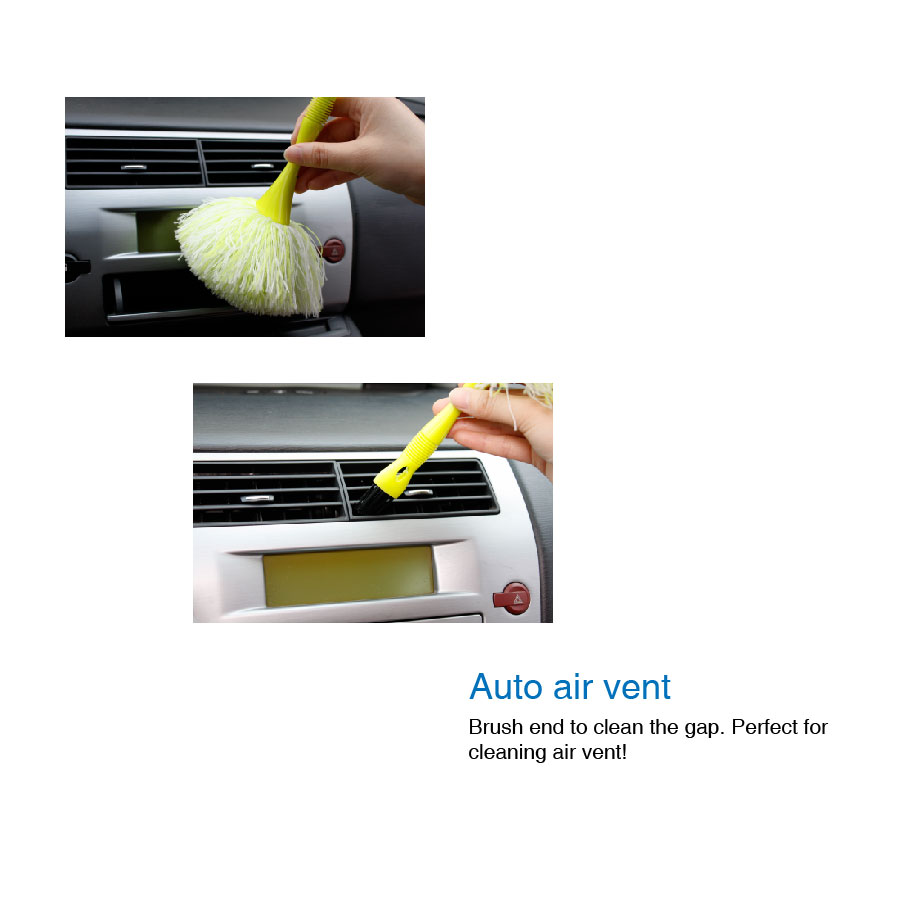
Specialized auto detailing tools—ranging from vent dusters and pet hair removal stones to grit guards, detailing swabs, and water blades—require precise material selection to ensure they perform effectively without damaging clear-coat finishes. For volume buyers, the sourcing challenge lies in finding factories capable of consistent overmolding, accurate shore hardness formulations, and defect-free assembly across diverse product types.
Material Specifications and Manufacturing
The core of any specialized detailing tool is its material composition. Because these tools frequently come into contact with sensitive automotive surfaces and harsh cleaning chemicals (like all-purpose cleaners, iron removers, and degreasers), material degradation and abrasive defects are the primary risks.
Most specialized tools rely on a combination of rigid substrates and soft-touch contact points. Plastic injection molding and silicone extrusion are the dominant manufacturing processes. When specifying your production run, you must define the exact polymer grades and hardness levels.
| Component Type | Common Material | Critical Specification |
|---|---|---|
| Rigid Handles & Frames | ABS or Glass-filled PP | High tensile strength, chemical resistance |
| Soft Edges & Squeegees | Silicone or TPR | Shore A hardness 40 to 60 |
| Sponges & Applicators | EVA or Polyurethane Foam | PPI (Pores Per Inch) density, tear resistance |
| Detailing Swabs | Open-cell Foam over PP core | Thermal bonding strength (no adhesives) |
When developing custom tooling through OEM/ODM Services, pay close attention to the overmolding process. Poor temperature control during the secondary injection phase will lead to weak adhesion between the rigid handle and the soft TPR grip, resulting in peeling after repeated exposure to water and chemicals.
Need help finding a factory with advanced overmolding capabilities? Let's discuss your product specifications.
Talk to our teamQuality Control on the Factory Floor
A minor manufacturing defect in a detailing tool can cause thousands of dollars in paint damage for the end user. Establishing rigorous Quality Control & Inspection protocols before shipment is non-negotiable.
The primary culprit for paint marring is "flash"—excess plastic that escapes the mold cavity along the parting line. If flash is not manually trimmed or prevented through tight mold tolerances, the resulting sharp edge will scratch clear coats.
Critical QC Checks for Detailing Tools
- Parting line inspection: Ensure zero flash on any surface that may contact automotive paint.
- Adhesion testing: Pull-tests on overmolded TPR/ABS joints to verify bonding strength.
- Chemical resistance testing: Soak tests in standard degreasers and APCs to check for material swelling or color bleeding.
- Shore hardness verification: Durometer testing on silicone/TPR blades to ensure they fall within the specified Shore A range.
- Thermal bond integrity: For foam swabs and applicators, verifying that foam heads do not detach under moderate friction.
Customization, Packaging, and Branding
Specialized car cleaning tools are often highly commoditized at the factory level. To stand out, brands rely heavily on custom colorways, private molds, and premium retail packaging.
Factories can easily color-match plastics and silicones to your brand's Pantone specifications, though this typically increases the minimum order quantity per color. For packaging, blister packs, clamshells, and custom die-cut boxes are standard. If you are selling into retail environments, coordinating with specialized Branding & Design partners ensures your packaging not only looks premium but also protects the softer components (like silicone blades) from deformation during transit.
Typical Pricing, MOQ, and Lead Times
Production costs and minimums vary based on the level of customization. Off-the-shelf "white label" designs require lower commitments, while custom injection molds demand higher volumes to justify the setup phase.
Note: Tooling costs for new injection molds typically range from $1,500 to $4,000 depending on cavity count and mold complexity. Silicone extrusion dies are generally cheaper, often under $1,000.
Planning a custom production run? We can negotiate tooling terms and MOQs with vetted manufacturers on your behalf.
Get a free consultationFrequently Asked Questions
Successfully sourcing specialized car cleaning tools requires balancing material softness with structural durability, all while maintaining strict oversight on mold quality. By partnering with factories that understand the unforgiving nature of automotive clear coats, you can build a reliable supply chain for premium detailing accessories.
Get Sourcing Help for Other Car Cleaning Tools
Tell us your requirements and our experts will connect you with verified manufacturers.