Other Cables
Source custom, legacy, and specialized Other Cables from vetted suppliers and manufacturers across Asia. Designed for importers, distributors, and brands requiring OEM/private-label production, our network delivers reliable bulk manufacturing for non-standard connectivity requirements.
Sourcing specialized, legacy, or custom-configured cables demands rigorous attention to technical specifications. When a cable falls outside standard consumer electronics parameters, relying on off-the-shelf factory designs often leads to mismatched pinouts, inadequate shielding, or failed continuity. Securing reliable bulk production requires a tight grip on the bill of materials (BOM), precise wiring diagrams, and stringent quality oversight at the factory level.
Defining Specifications for Custom and Niche Cables
When dealing with miscellaneous or proprietary cables, factories will default to the cheapest available materials unless instructed otherwise. You must define the exact conductor gauge (AWG), material, shielding, and jacket composition.
Conductor Material
The core of your cable dictates its performance, flexibility, and cost. Many manufacturers will quietly substitute pure copper with Copper Clad Aluminum (CCA) to lower costs, which severely impacts conductivity and durability.
| Conductor Type | Characteristics | Typical Application |
|---|---|---|
| Bare Copper (BC) | High conductivity, excellent flexibility, higher cost | Data transfer, high-draw power delivery |
| Tinned Copper (TC) | Corrosion resistant, highly solderable | Marine, industrial, or high-humidity environments |
| Copper Clad Aluminum (CCA) | Brittle, lower conductivity, cheap | Strictly budget, low-power/low-data applications |
Shielding and Jacketing
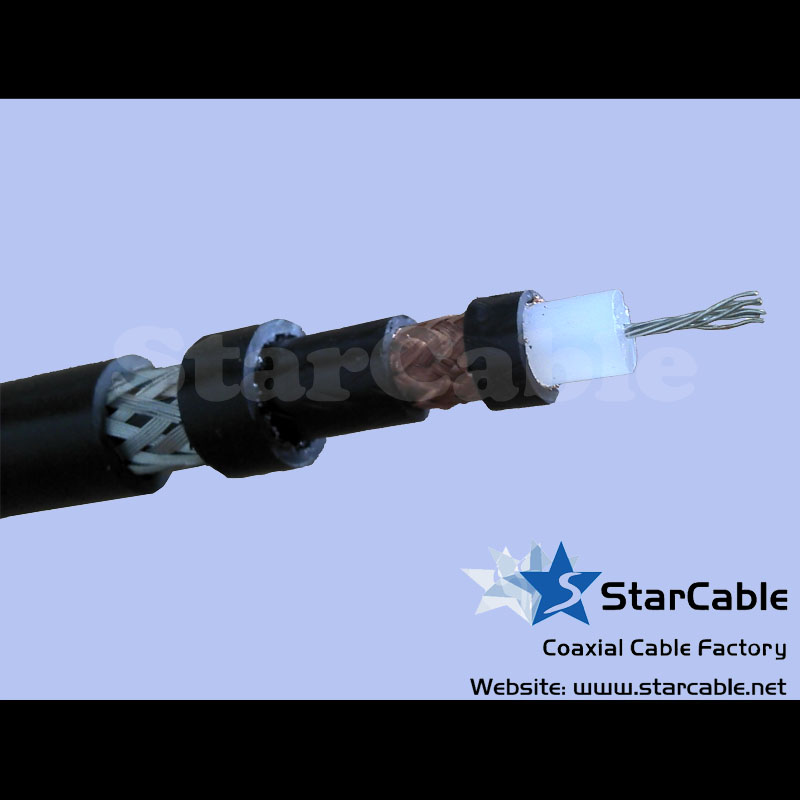
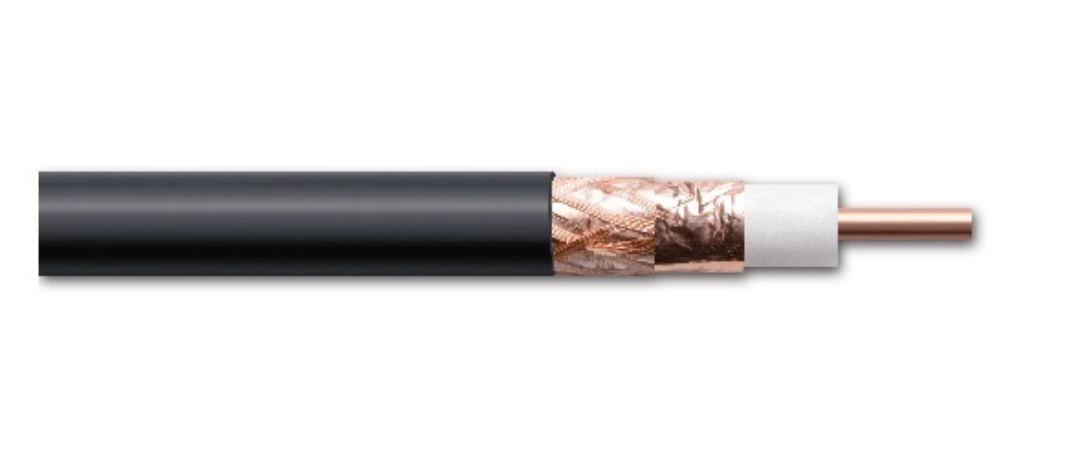
For cables transmitting data or sensitive analog signals, shielding is non-negotiable. Specify the braid coverage (e.g., 85 percent or 95 percent tinned copper braid) and whether aluminum foil wrapping is required. For the outer jacket, standard PVC is cost-effective, but TPE (Thermoplastic Elastomer) offers superior flexibility and a premium feel, while PUR (Polyurethane) is necessary for industrial abrasion resistance.
Navigating custom cable specifications? Let our sourcing engineers help you lock down a production-ready BOM.
Talk to our teamManufacturing Tolerances and Quality Control
Producing reliable cables at scale is heavily dependent on the factory's automated tooling and their quality management systems. Defects typically occur during the stripping, terminating, and overmolding phases.
Extrusion and Stranding
Copper wire is drawn, stranded, and insulated. Inconsistent extrusion speeds lead to uneven insulation thickness, causing potential shorts.
Stripping and Termination
Automated machines strip the jacket and crimp or solder the connectors. Poor calibration here severs inner copper strands, increasing resistance.
Injection Overmolding
The connector housing is molded over the terminated ends. Improper temperature control causes 'flash' (excess plastic) or incomplete seals.
To prevent these issues from reaching your warehouse, implementing rigorous Quality Control & Inspection is critical. Inspectors should pull samples directly from the line to verify continuity and physical integrity before final packaging.
Essential Testing Protocols
Your factory should be equipped to perform these tests on every batch:
Critical Cable Tests
- Continuity and Pinout Verification (100 percent of units)
- Hipot Testing (Dielectric withstand voltage)
- Swing/Bending Test (Typically 3,000 to 10,000 cycles with a specified weight)
- Salt Spray Testing (For connector plating corrosion resistance)
- Insertion/Extraction Force Testing
If your market requires specific regulatory approvals (such as RoHS, REACH, or CE), ensure the factory is using certified raw materials. Utilizing professional Compliance & Testing services ensures your shipment won't be held up at customs or face retail rejection.
Buying Mechanics: MOQs, Lead Times, and Tooling
Pricing and order minimums for non-standard cables depend heavily on whether you are using existing factory molds or requiring custom tooling for proprietary connectors.
If your project involves unique branding, specific Pantone-matched jackets, or proprietary connector shapes, you will need a factory experienced in OEM/ODM Services. Expect longer initial lead times (adding 15 to 20 days) for the tooling and first-article inspection phases.
Ready to scale your custom cable production? We can match you with audited factories capable of complex OEM requirements.
Get a free consultationFrequently Asked Questions
Successfully sourcing specialized cables requires moving beyond basic connector descriptions. By controlling the exact material specifications, mandating strict testing protocols, and partnering with verified manufacturers, you can eliminate the high failure rates associated with generic cable production.
Get Sourcing Help for Other Cables
Tell us your requirements and our experts will connect you with verified manufacturers.