Other Bus Parts
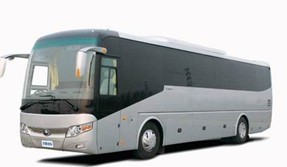
Source specialized and miscellaneous Other Bus Parts directly from vetted manufacturers and suppliers in China and across Asia. Designed for importers, wholesalers, and brands requiring bulk purchasing, OEM production, and reliable supply chains for custom or hard-to-source commercial vehicle components.
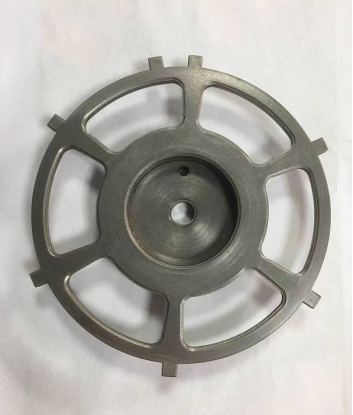
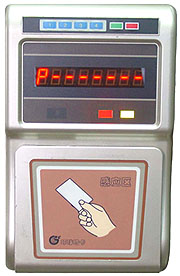
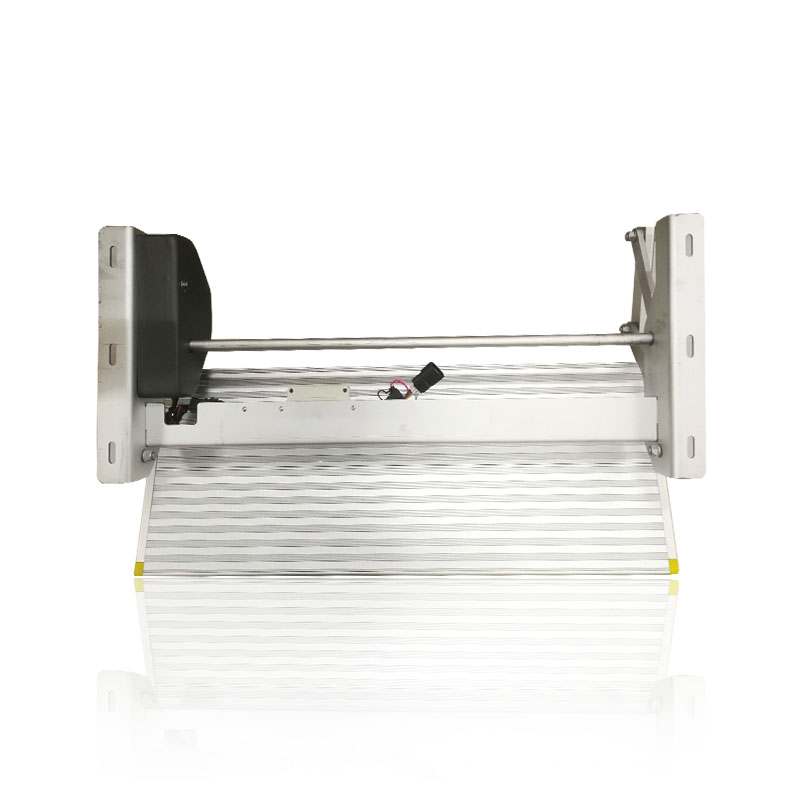
Sourcing miscellaneous and specialized bus components—often categorized generally as "other bus parts"—presents a unique procurement challenge. Unlike sourcing standardized engine blocks or major body panels, this category encompasses a highly fragmented range of hardware, custom interior fittings, specialized brackets, pneumatic accessories, and emergency mechanisms. The primary difficulty for procurement managers is not just finding a factory capable of making the part, but managing supplier consolidation and maintaining consistent quality across widely varying manufacturing processes.
Manufacturing Processes and Material Specifications
Because this category covers diverse components, your supply chain will likely bridge multiple manufacturing disciplines. Understanding the underlying process for each part is critical for negotiating costs and setting realistic quality expectations.
Metal Hardware and Structural Components
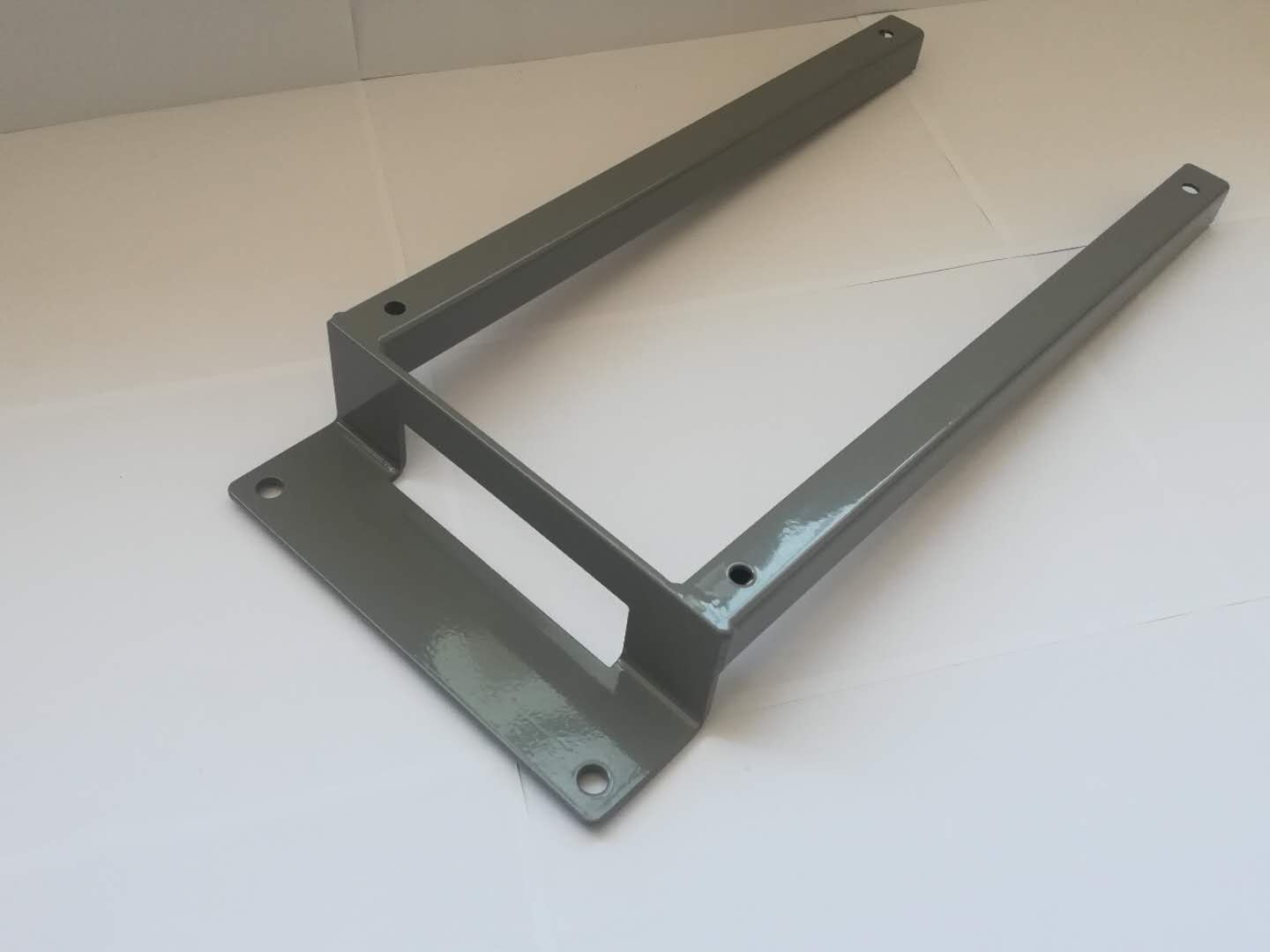
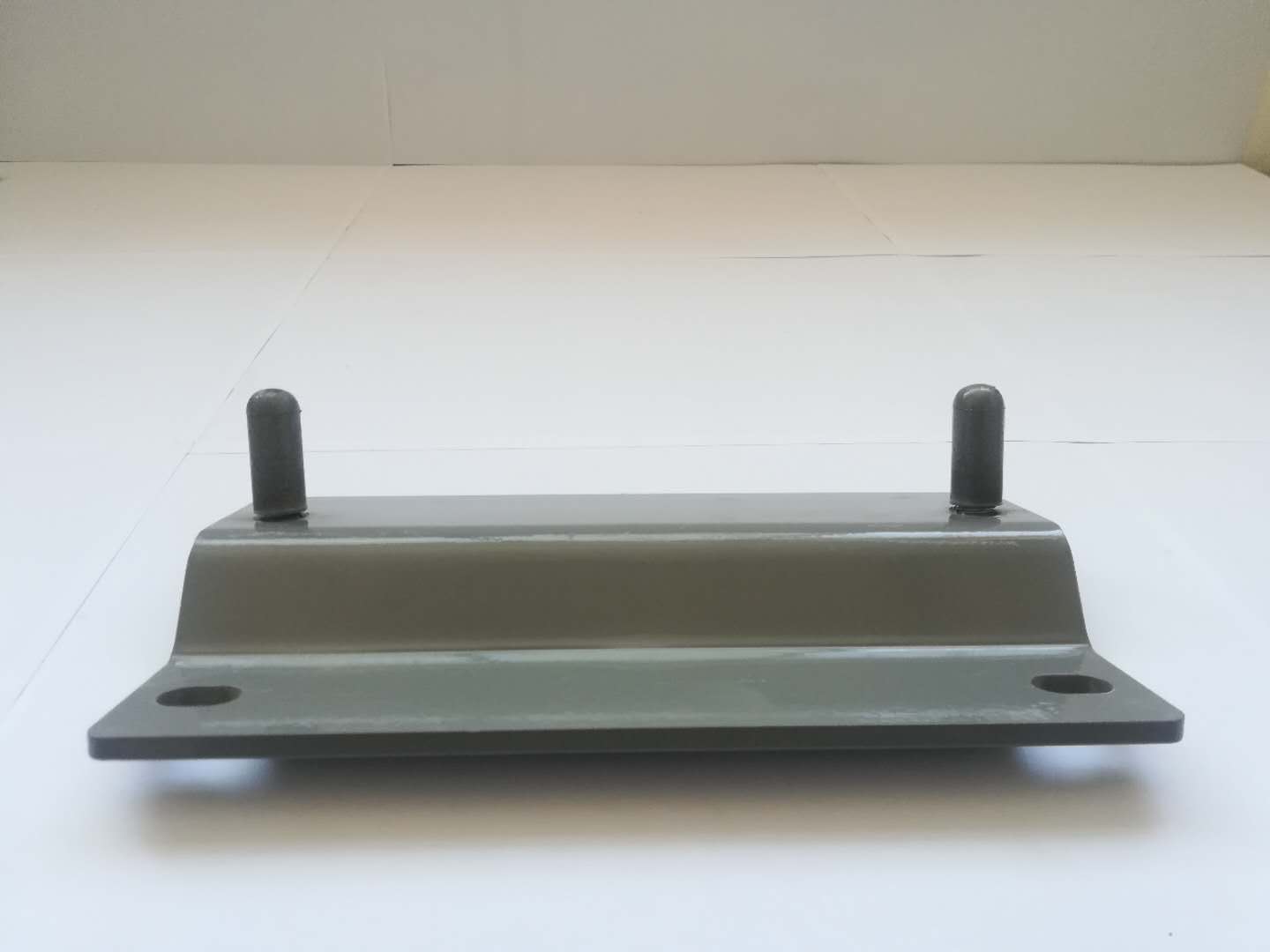
For specialized brackets, custom hinges, and structural reinforcements, factories typically utilize metal stamping, CNC machining, or die-casting.
- Materials: Specify 304 or 316 Stainless Steel for high-corrosion areas (like undercarriage brackets), and 6061-T6 Aluminum for lightweight interior structural parts.
- Tolerances: CNC-machined components should hold tolerances of ±0.05mm, while standard stamped parts may allow up to ±0.2mm depending on the application.
Plastics and Rubber Extrusions
Custom trim, specialized housings, and vibration-dampening mounts rely on injection molding and extrusion.
- Materials: Ensure interior plastics utilize flame-retardant ABS or Polycarbonate (PC) blends to meet international transit safety regulations (such as UN ECE Regulation 118). For seals and mounts, specify EPDM rubber for its superior UV and ozone resistance compared to standard Nitrile.
| Process | Typical Application | Tooling Cost | Unit Cost at Volume |
|---|---|---|---|
| Metal Stamping | Brackets, simple hinges | Moderate | Low |
| CNC Machining | Complex structural mounts | Zero to Low | High |
| Injection Molding | Plastic trim, housings | High | Very Low |
| Die Casting | Heavy-duty handles, mounts | High | Low to Moderate |
Struggling with inconsistent quality across multiple niche component suppliers? Let's discuss standardizing your supply chain.
Talk to our teamQuality Control and Factory Vetting
When dealing with miscellaneous parts, the risk of receiving sub-standard materials increases, often because buyers rely on trading companies rather than direct manufacturers. A trading company might source your brackets from one factory and your plastic trim from another, with no unified quality baseline.
To mitigate this, stringent factory audits are non-negotiable. You must ensure the actual production facility holds relevant automotive quality management certifications.
Critical Audit Points for Niche Bus Parts
- Verify IATF 16949 certification (the global automotive quality standard).
- Check in-house tooling maintenance capabilities for injection molding and stamping.
- Review material incoming inspection logs (verifying raw material certificates).
- Assess surface treatment facilities (e.g., salt spray testing for galvanized or powder-coated parts).
Defects in this category often manifest not in catastrophic failure, but in poor fitment and premature wear. Dimensional drift in stamped parts, flash in injection-molded plastics, and inadequate powder coating thickness (resulting in early rust) are common. Implementing rigorous quality control & inspection protocols before shipment is the only way to catch these issues before they impact your assembly line or distribution network.
Pricing, MOQs, and Lead Times
Procuring specialized bus parts requires balancing tooling investments against unit costs. Manufacturers will dictate Minimum Order Quantities (MOQs) based heavily on the setup time required for the specific manufacturing process.
When negotiating, separate the tooling cost from the unit cost. For OEM parts, owning the mold gives you leverage to move production if quality slips, but you must explicitly state tooling ownership in your manufacturing contract.
Need a transparent breakdown of tooling costs and unit pricing for your custom bus components?
Get a free consultationFAQ
Successfully sourcing miscellaneous bus components requires treating the "other" category with the same technical rigor as major vehicle systems. By focusing on direct factory relationships, demanding material transparency, and managing tooling ownership, you can build a resilient and cost-effective supply chain for even the most specialized parts.
Get Sourcing Help for Other Bus Parts
Tell us your requirements and our experts will connect you with verified manufacturers.