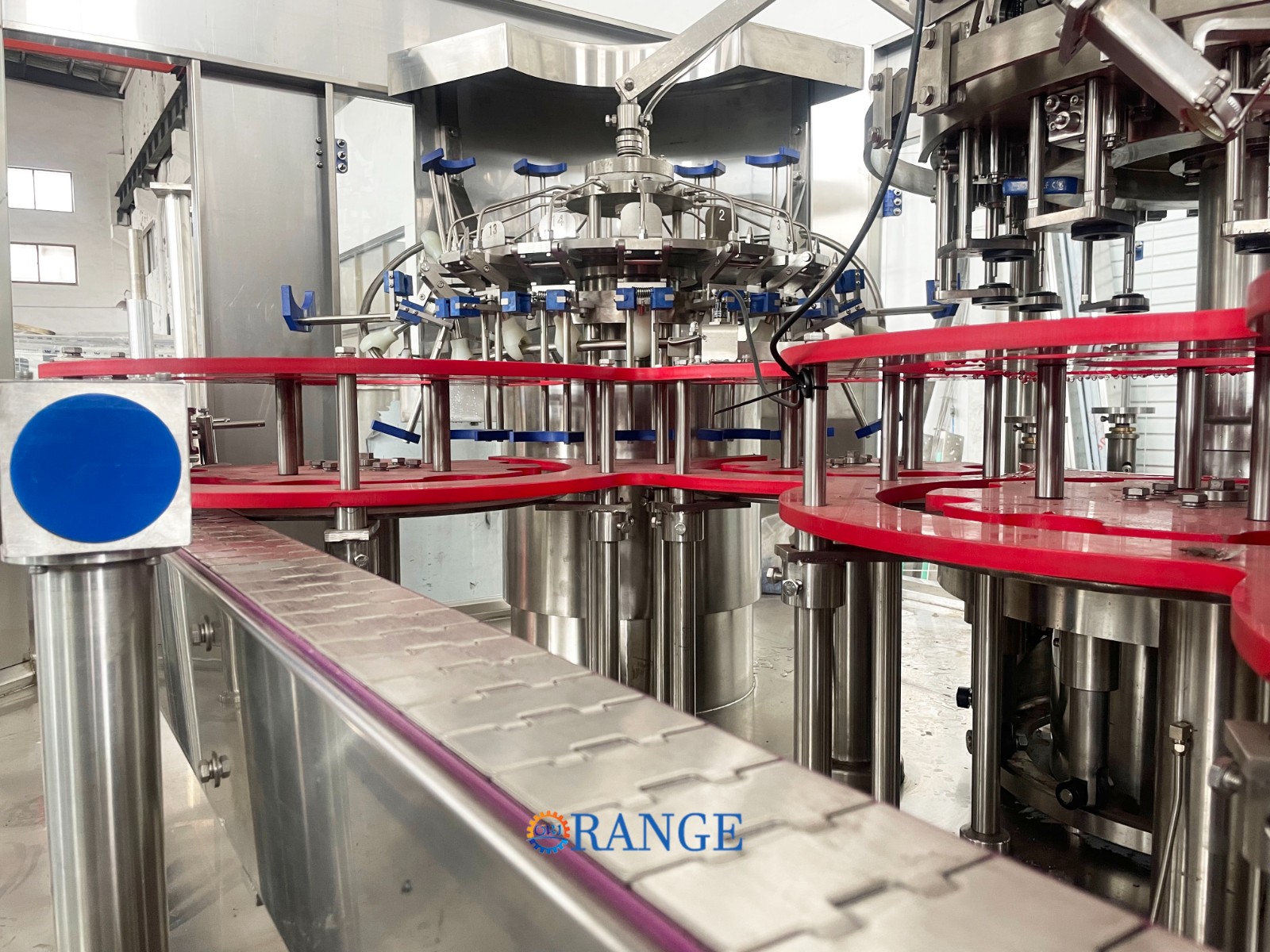
Other Beverage & Wine Machines
Source specialized Other Beverage & Wine Machines from vetted suppliers and manufacturers. Designed for importers, wholesalers, distributors, and brands seeking OEM production, this equipment meets strict food-grade standards for custom processing, filtration, and niche liquid handling in commercial facilities.
Sourcing specialized auxiliary beverage and wine processing machinery requires more than just matching output capacities. Because these units—ranging from custom filtration skids and specialized dosing systems to de-alcoholization and carbonation units—often bridge gaps in existing production lines, the primary challenge lies in ensuring seamless PLC integration, strict sanitary compliance, and exact dimensional tolerances. Buying off-the-shelf is rare; success depends on precise engineering communication and rigorous factory-level execution.
Critical Specifications and Sanitary Standards
When specifying auxiliary beverage equipment, the materials and surface finishes dictate both the lifespan of the machine and the safety of the end product.
The baseline for any beverage contact surface is AISI 304 stainless steel, but highly acidic environments, such as wine or citrus processing, demand 316L. You must clearly specify the internal surface finish requirements. A roughness average (Ra) of under 0.8 micrometers is the industry standard for food-grade applications. For highly sensitive beverage applications or pharmaceutical-grade crossovers, you may need to specify an Ra of under 0.4 micrometers, achieved through electropolishing.
| Material Grade | Primary Application | Corrosion Resistance | Cost Profile |
|---|---|---|---|
| AISI 304 | Standard beverage processing, water, beer | Moderate | Baseline pricing |
| AISI 316L | Wine, citrus, high-acid environments | High (molybdenum added) | 15-25% Premium |
Beyond the steel itself, specify the exact standards for all gaskets, seals, and hoses. Ensure the manufacturer uses FDA-approved or EU-compliant materials like EPDM, PTFE, or Viton, and require material test reports (MTRs) before assembly begins.
Need help verifying a manufacturer's technical capabilities and sanitary standards?
Talk to our teamManufacturing Tolerances and Factory Floor Realities
The critical failure point in custom beverage machinery is often the welding. Poor sanitary welding creates micro-crevices where bacteria accumulate, rendering CIP (Clean-in-Place) protocols completely ineffective.
When evaluating potential suppliers, you must look beyond the specification sheet and examine their physical welding and machining infrastructure. Conducting rigorous factory audits is essential to verify their use of orbital welding machines, proper shielding gases (like Argon), and their procedures for post-weld passivation.
Factory Acceptance Testing (FAT)
Never allow custom beverage machinery to ship without a comprehensive Factory Acceptance Test (FAT). This is where quality control is won or lost. The FAT must simulate real-world production conditions using water or a safe proxy liquid to test flow rates, pressure tolerances, and PLC logic.
Critical FAT Checkpoints
- Hydrostatic pressure testing of all vessels and piping to 1.5x operating pressure.
- Visual inspection of all internal sanitary welds using a borescope.
- Verification of CIP spray ball coverage (riboflavin testing).
- PLC logic stress test, including emergency stops and sensor fault simulations.
- Verification of all electrical components against UL/CE standards.
Production Mechanics: Lead Times and Customization
Auxiliary beverage machinery is predominantly built-to-order. For brands developing proprietary beverage processing techniques or unique form factors, utilizing OEM/ODM services ensures your intellectual property is protected while customizing the equipment's physical footprint and automation logic to fit your facility.
When negotiating with manufacturers, insist on open-architecture PLC programming (using globally recognized brands like Siemens, Allen-Bradley, or Mitsubishi) and an English-language HMI. Proprietary, locked control systems from tier-3 component suppliers will cause severe maintenance bottlenecks once the machine is installed in your facility.
Planning a custom machinery order and need to lock down exact specifications?
Get a free consultationFrequently Asked Questions
The success of sourcing specialized beverage machinery comes down to upfront engineering clarity and rigorous pre-shipment testing. Leaving technical assumptions unaddressed until the machine arrives on your factory floor is a costly mistake. Defining every weld standard, component brand, and testing protocol before the deposit is paid is the only way to ensure reliable integration.
Get Sourcing Help for Other Beverage & Wine Machines
Tell us your requirements and our experts will connect you with verified manufacturers.