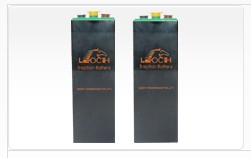
Other Batteries
Source bulk specialty and emerging-chemistry batteries directly from vetted manufacturers. Designed for importers, distributors, and brands requiring reliable OEM and private-label production of niche energy storage solutions, ensuring strict compliance, verified cycle life, and rigorous quality control.
Sourcing specialty and emerging battery chemistries—such as sodium-ion, industrial NiMH, or high-temperature primary cells—requires a different approach than buying off-the-shelf lithium-ion packs. When you move outside standard formats, you are often dealing with custom form factors, specific discharge profiles, and stringent environmental requirements. Success depends on identifying manufacturers with the precise R&D capabilities and production controls necessary for your chosen chemistry.
Defining Specifications for Specialty Batteries
When specifying non-standard batteries, standard capacity and voltage ratings are insufficient. You must define the operational boundaries clearly to ensure the factory engineers the correct cell chemistry and Battery Management System (BMS), if applicable.
Key parameters to lock down in your technical specification include:
- Energy Density vs. Power Density: Trade-offs are inherent. Specify whether your application requires sustained low-draw energy or rapid high-power bursts.
- Cycle Life Conditions: A cycle life claim (e.g., 2,000 cycles) is meaningless without stating the test conditions (e.g., 80 percent DoD at 25 degrees Celsius).
- Form Factor and Terminals: Custom dimensions or specific terminal types (tabs, pins, wires) often dictate whether you need a fully custom mold or can adapt an existing cell line.
Manufacturing Controls: Where Quality is Determined
Specialty battery production is unforgiving. Contamination or slight variations in electrode coating can lead to catastrophic failure or severely degraded lifespan. Evaluating a supplier means looking past their assembly lines and into their core cell manufacturing environment.
Need help verifying a battery manufacturer's true capabilities?
Discuss your projectWhen evaluating a factory, pay close attention to their environmental controls and automated inspection systems.
Critical Factory Control Points
- Dry Room Standards: Dew point monitoring and strict humidity control during electrolyte filling.
- Electrode Coating: Automated thickness measurement (e.g., beta-ray gauges) to ensure uniform active material distribution.
- Aging and Grading: Adequate time and capacity for proper cell formation and capacity grading before pack assembly.
- Traceability: Barcode or QR code tracking tying individual cells back to specific raw material batches.
Relying solely on a supplier's self-reported quality data is risky. Implementing independent factory audits prior to finalizing your supplier choice is the most effective way to verify these controls are actually in place and maintained.
Compliance, Testing, and Dangerous Goods Logistics
Navigating the regulatory landscape for batteries is complex. Regardless of the specific chemistry, almost all batteries are classified as Dangerous Goods (DG) for transport.
Before a battery can be shipped internationally by air or sea, it must pass rigorous safety testing (such as UN38.3 for lithium-based cells, covering altitude simulation, thermal tests, vibration, and short circuits). Furthermore, market-specific certifications are often required by local regulators or distributors.
Working with a partner who understands compliance and testing ensures your products do not get held up at customs or rejected by your buyers. Additionally, specialized shipping and freight coordination is mandatory to handle the hazardous materials documentation and secure appropriate carrier space, as many standard freight forwarders will not touch DG cargo.
Pricing, MOQs, and Lead Times
Buying specialty batteries at scale involves navigating different economic realities compared to commodity consumer cells.
| Factor | Standard Chemistries | Specialty / Custom Chemistries |
|---|---|---|
| Typical MOQ | 1,000 - 5,000 units | 10,000+ units (or high tooling fees) |
| Lead Time | 30 - 45 days | 60 - 90+ days (includes custom R&D) |
| Price Volatility | High (tied to lithium/cobalt) | Variable (depends on specific raw materials) |
- Minimum Order Quantities (MOQs): If you require a custom cell size or chemistry tweak, the factory must halt a line, clean it, and run your batch. This drives MOQs up significantly. If you can accept a standard cell size with a custom chemistry, MOQs may be lower.
- Tooling Costs: Custom battery packs requiring unique plastic housings or specialized BMS development will incur upfront NRE (Non-Recurring Engineering) and tooling costs.
- Raw Material Indexing: Pricing for batteries is heavily dependent on raw material costs. Ensure your contract specifies how price fluctuations in base metals will be handled.
Struggling with high MOQs or complex battery shipping requirements?
Get a sourcing assessmentProcuring specialized batteries is fundamentally an exercise in risk management. Success requires looking beyond the spec sheet to rigorously validate the manufacturer's process controls, raw material sourcing, and testing protocols.
Get Sourcing Help for Other Batteries
Tell us your requirements and our experts will connect you with verified manufacturers.