Other Batteries
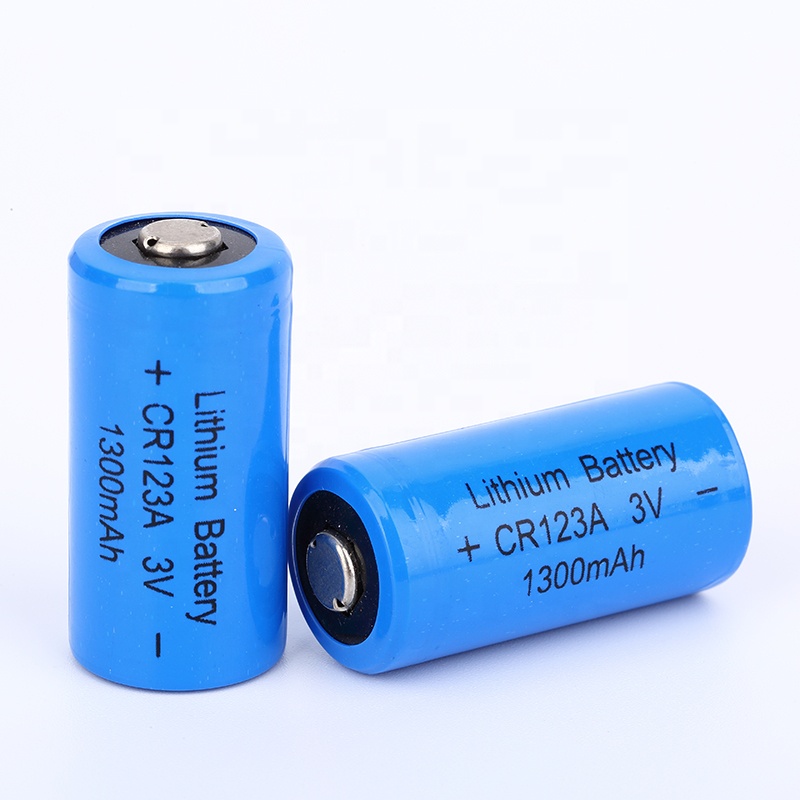
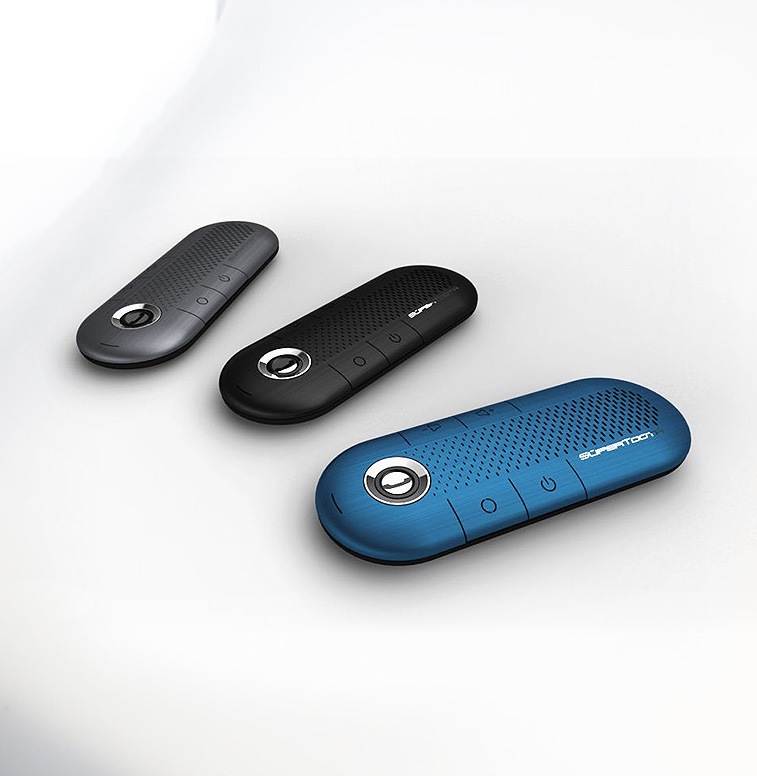
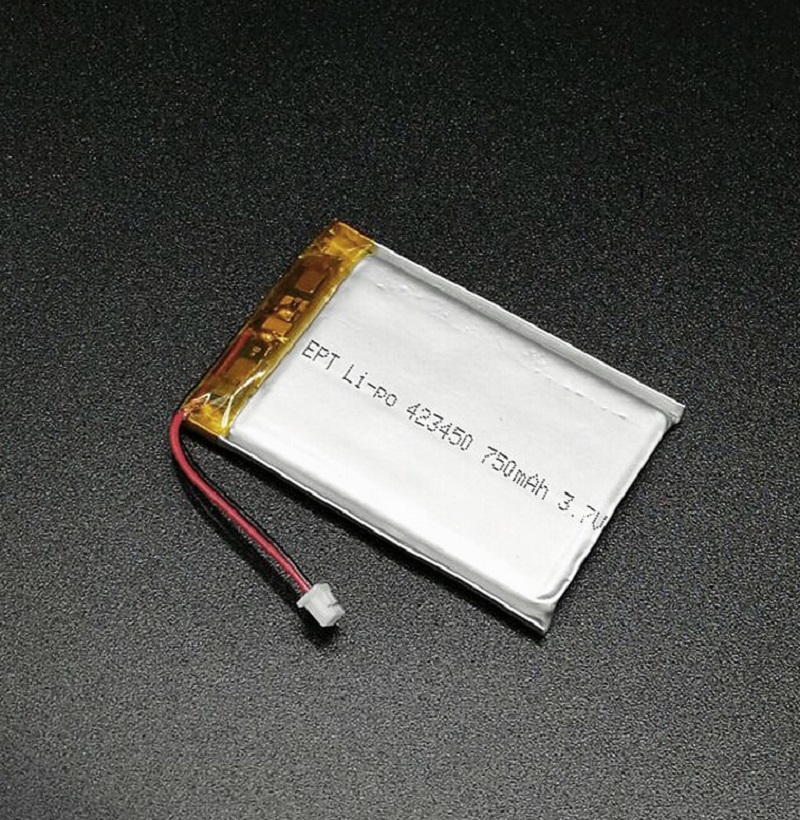
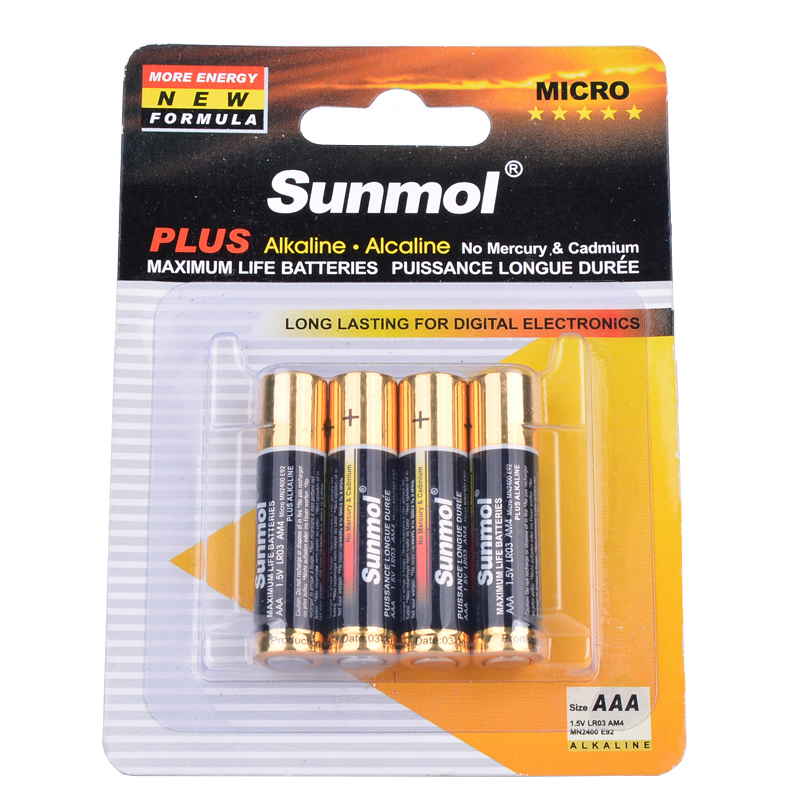
Source specialized and custom Other Batteries in bulk directly from vetted Chinese manufacturers. Designed for importers, electronics distributors, and brands requiring OEM/ODM production, our network delivers reliable power solutions with strict adherence to international safety, capacity, and shipping standards.
Sourcing specialized batteries and custom power packs requires navigating a complex landscape of cell grading, Battery Management System (BMS) reliability, and strict shipping regulations. Whether you are procuring custom lithium-polymer configurations for IoT devices, high-drain replacement packs for industrial tools, or specialized primary cells like Li-SOCl2, securing consistent quality from tier-one production lines is the core sourcing challenge. The difference between a reliable power source and a costly recall usually comes down to component transparency and rigorous factory-level testing.
Critical Specifications and Chemistry Profiles
When moving beyond standard consumer sizes, you must define exact electrical and physical parameters. Relying on nominal voltage and capacity alone is insufficient for custom or specialized battery applications.
Key parameters to specify include:
- Discharge Rate (C-Rate): Crucial for high-drain applications like power tools or drones. Specify both continuous and peak pulse discharge rates.
- Cut-off Voltages: Define exact charge and discharge cut-off voltages to ensure compatibility with your device's power management IC.
- Operating Temperature Range: Particularly critical for outdoor or industrial applications where standard Li-ion cells may fail in sub-zero environments.
- Internal Resistance (IR): Lower IR is mandatory for high-efficiency power delivery and reduced thermal generation during discharge.
| Battery Type / Chemistry | Typical Applications | Key Sourcing Metrics |
|---|---|---|
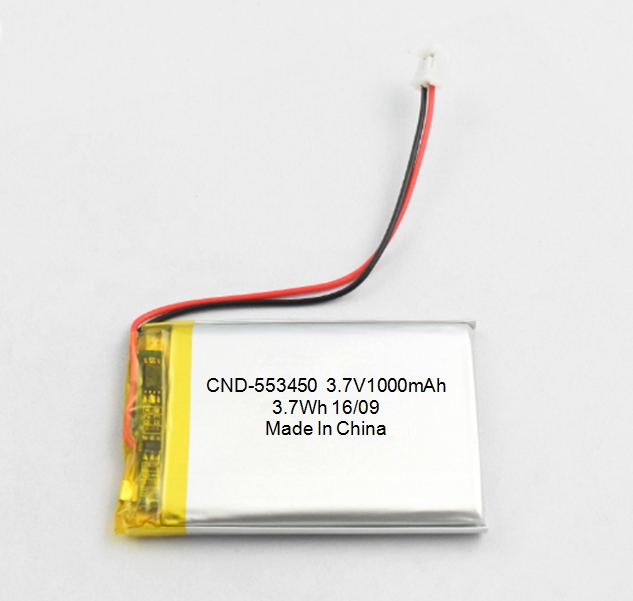
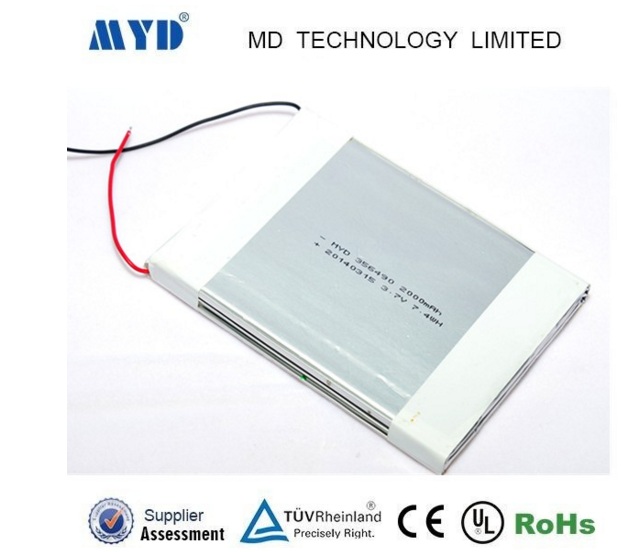
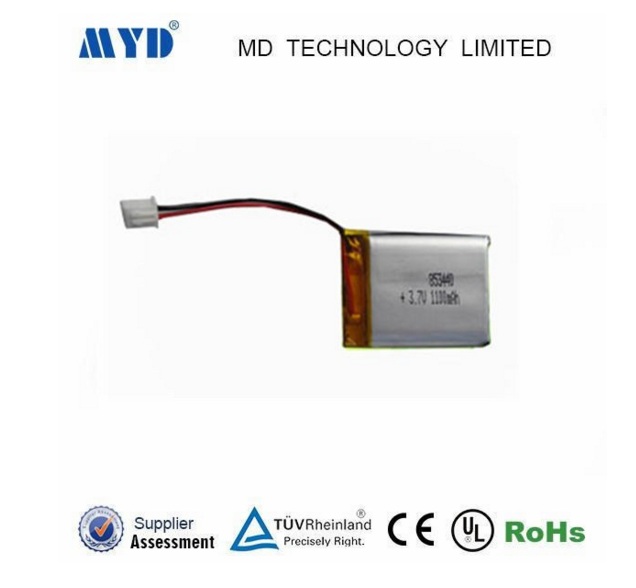
| Custom Li-Po Packs | Wearables, IoT, medical devices | Energy density, swelling limits, footprint |
| Li-SOCl2 (Primary Lithium) | Smart meters, remote sensors | Shelf life, pulse current capability |
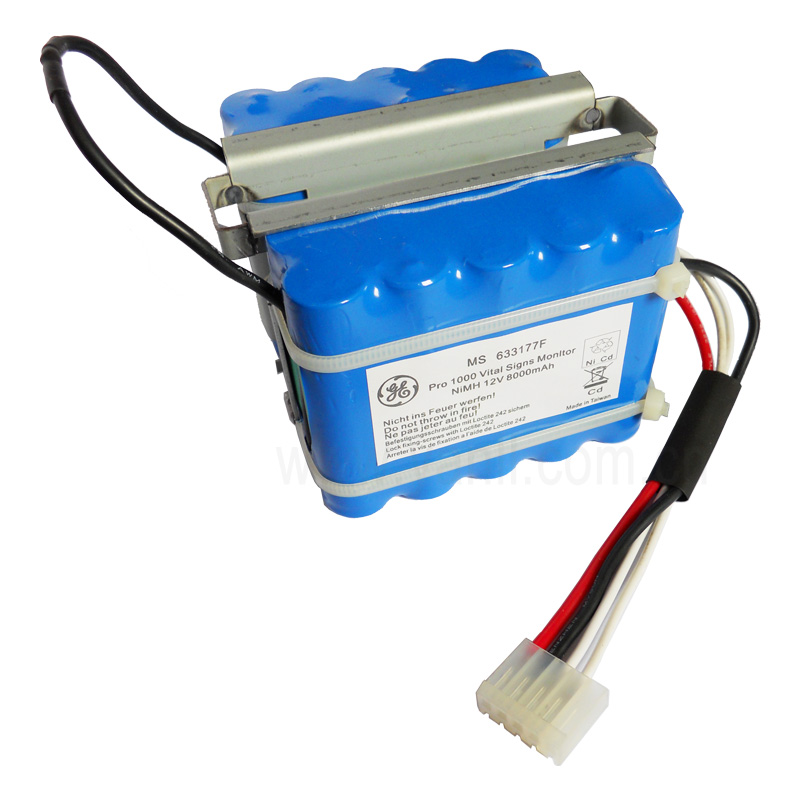
| High-Drain Li-ion / NiMH | Power tools, vacuum cleaners | Continuous C-rate, thermal management |
| Specialized Button/Coin Cells | RTC backup, key fobs | Leakage resistance, voltage stability |
Manufacturing and Quality Control Realities
The battery manufacturing process is highly sensitive to environmental controls and component quality. Capacity inflation—where suppliers overstate the mAh rating by using lower-grade cells—is a persistent issue in the wholesale battery market.
Struggling with inconsistent battery capacity or failing safety tests? Let our engineers audit your suppliers and secure reliable production.
Talk to our teamTo mitigate risks, buyers must insist on Grade-A cells. Grade-B or recycled cells often find their way into cheaper packs, leading to rapid capacity degradation and higher failure rates. Furthermore, the BMS is the brain of any rechargeable lithium pack. A poorly designed BMS using counterfeit ICs will fail to protect against overcharge, over-discharge, or short circuits, presenting a severe fire risk.
Critical Factory Quality Checks
- Cell Grading: Verify the factory's process for sorting and matching cells by voltage and internal resistance before pack assembly.
- BMS Component Sourcing: Confirm the origin of critical ICs (e.g., TI, Seiko, or reputable domestic equivalents).
- Spot Welding Consistency: Check for automated nickel-strip spot welding to prevent weak connections and high resistance points.
- Aging Process: Ensure 100% of packs undergo proper charge/discharge aging cycles before final testing.
- Environmental Controls: Dust and humidity control in the cell assembly area to prevent internal micro-shorts.
Thorough Quality Control & Inspection is non-negotiable. Pre-shipment inspections should always include capacity verification on a sample batch, BMS protection trigger testing, and physical dimension checks to ensure the batteries will actually fit your device housing.
Compliance, Safety Standards, and Testing
Batteries are heavily regulated globally. Importing non-compliant batteries can result in customs seizures, heavy fines, or catastrophic safety failures. You must verify that the factory holds valid, verifiable test reports for your specific battery model, not just a generic factory-level certificate.
- UN38.3 and MSDS: Mandatory for any international shipping of lithium batteries, regardless of the transport method.
- IEC 62133: The primary international safety standard for rechargeable secondary cells.
- UL 1642 / UL 2054: Often required for entry into the US market and by major retailers.
- CE and RoHS: Required for the European market, covering both safety and hazardous substance limits.
If your supplier cannot produce these, you will need to budget for Compliance & Testing through a certified third-party lab before mass production begins.
Buying Mechanics: MOQs, Lead Times, and Pricing
Battery pricing is highly volatile, driven directly by global raw material costs (like lithium carbonate and cobalt) and the origin of the internal cells. Packs utilizing imported cells (Samsung, LG, Panasonic) will carry a significant premium over those using tier-one Chinese domestic cells (such as EVE, BAK, or Lishen), though the quality gap has narrowed considerably for standard applications.
Tooling costs for custom plastic housings or unique connector molds will also impact your initial outlay. When negotiating, tie the pricing strictly to a defined Bill of Materials (BOM) that specifies the exact cell brand, cell model, and BMS components.
Need help negotiating MOQs and verifying component authenticity for your battery orders? Contact us to streamline your procurement.
Get a free consultationFrequently Asked Questions
Successfully sourcing specialized batteries requires more than just finding a low price on Alibaba; it demands rigorous validation of the supplier's technical capabilities, component supply chain, and quality management systems. Conducting comprehensive Factory Audits before placing a deposit is the most effective way to separate genuine battery manufacturers from mere assemblers who cut corners on cell grading and safety.
Get Sourcing Help for Other Batteries
Tell us your requirements and our experts will connect you with verified manufacturers.