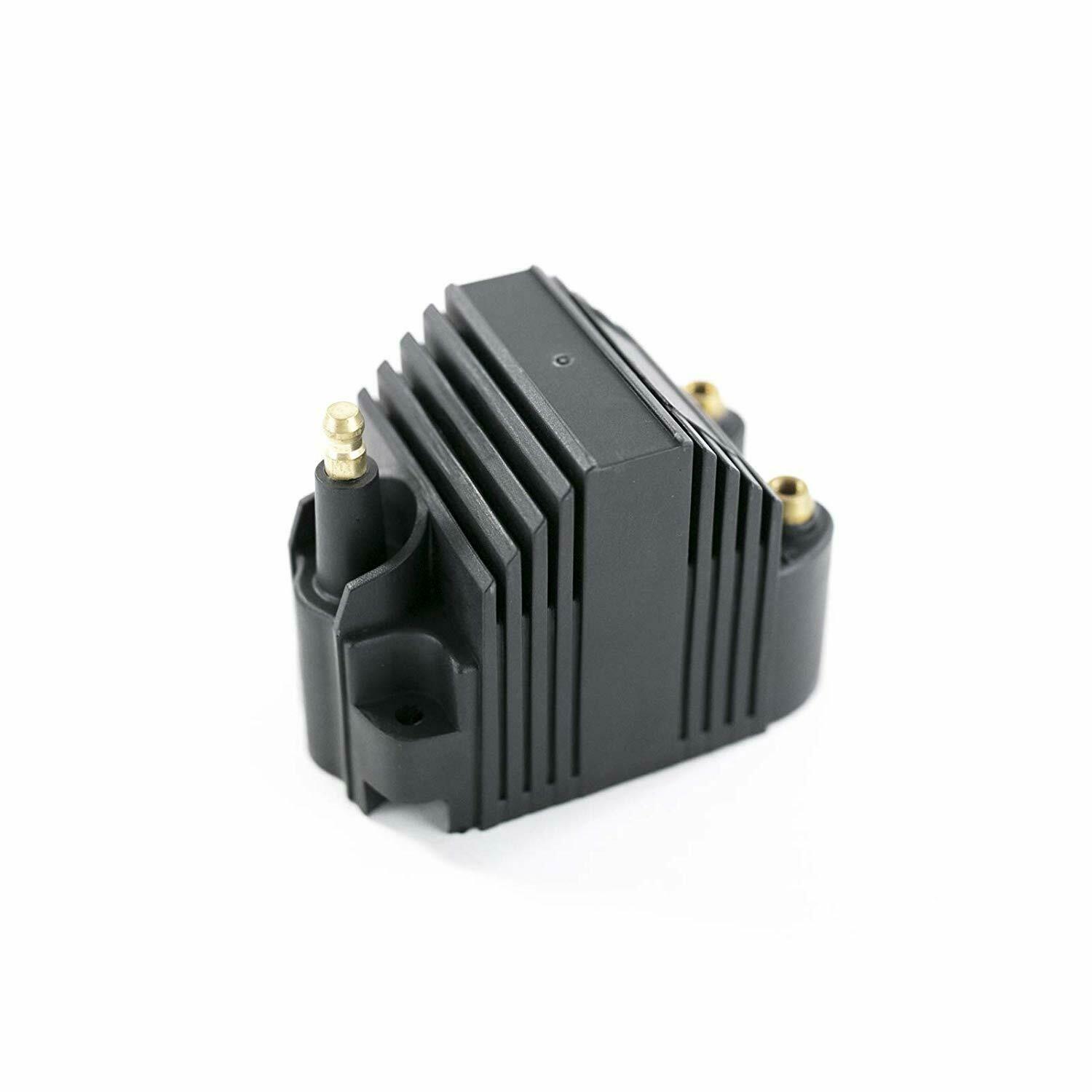
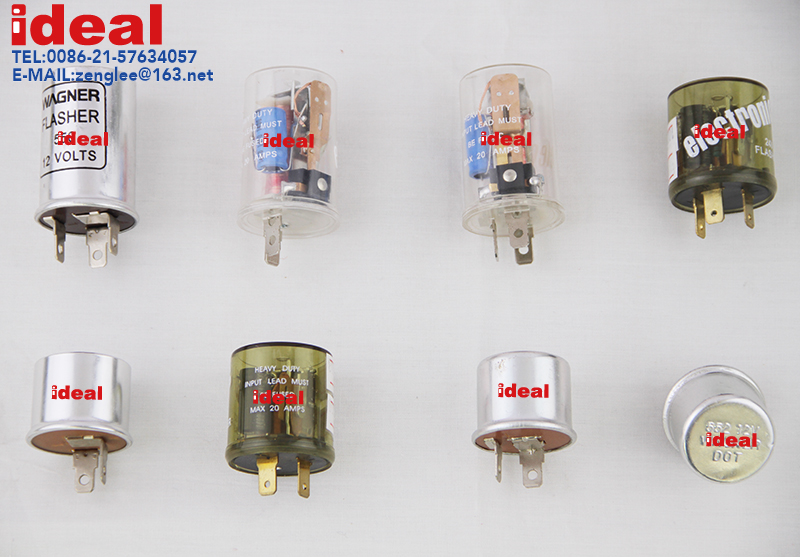
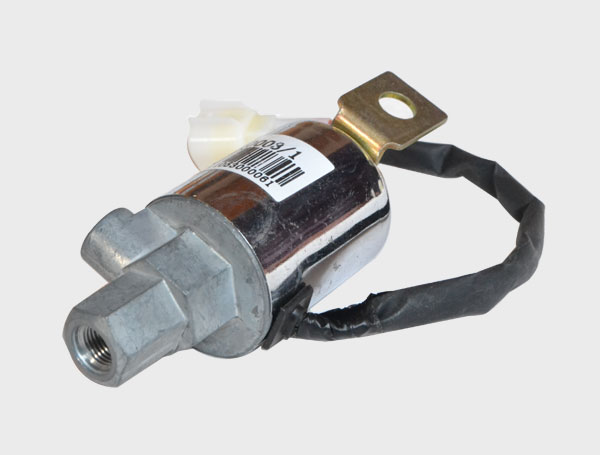
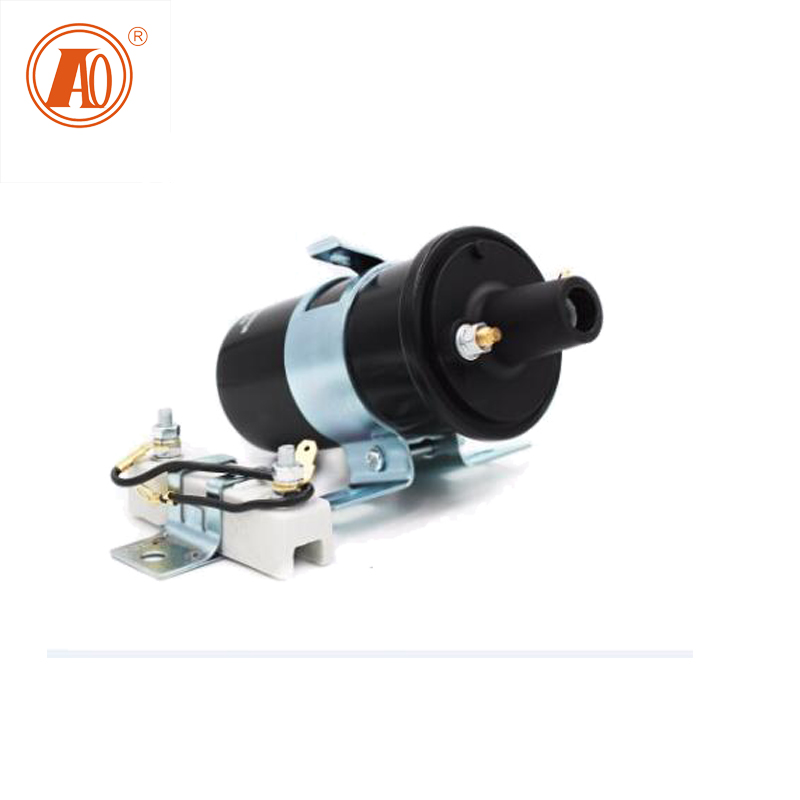
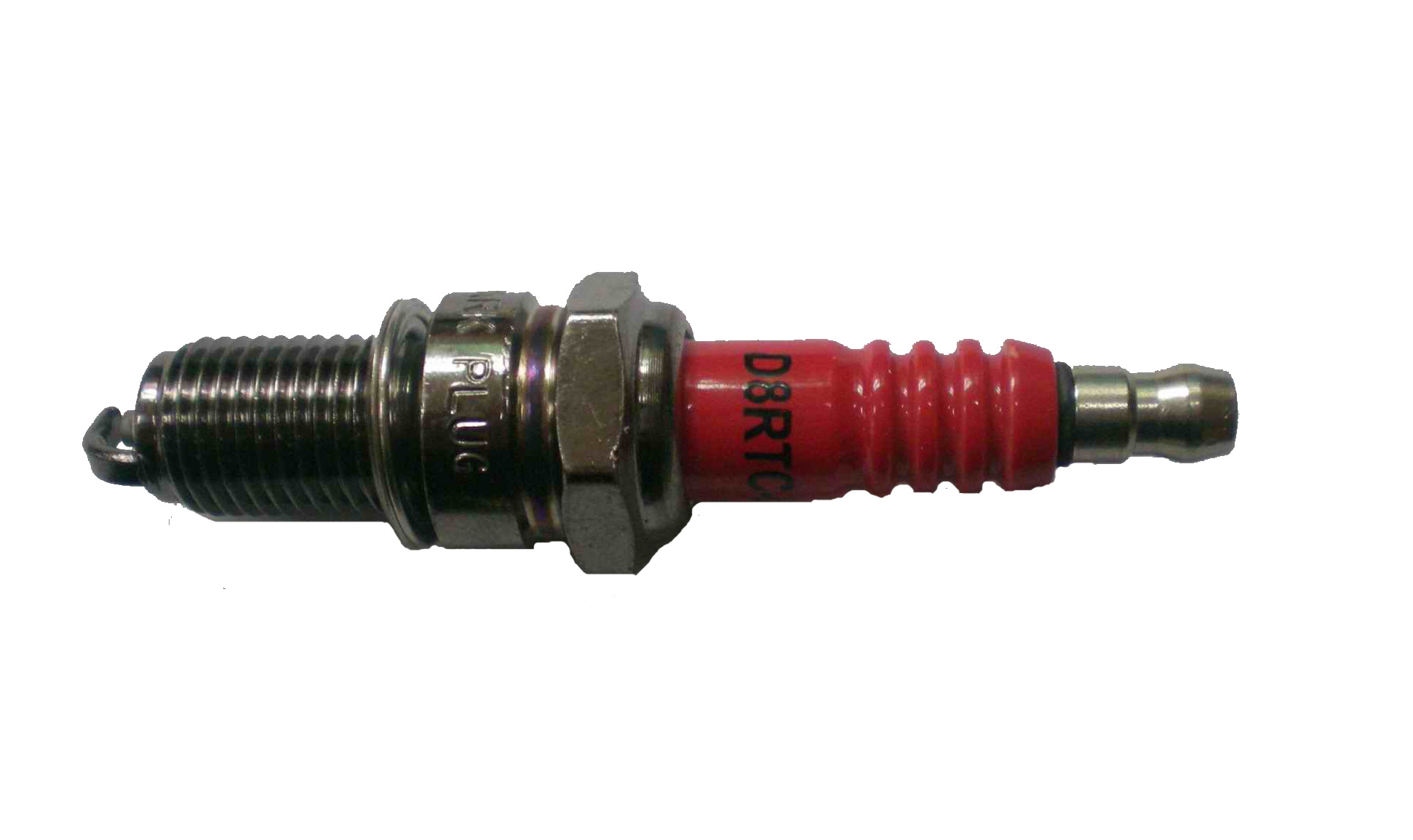
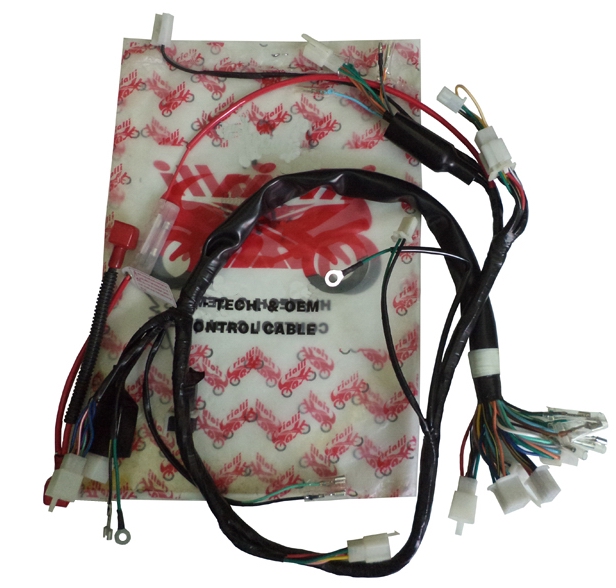
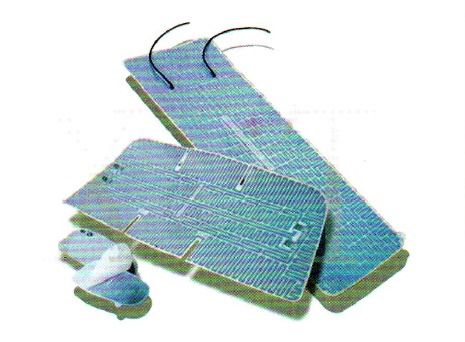
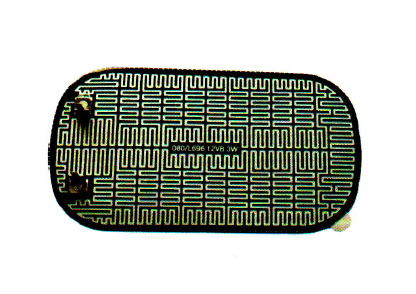
Other Auto Electrical Systems
Source high-quality Other Auto Electrical Systems directly from vetted manufacturers and wholesale suppliers. Designed for importers, auto parts distributors, and automotive brands seeking reliable OEM and aftermarket electrical components, custom modules, and specialized circuitry in bulk.
When sourcing specialized or niche auto electrical systems—ranging from custom power distribution modules and specialized electronic relays to voltage converters and aftermarket controllers—the primary challenge is factory specialization. Because this category encompasses a wide variety of non-standard electrical components, a "general" auto parts assembler is rarely the right fit. A facility excellent at basic wiring harnesses often lacks the surface-mount technology (SMT) lines or cleanroom environments required for solid-state controllers and precision circuitry.
Matching your specific technical requirements to a factory with the right engineering capabilities, testing equipment, and automotive quality management systems is critical to avoiding high failure rates in the field.
Evaluating Factory Capabilities and Manufacturing Standards
Automotive electrical components operate in environments characterized by extreme temperature fluctuations, high vibration, and exposure to moisture and chemicals. When vetting suppliers for specialized electrical modules, their manufacturing processes must reflect these realities.
Look for factories operating under IATF 16949 quality management systems, which is the baseline for serious automotive electronics production. Beyond certifications, you must evaluate their component sourcing networks. The reliability of a specialized voltage regulator or custom switch panel depends entirely on the quality of its internal microcontrollers, capacitors, and relays.
Critical Factory Verification Points
- In-house SMT (Surface Mount Technology) lines vs. outsourced PCB assembly
- Traceability systems for raw electronic components to prevent counterfeit chip use
- Automated Optical Inspection (AOI) equipment on the assembly line
- In-house potting and conformal coating capabilities for weatherproofing
- End-of-line functional testing stations customized to your specific module
If you are dealing with a new supplier for a critical electronic component, relying on self-reported capabilities is risky. Conducting thorough Factory Audits ensures the facility actually possesses the specialized equipment and engineering staff they claim.
Struggling to find a manufacturer with the right technical capabilities for your niche electrical component? Let us match you with a vetted factory.
Talk to our teamEnvironmental Protection and Quality Control
The physical housing and environmental sealing of an auto electrical system are just as important as the circuitry inside. Components mounted in the engine bay or on the exterior chassis require drastically different protection levels than cabin-mounted modules.
When defining your specifications, be explicit about the required IP (Ingress Protection) rating, thermal management requirements, and the potting compounds used. Epoxy potting offers excellent moisture and chemical resistance but is rigid, which can stress solder joints under extreme thermal cycling. Silicone or polyurethane potting compounds offer better flexibility for high-vibration applications.
| Specification | Standard Cabin Application | Harsh Environment (Engine Bay/Chassis) |
|---|---|---|
| IP Rating | IP54 to IP65 | IP67 to IP69K |
| Operating Temp | -40°C to 85°C | -40°C to 125°C (or higher) |
| PCB Protection | Basic conformal coating | Full silicone or epoxy potting |
| Housing Material | Standard ABS plastic | Glass-filled nylon or cast aluminum |
Defects in auto electrical systems are often invisible to the naked eye. Effective Quality Control & Inspection must go beyond visual checks and include rigorous functional testing, thermal shock testing, and vibration testing on sampled batches before shipment.
Customization, Tooling, and OEM/ODM Production
Many buyers in this category are developing proprietary aftermarket solutions or adapting existing systems for new vehicle models. If you are pursuing custom enclosures or proprietary PCB layouts, you will need a factory with strong OEM/ODM Services and an in-house R&D team.
Custom tooling for injection-molded plastic enclosures or die-cast aluminum heat sinks will require upfront investment. Ensure the factory provides DFM (Design for Manufacturing) feedback before cutting steel, as minor design adjustments can significantly reduce tooling costs and assembly complexity.
Need help negotiating tooling ownership, MOQs, or production timelines for a custom auto electrical module?
Get a free consultationFrequently Asked Questions
Successfully sourcing specialized auto electrical systems requires a deep understanding of both electronics manufacturing and automotive environmental standards. By partnering with factories that possess the right certifications, in-house testing equipment, and transparent supply chains, you can secure reliable components that perform flawlessly in the field.
Get Sourcing Help for Other Auto Electrical Systems
Tell us your requirements and our experts will connect you with verified manufacturers.