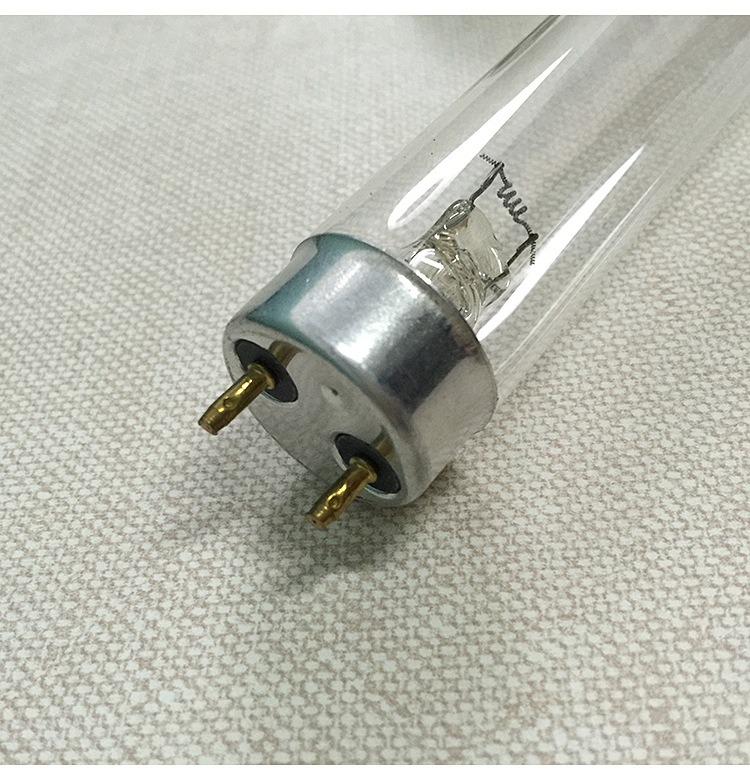
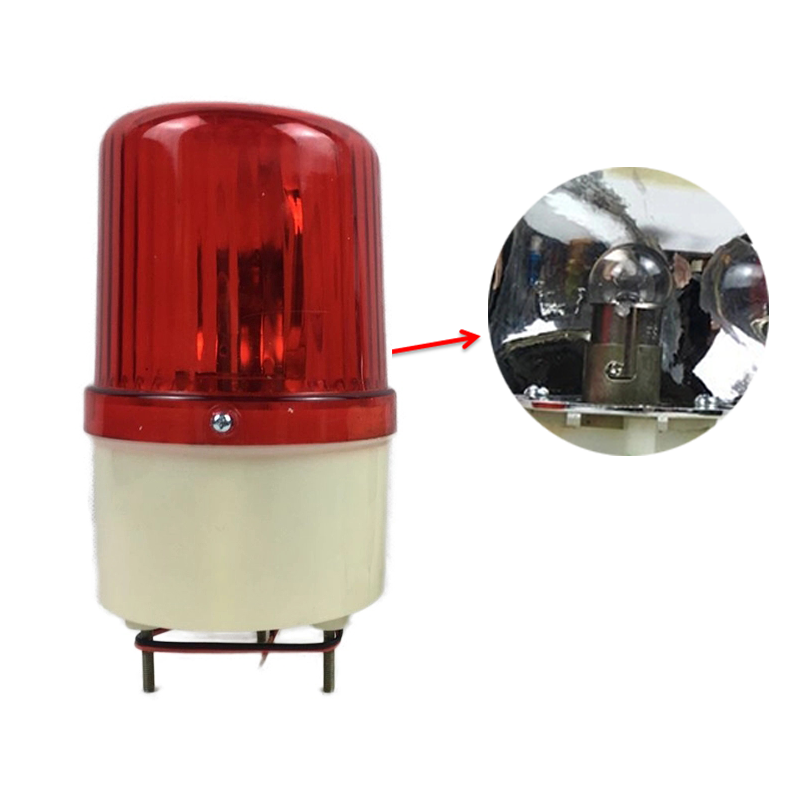
Other Application of Illumination System
Source highly specialized Other Application of Illumination System products directly from vetted manufacturers. Designed for importers, industrial distributors, and brands requiring OEM/ODM production, our network delivers reliable, compliant lighting solutions for niche technical, medical, and industrial use cases.
Sourcing specialized illumination systems—whether for machine vision, UV curing, horticultural growth, or medical task lighting—presents technical challenges far beyond standard commercial fixtures. When an application falls outside conventional architectural or consumer categories, the manufacturing requirements shift heavily toward precise optical control, extreme thermal management, and strict regulatory compliance.
Successfully importing these niche lighting systems requires partnering with manufacturers who understand application-specific engineering rather than just high-volume assembly.
Critical Specifications for Specialized Lighting
Off-the-shelf components rarely meet the demands of specialized illumination. When developing or sourcing these systems, your factory must be capable of adhering to tight tolerances across several technical parameters.
| Parameter | Standard Lighting | Specialized Illumination |
|---|---|---|
| Wavelength/Spectrum | Broad white (CCT/CRI) | Targeted nanometer (nm) peaks (e.g., UV-C, deep red) |
| Optical Control | Wide distribution, frosted diffusers | Precision lenses, narrow beam angles, zero light spill |
| Thermal Management | Basic extruded aluminum | Copper-core MCPCBs, active cooling, liquid cooling |
| Driver Performance | Standard constant current | Ultra-low ripple, high-frequency PWM dimming, flicker-free |
Thermal and Optical Engineering
The lifespan and performance of high-output specialty LEDs degrade rapidly if thermal junctions exceed their rated limits. Factories producing industrial or technical lighting must utilize advanced metal-core printed circuit boards (MCPCBs) and high-grade thermal paste.
Optics are equally critical. Specialized applications often require secondary optics (like PMMA or glass lenses) to direct photons precisely. Misalignment by even a millimeter during assembly can ruin the irradiance profile. Catching these defects requires stringent quality control and inspection protocols on the factory floor, including integrating sphere testing and goniophotometer measurements before shipment.
Need a manufacturer capable of meeting strict optical and thermal tolerances? We can match you with vetted factories specializing in technical illumination.
Talk to our teamManufacturing and Quality Control Challenges
Not every LED factory can produce specialized illumination systems. Many rely on standardized molds and generic drivers that fail under continuous industrial use.
Factory Capability Checklist
- In-house optical testing (integrating spheres, spectrometer data)
- Cleanroom assembly environments for sensitive UV or medical optics
- Traceability of LED binning (essential for color/wavelength consistency)
- Aging test capabilities (minimum 24-48 hours at elevated ambient temperatures)
- Experience with specialized potting compounds for high IP/IK ratings
When assessing a potential supplier, verify their supply chain for critical components. The origin of the LED chips (e.g., Nichia, Osram, Cree) and the drivers (e.g., Mean Well, Inventronics) dictates the system's reliability. A comprehensive factory audit is essential to confirm that the supplier is purchasing genuine components and not utilizing gray-market substitutes.
Compliance and Regulatory Testing
Specialized lighting often crosses into highly regulated territories. Depending on the application, standard CE or UL marks may not be sufficient.
- Photobiological Safety: Systems emitting UV, IR, or high-intensity blue light must be tested to standards like IEC/EN 62471 to ensure they do not pose hazards to human skin or eyes.
- Ingress and Impact: Industrial applications frequently require IP67/IP68 (water/dust) and IK08/IK10 (impact) ratings, necessitating specialized gasket designs and potting processes.
- Electromagnetic Compatibility (EMC): Machine vision and medical lighting must not interfere with sensitive surrounding equipment, requiring robust EMI/RFI shielding.
Navigating these requirements is complex. Utilizing professional compliance and testing services ensures your products meet destination-market regulations before they leave Asia.
Pricing, MOQs, and Lead Times
Because these systems often require custom tooling for heatsinks and optics, the sourcing economics differ from standard lighting.
If your project requires significant customization, engaging OEM/ODM services is the most effective route. A capable ODM partner will co-invest in the engineering process, helping to amortize tooling costs over future production runs while ensuring the design is optimized for manufacturing.
Planning a custom illumination project? Let us help you structure the tooling agreements and negotiate favorable MOQs with top-tier manufacturers.
Get a free consultationFrequently Asked Questions
Finding the right manufacturing partner for specialized illumination systems is an exercise in risk management. Success depends on verifying technical capabilities, securing genuine components, and maintaining rigorous oversight throughout production.
Get Sourcing Help for Other Application of Illumination System
Tell us your requirements and our experts will connect you with verified manufacturers.