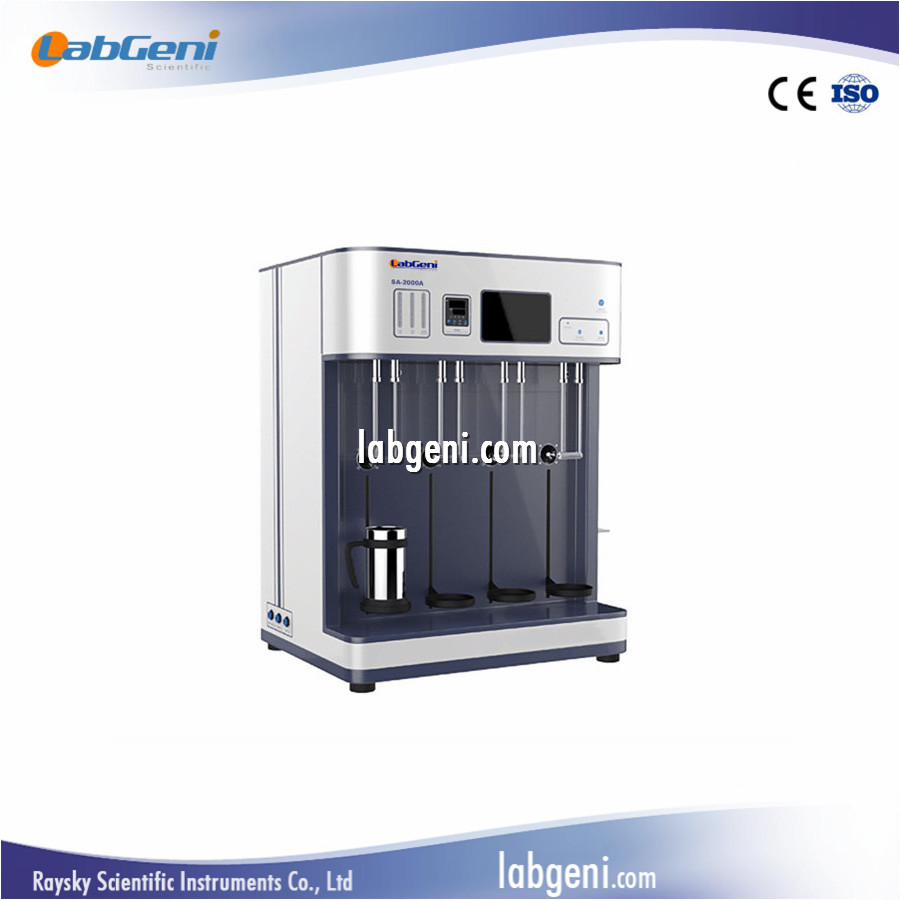
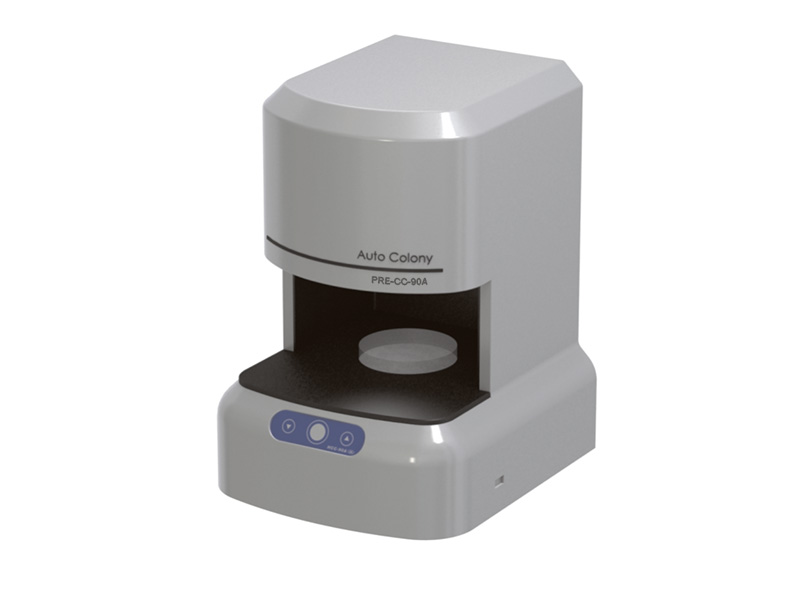
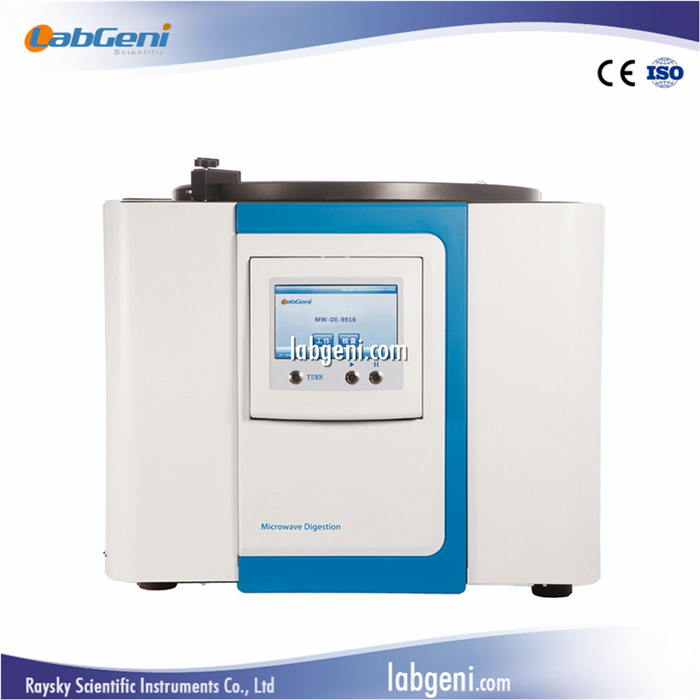
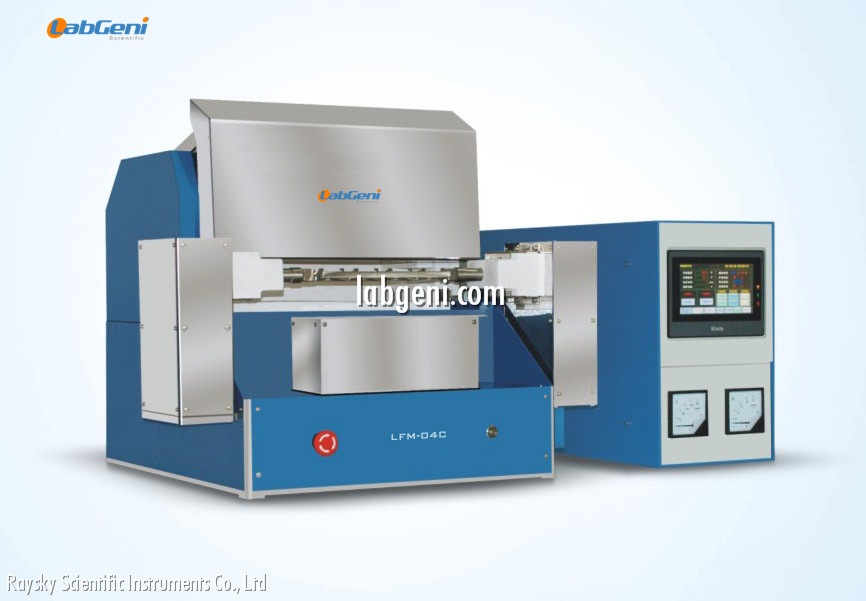
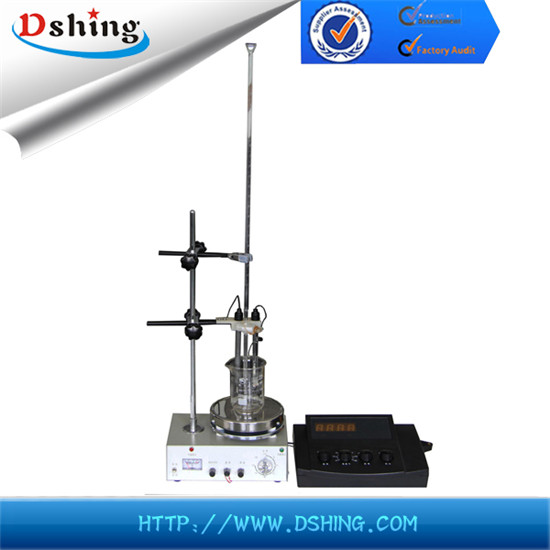
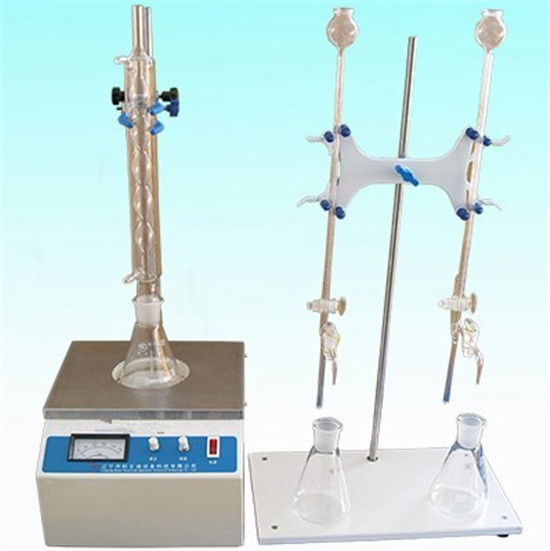
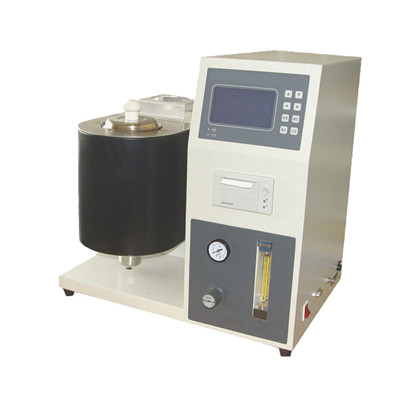
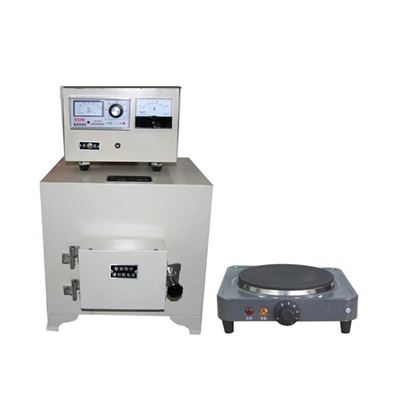
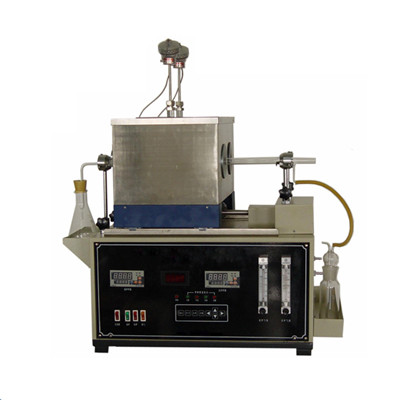
Other Analysis Instruments
Source Other Analysis Instruments from vetted suppliers and manufacturers in China and Asia. Designed for importers, distributors, procurement managers, and brands looking for reliable wholesale purchasing or OEM and ODM production. Connect with factories capable of delivering precision testing equipment tailored to your exact technical requirements.
Sourcing specialized analysis instruments requires a rigorous approach to technical specifications and supplier validation. When dealing with niche testing equipment outside standard categories—whether for custom material analysis, unique environmental monitoring, or specialized industrial diagnostics—the burden of defining performance parameters, calibration standards, and data integrity falls heavily on the buyer. Success depends on partnering with manufacturers who understand precision electronics and have the engineering depth to support complex instrumentation.
Defining Specifications for Niche Instruments
Because these instruments often serve highly specific applications, off-the-shelf specifications rarely tell the whole story. You must clearly define the operational limits and data handling capabilities before approaching a manufacturer.
Critical Specifications to Define
- Sensor Resolution & Accuracy: Define the acceptable error margin and the required resolution for the specific analyte or variable.
- Calibration Drift: Specify the maximum allowable drift over time (e.g., per 6 months or 12 months) before recalibration is required.
- Operating Environment: Detail the exact temperature, humidity, and electromagnetic interference (EMI) conditions the unit must withstand.
- Data Interfaces & Protocols: Ensure compatibility with target systems by specifying required outputs (RS232, RS485, USB, Modbus, or wireless protocols).
If a supplier cannot discuss these parameters intelligently, they are likely an assembler of consumer-grade electronics rather than a true manufacturer of analytical equipment. Conducting thorough factory audits is essential to verify their engineering capabilities, cleanroom facilities, and testing infrastructure.
Need help identifying factories with the technical capability to produce specialized analytical instruments?
Get a free consultationManufacturing Vulnerabilities and Quality Control
The reliability of an analysis instrument is won or lost in component selection and assembly precision. The core sensors and the analog-to-digital converters (ADCs) must be sourced from reputable component brands; substituting these for cheaper alternatives is the most common cause of instrument failure or erratic readings.
Component Verification (IQC)
Ensure the factory has a stringent Incoming Quality Control process for critical sensors, microprocessors, and PCBs. Counterfeit or substandard chips will ruin data integrity.
Assembly Environment
Precision instruments require controlled assembly environments to prevent dust and static from compromising sensitive optical or electronic components.
In-Line Calibration
The factory must have the necessary reference standards and equipment to calibrate the instruments during the production process, not just at the end.
To prevent substandard units from shipping, implementing professional quality control and inspection protocols is non-negotiable. This should include functional testing of a statistically significant sample against a known reference standard before the goods leave the facility.
Compliance and Certification
Importing analytical instruments into major markets requires strict adherence to regulatory standards. Depending on the instrument's function and target market, you may need to verify compliance with CE (EMC and LVD directives), FCC Part 15, RoHS, and potentially specific industry standards like ISO 17025 for testing and calibration laboratories. Engaging in rigorous compliance testing early in the procurement cycle prevents costly customs delays or market rejections.
Pricing, MOQs, and Lead Times
The production dynamics for specialized analysis instruments differ significantly from mass-market consumer electronics. Buyers should expect lower production volumes but higher upfront engineering and component costs.
When negotiating pricing, factor in the cost of after-sales support and the provision of spare parts. A manufacturer offering a price significantly below market average is likely cutting corners on sensor quality or skipping crucial calibration steps.
Streamline your procurement and ensure consistent quality for complex analytical instruments.
Talk to our teamFrequently Asked Questions
Sourcing specialized analysis instruments demands technical fluency and a proactive approach to quality management. By rigorously defining your specifications, validating the factory's engineering depth, and enforcing strict calibration protocols, you can secure reliable instrumentation that meets the demands of professional end-users.
Get Sourcing Help for Other Analysis Instruments
Tell us your requirements and our experts will connect you with verified manufacturers.