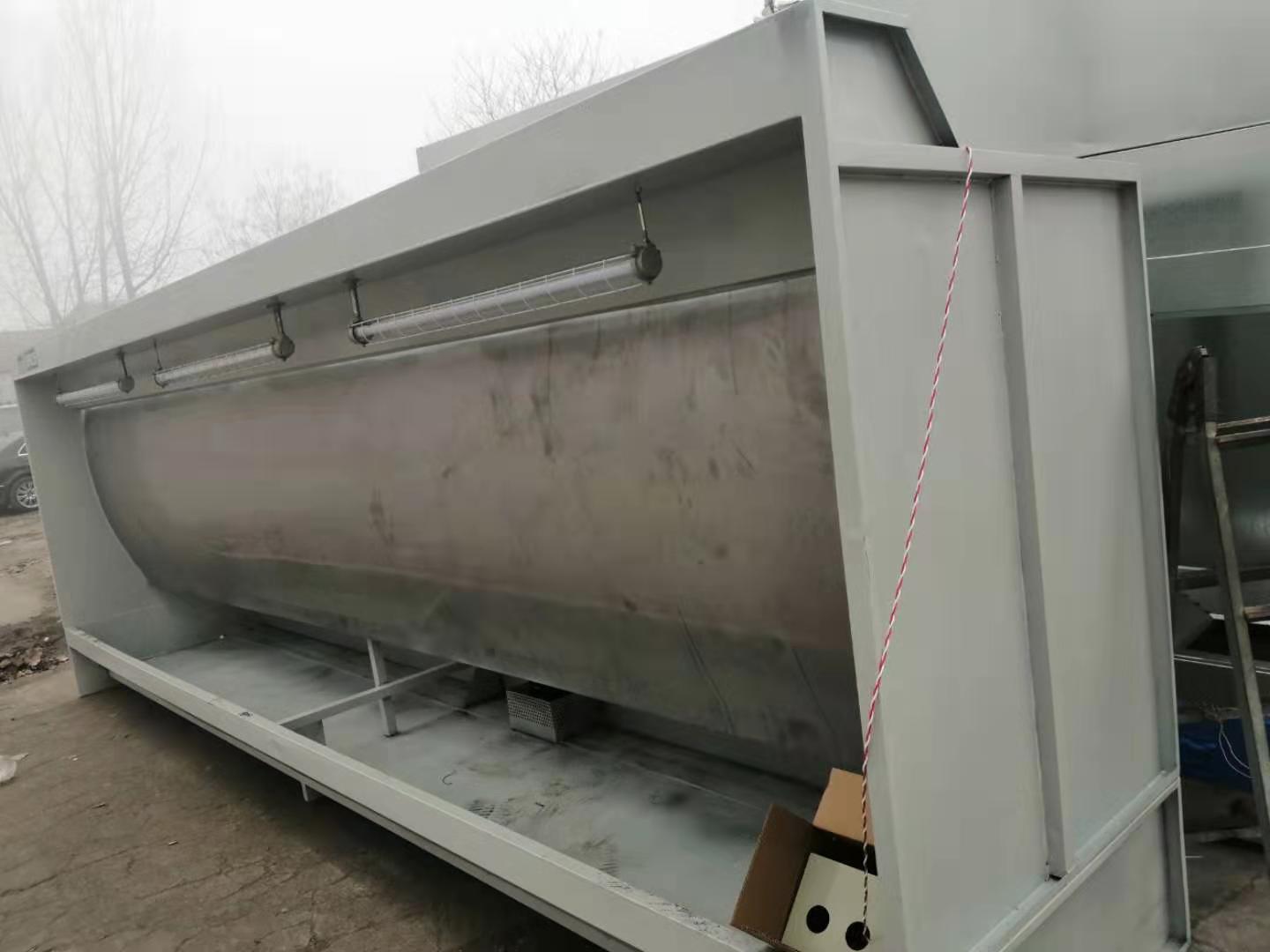
Other Air Cleaning Equipment
Source specialized commercial air cleaning equipment directly from vetted manufacturers and factories in Asia. Designed for importers, wholesalers, and brands seeking OEM/ODM production, this category covers industrial-grade extraction, sterilization, and filtration units built for volume buyers.
Sourcing specialized air cleaning equipment—whether for localized industrial extraction, commercial sterilization, or niche environmental control—requires navigating a highly fragmented supplier base. Because these units fall outside standard HVAC or consumer air purifier categories, factory capabilities vary wildly. The core challenge is ensuring the manufacturer has genuine engineering expertise in fluid dynamics, motor integration, and electrical safety, rather than simply assembling off-the-shelf components inside a generic metal enclosure.
Component Selection & Performance Specifications
The reliability of commercial air cleaning equipment rests entirely on the quality of its internal components. When evaluating a supplier's bill of materials (BOM), pay close attention to the motor, the impeller design, and the filtration media.
Airflow volume (measured in CFM or CMH) and static pressure are the primary performance indicators. High static pressure is necessary to pull air through dense media like HEPA filters or deep-bed activated carbon. If a factory specifies a high CFM but low static pressure, the unit will choke under real-world conditions once the filters begin to load with particulates.
| Motor Type | Cost Profile | Efficiency & Control | Best Application |
|---|---|---|---|
| Standard AC | Low to Medium | Lower efficiency, fixed speeds | Budget commercial units, constant-volume extraction |
| EC (Electronically Commutated) | High | High efficiency, variable speed, lower heat | Premium OEM units, variable-load environments |
| Brushless DC (BLDC) | Medium to High | High efficiency, requires AC/DC conversion | Compact specialized scrubbers and extractors |
Need help verifying factory engineering capabilities? We evaluate supplier technical competence and BOM quality on the ground.
Talk to our teamManufacturing Tolerances & Quality Control
In specialized air cleaning equipment, poor manufacturing tolerances lead to air bypass—where contaminated air leaks around the filter frame rather than passing through it. This instantly nullifies the effectiveness of high-grade filters.
When establishing your quality control and inspection protocols, you must look beyond basic functionality and focus on structural integrity and sealing.
Critical Factory-Level Inspection Points
- Filter Seating: Verify the use of closed-cell EVA foam or poured polyurethane gaskets to ensure a 100 percent seal against the filter frame.
- Housing Integrity: Check sheet metal seams and spot welds for air leaks using smoke testing on a sample basis.
- Vibration & Noise: Measure decibel levels at specific distances and check for casing rattle caused by unbalanced impellers.
- Electrical Safety: Ensure PCB mounting is secure, wiring is properly routed away from moving parts, and grounding is continuous.
Compliance, Testing, and Market Entry
Specialized air cleaning equipment often faces strict regulatory scrutiny, particularly if the units utilize UV-C sterilization, electrostatic precipitation (ESP), or ozone generation.
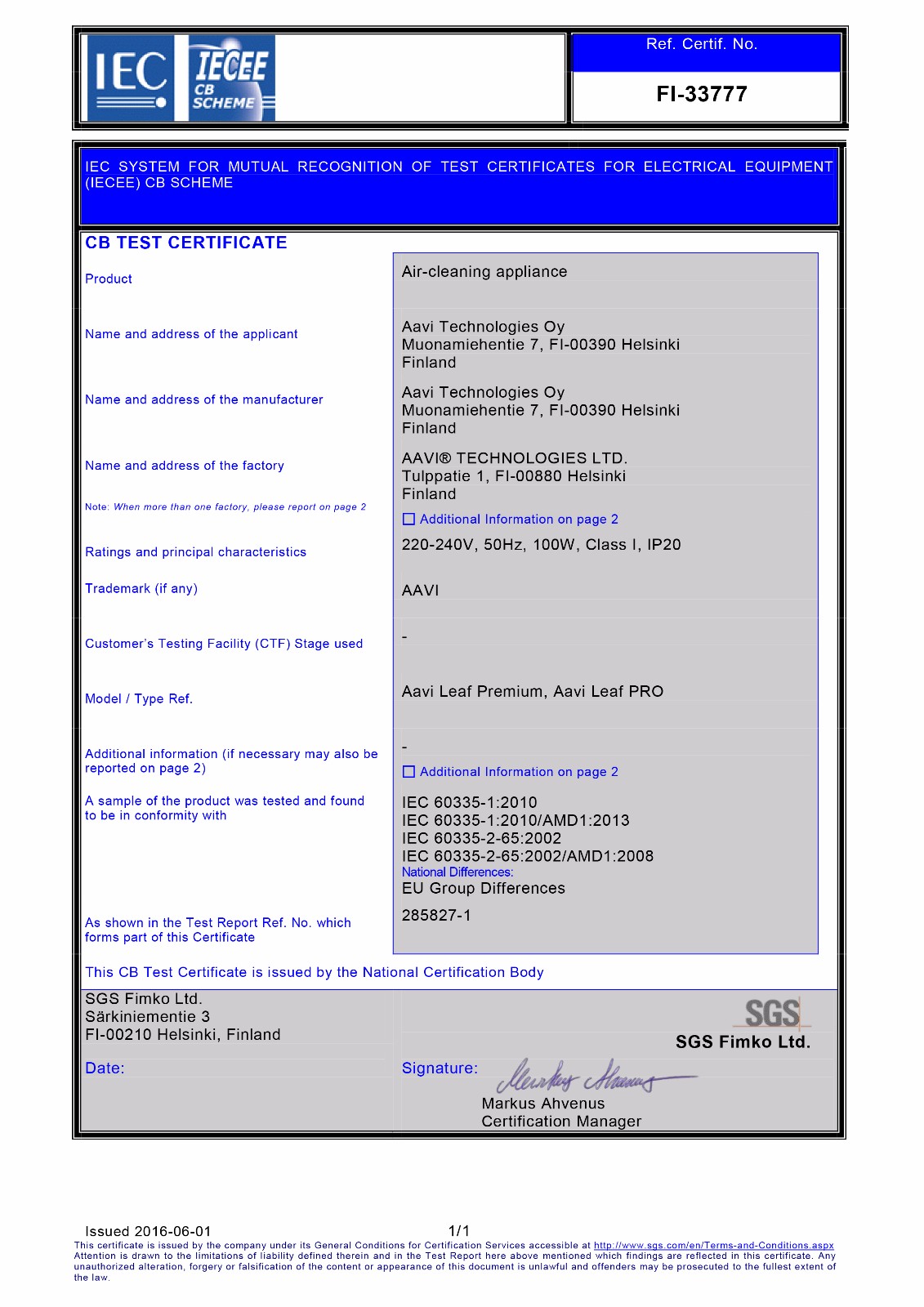
If your equipment generates ozone (even as a byproduct), it must comply with stringent limits. For example, the California Air Resources Board (CARB) requires emissions to remain under 0.05 parts per million (ppm). Navigating compliance and testing requires working with factories that understand these thresholds and have existing relationships with recognized testing laboratories (like SGS, Intertek, or TÜV SÜD) for UL, ETL, or CE certification.
Beware of Fake Certifications
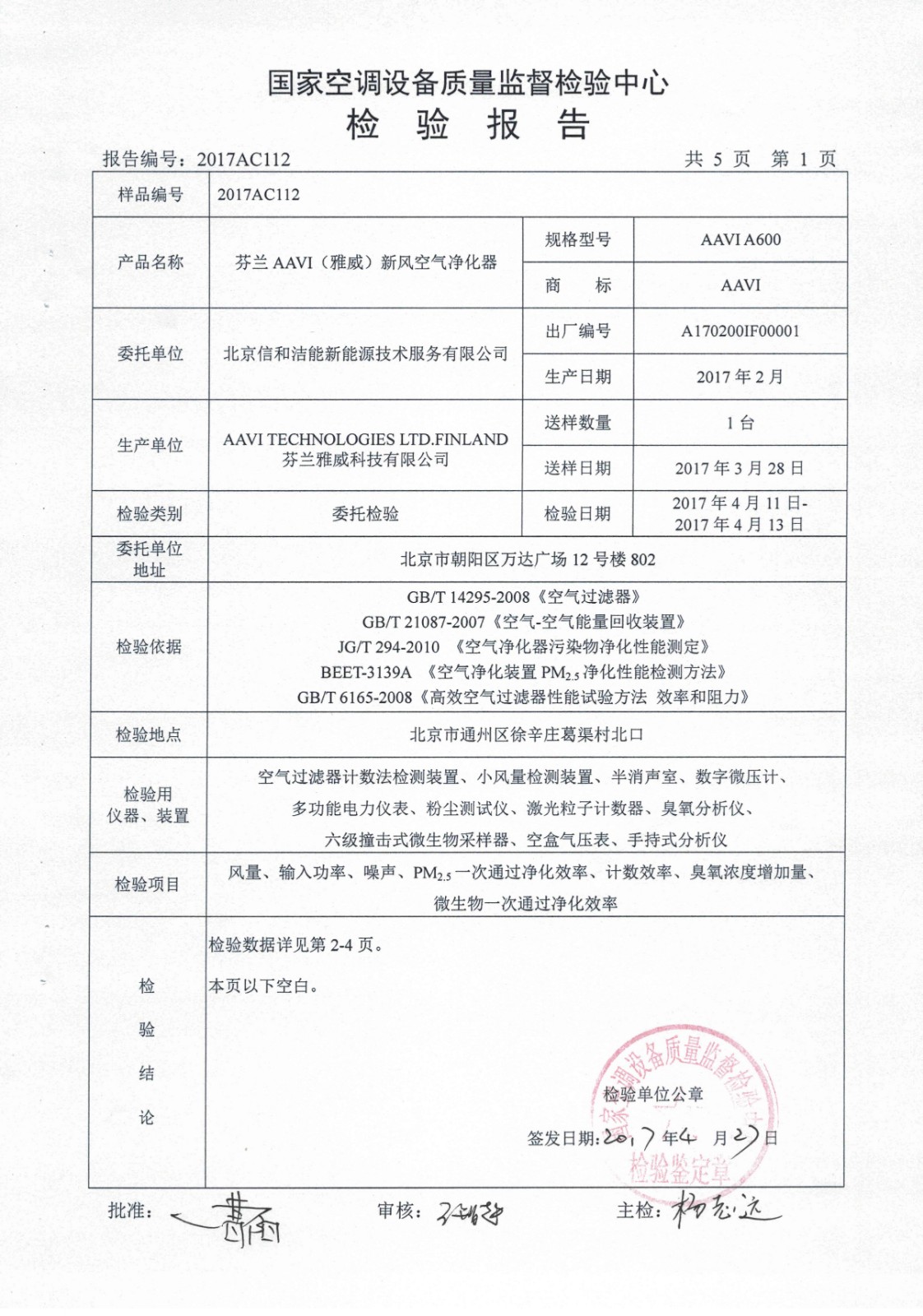
Many lower-tier assembly factories will supply CE or RoHS certificates that belong to component suppliers (e.g., the motor manufacturer) rather than the fully assembled unit. Always demand test reports for the complete machine under your specific model number.
Pricing, MOQs, and Production Realities
The cost of commercial air cleaning equipment is heavily influenced by the housing material (cold-rolled steel vs. SUS304 stainless steel), motor type, and the complexity of the internal electronics.
If you are pursuing OEM/ODM services to develop a custom enclosure or integrate proprietary smart controls, expect significant upfront tooling costs for sheet metal stamping, plastic injection molds (for bezels/louvers), and PCB development.
Planning a custom air cleaning product? We manage the entire OEM development process, from tooling to mass production.
Get a free consultationFrequently Asked Questions
Consistent quality in specialized equipment manufacturing is rarely achieved by accident. It requires rigorous supplier vetting and continuous oversight. Conducting thorough factory audits before placing a deposit is the most effective way to separate genuine manufacturers with robust engineering departments from simple trading companies or low-tier assembly workshops.
Get Sourcing Help for Other Air Cleaning Equipment
Tell us your requirements and our experts will connect you with verified manufacturers.