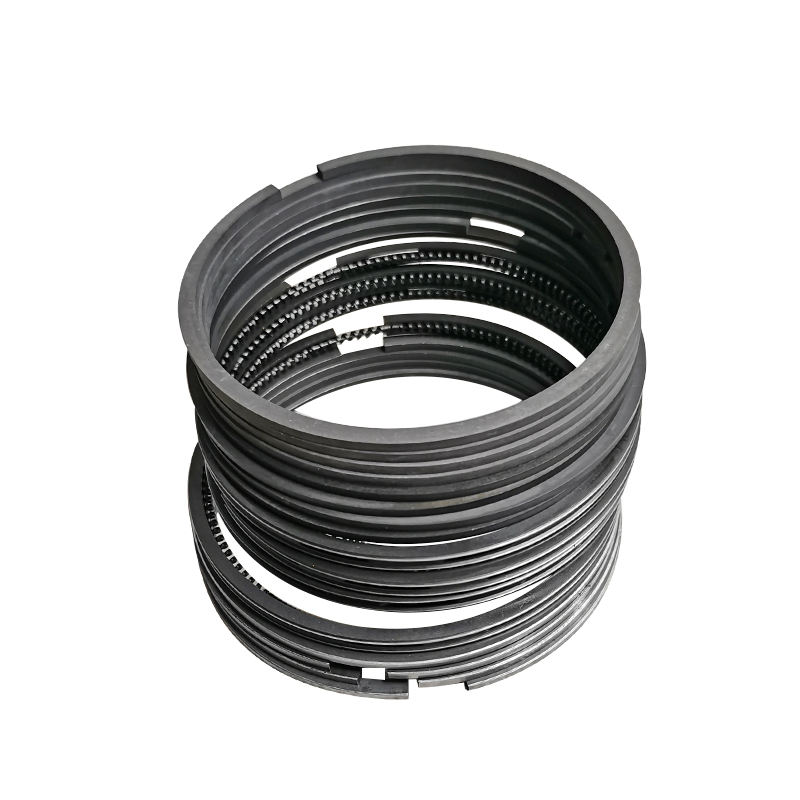
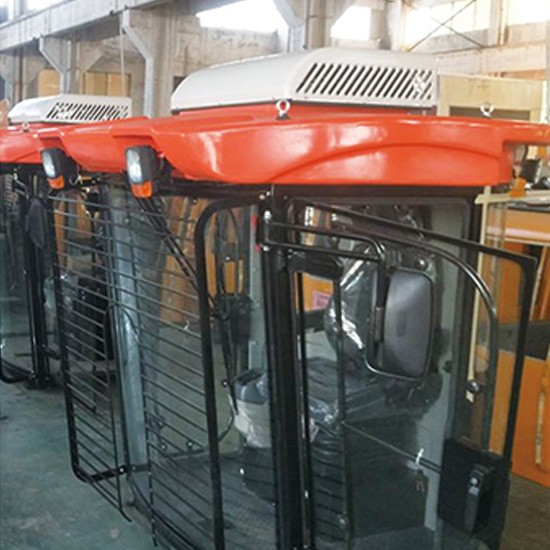
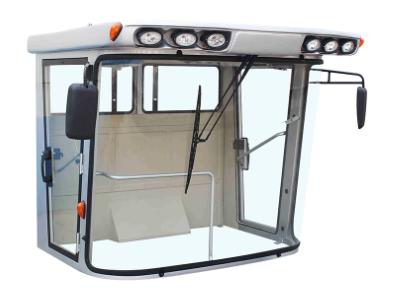
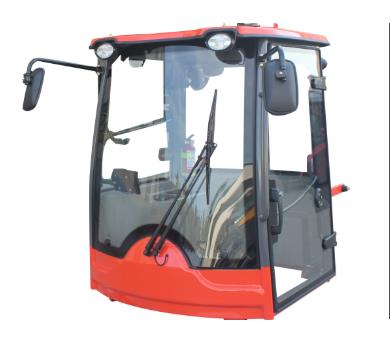
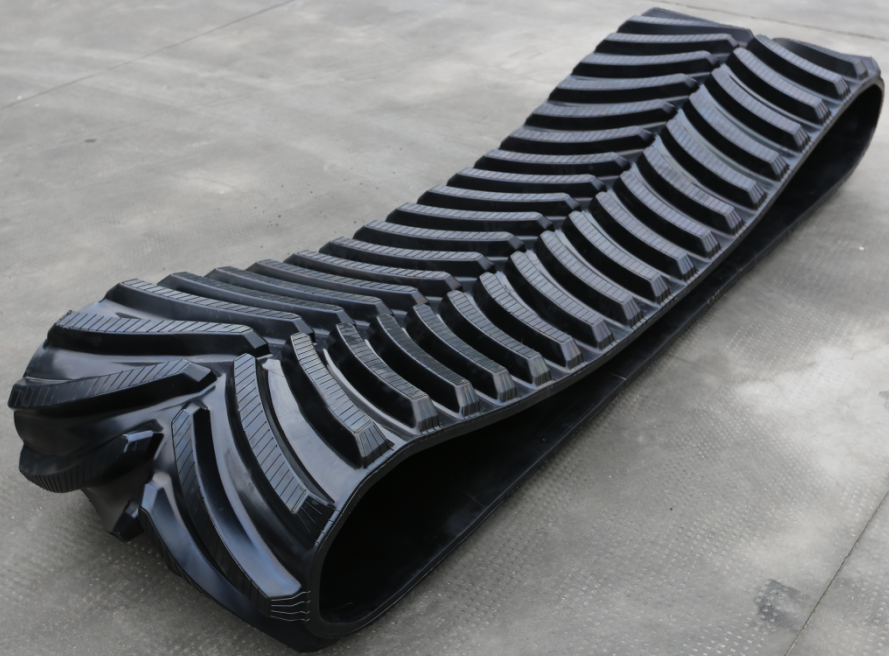
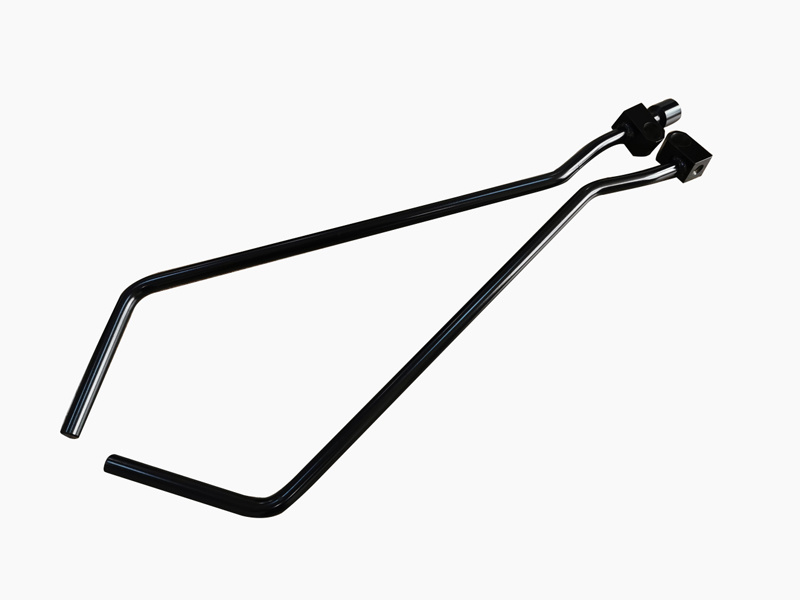
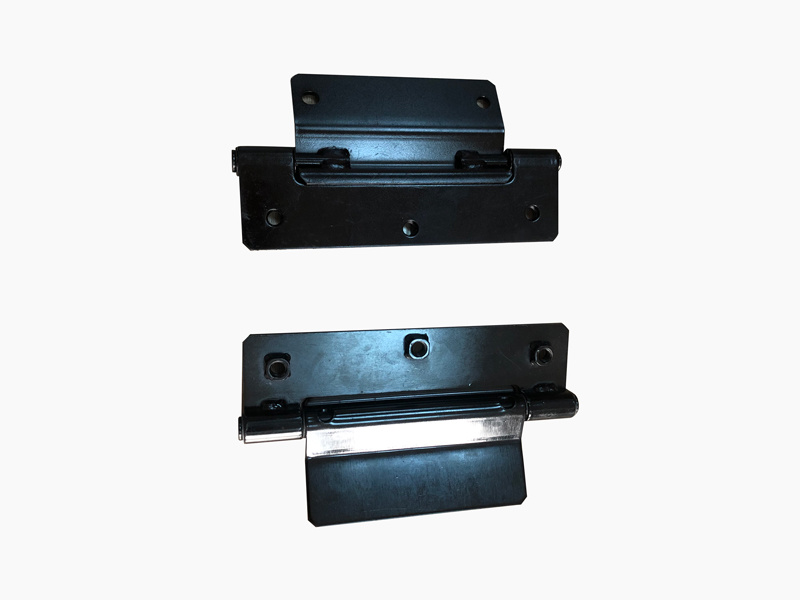
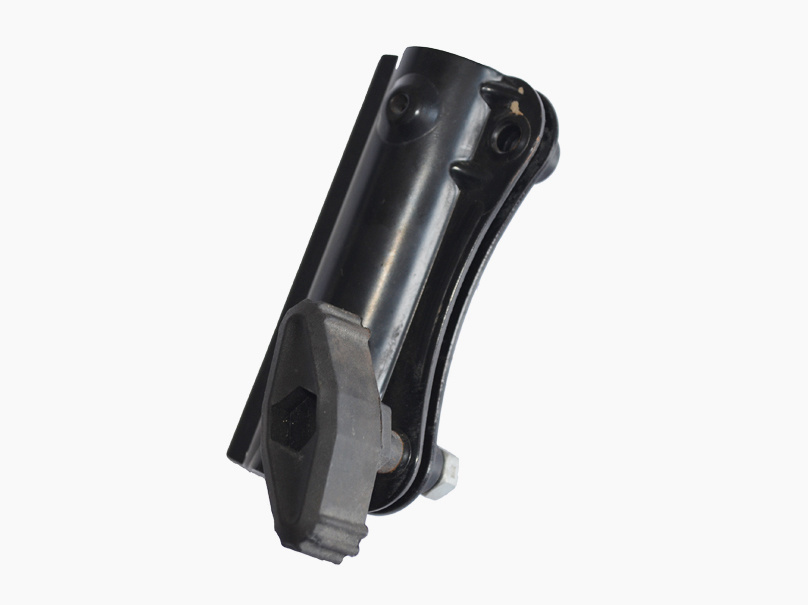
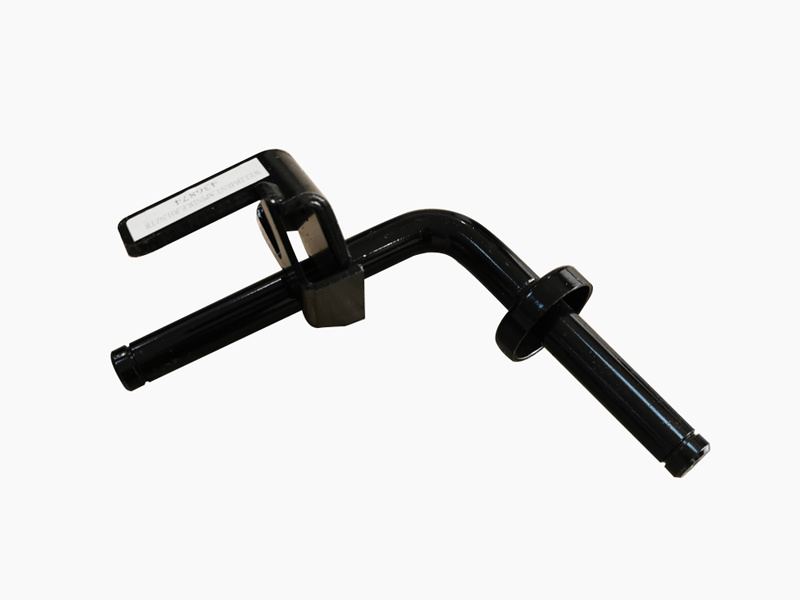
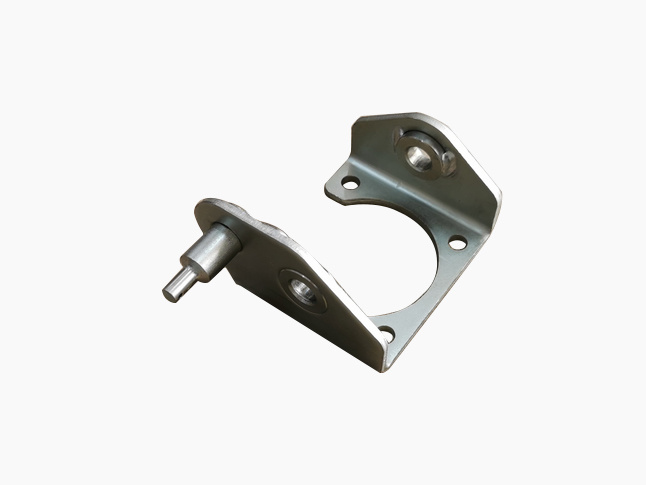
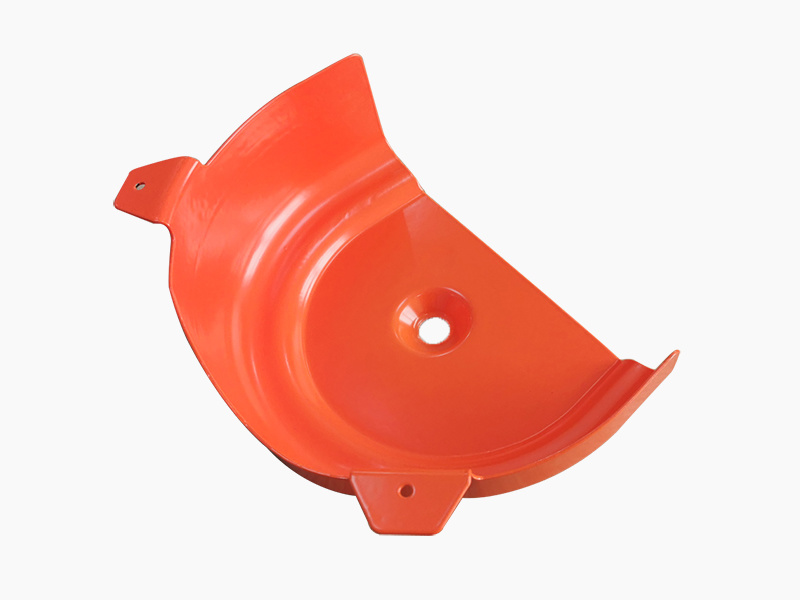
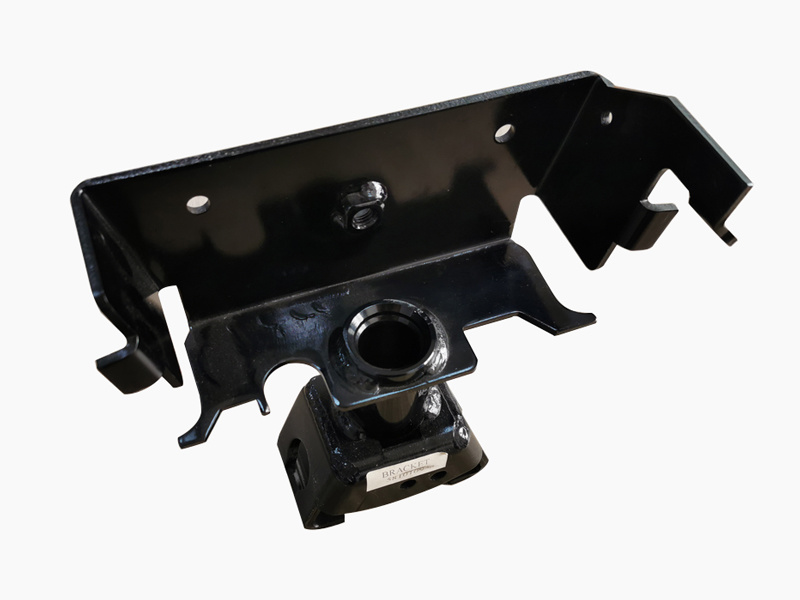
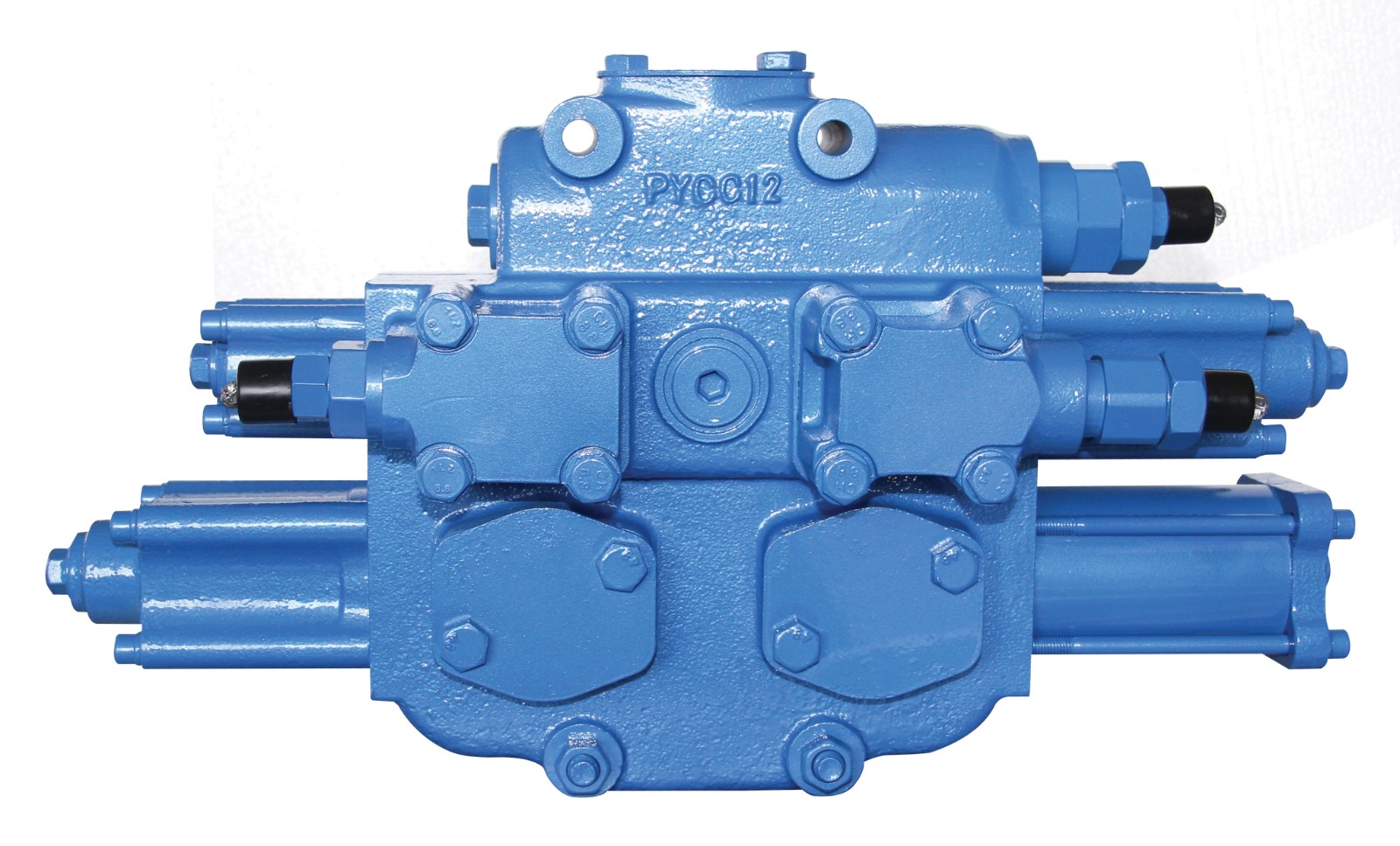
Other Agricultural Machinery Parts
Source high-quality Other Agricultural Machinery Parts directly from vetted manufacturers. Designed for importers, wholesalers, distributors, and brands seeking reliable bulk supply or custom OEM/ODM production. Secure competitive pricing on specialized agricultural components built for durability.
Sourcing specialized or non-standard agricultural machinery parts requires matching your exact component specifications with a factory's core manufacturing competencies. Because this category spans everything from custom structural linkages and specialized brackets to niche hydraulic fittings and wear-resistant components, the sourcing strategy must adapt to the specific production method required. Success depends on identifying suppliers with the right equipment—whether that is precision CNC machining, ductile iron casting, or heavy-duty metal stamping—and the quality management systems to maintain tight tolerances across high-volume production runs.
Aligning Component Specs with Factory Capabilities
The term "other parts" in agricultural machinery usually points to custom, proprietary, or highly specialized components. When engaging factories for OEM/ODM Services, you must specify the exact manufacturing process based on the part's mechanical requirements and your annual volume.
A common mistake is partnering with an assembly-focused factory rather than a primary manufacturer. If your part requires closed-die forging for high tensile strength, but the supplier outsources their forging, you lose control over both tooling quality and raw material verification.
| Manufacturing Process | Typical Application | Tooling Investment | Volume Suitability |
|---|---|---|---|
| Ductile Iron Casting | Heavy structural housings, complex geometries | Moderate | Medium to High |
| Closed-Die Forging | High-stress linkages, wear parts | High | High |
| CNC Machining | Precision pins, custom hydraulic fittings | Low (Fixtures only) | Low to Medium |
| Heavy Stamping | Brackets, protective shields, plates | High (Progressive dies) | High |
Need help matching your specialized parts to the right manufacturing process? Discuss your technical requirements with our sourcing engineers.
Talk to our teamMaterial Selection and Environmental Resistance
Agricultural machinery operates in highly abrasive, corrosive, and high-impact environments. Material specifications cannot be left to supplier interpretation.
- Wear Resistance: For ground-engaging or friction-heavy components, specify high-carbon steels (like 1045 or 65Mn) or boron steel. Ensure you define the required hardness (e.g., HRC 45-50) and the specific heat treatment process (induction hardening vs. through-hardening).
- Corrosion Protection: Fertilizers, pesticides, and constant moisture degrade standard finishes rapidly. Specify the exact surface treatment required. For galvanization, state the zinc coating thickness (e.g., 80 microns). For powder coating, demand a specific salt spray test duration (e.g., 500 hours minimum with no red rust).
Conducting thorough factory audits is critical to verify whether a supplier handles heat treatment and surface finishing in-house or relies on third-party sub-suppliers, which can introduce significant quality variations.
Quality Control for Specialized Parts
Because these parts often serve as critical interfaces between major machinery sub-systems, dimensional inaccuracies can cause catastrophic assembly failures down the line.
Critical QC Checkpoints for Agricultural Parts
- Material Composition Analysis: Require spectrometer reports to verify steel or alloy grades before production begins.
- Dimensional Tolerances: Verify critical mounting points and bore diameters using CMM (Coordinate Measuring Machine) reports.
- Hardness Testing: Test surface and core hardness using Rockwell or Brinell scales to ensure proper heat treatment.
- Coating Adhesion: Perform cross-hatch adhesion tests on painted or powder-coated surfaces.
- Weld Integrity: For fabricated parts, require ultrasonic or magnetic particle inspection on critical structural welds.
Implementing independent quality control inspections prior to shipment is the only reliable way to ensure that the bulk order matches the approved golden sample.
Buying Mechanics: MOQs, Tooling, and Lead Times
Pricing and minimum order quantities (MOQs) in this category are heavily dictated by the manufacturing process and the tooling required. Custom parts necessitate upfront investment in molds, dies, or specialized fixtures.
When negotiating tooling costs, clarify ownership upfront. Ensure your contract explicitly states that you own the tooling and have the right to move it to another facility once a specific production threshold is met.
Evaluate your tooling costs, MOQs, and unit pricing strategies with a dedicated sourcing expert.
Get a free consultationFrequently Asked Questions
Sourcing specialized agricultural machinery parts is an exercise in precise technical communication and rigorous capability matching. By defining your material grades, tolerances, and testing protocols clearly from day one, you protect your supply chain from costly assembly delays and field failures.
Get Sourcing Help for Other Agricultural Machinery Parts
Tell us your requirements and our experts will connect you with verified manufacturers.