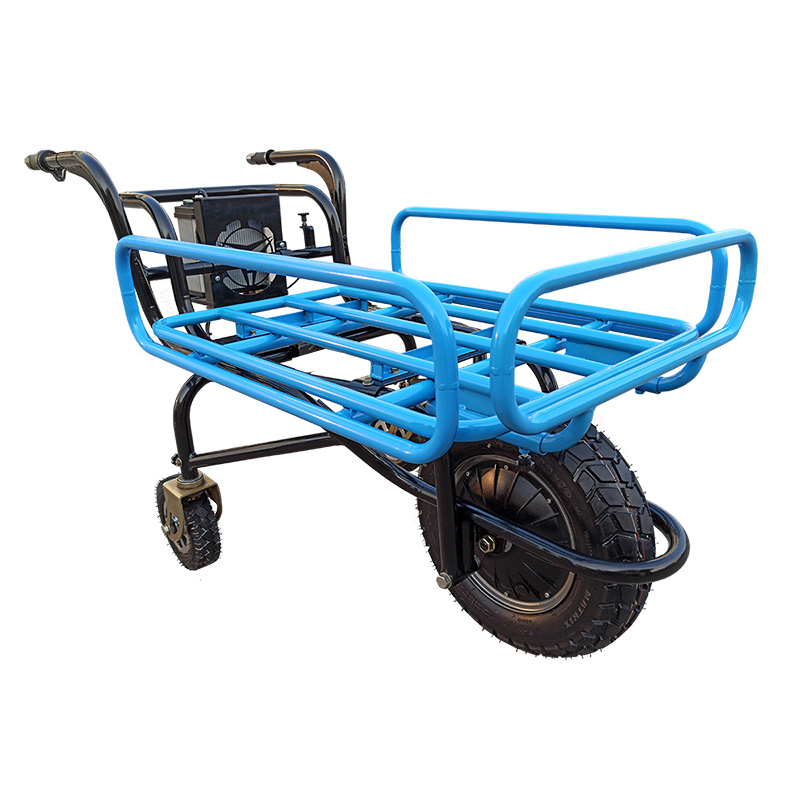
Other Agricultural Carrying Machinery
Source Other Agricultural Carrying Machinery from vetted manufacturers and suppliers. This category serves importers, agricultural equipment distributors, and brands seeking OEM production for specialized field transport solutions. Find reliable partners for bulk orders of track barrows, harvest carts, and custom carrying machinery.
When sourcing specialized agricultural carrying machinery—ranging from niche harvest platforms to motorized track barrows—the primary challenge is balancing high load capacities with rough-terrain durability. Standardized material handling equipment often fails in agricultural environments due to mud, uneven ground, and corrosive fertilizers. For buyers sourcing in volume, specifying the exact metallurgical, structural, and powertrain requirements is essential to ensure long-term reliability in the field.
Critical Specifications for Field Transport
Procuring specialized carrying machinery requires moving beyond generic load ratings. Buyers must dictate the structural realities of the equipment to the manufacturer.
- Chassis and Frame Materials: Ensure the factory uses appropriate steel grades. Q235 carbon steel is common for standard manual carts, but powered or high-capacity carrying machinery should utilize Q345 or higher-yield structural steel. Specify tubular steel wall thickness; anything under 2.5mm is generally insufficient for motorized agricultural loads.
- Undercarriage and Traction: For powered units, specify whether the application requires pneumatic agricultural tires (chevron tread for mud clearance) or continuous rubber tracks. Tracked undercarriages require specific tensioning mechanisms and reinforced bogie wheels to prevent track derailment on side-hills.
- Surface Treatment: Agricultural environments expose machinery to high moisture and corrosive chemicals.
| Treatment Type | Corrosion Resistance | Impact Tolerance | Typical Application |
|---|---|---|---|
| Standard Paint | Low | Low (Chips easily) | Light-duty manual carts |
| Powder Coating | Moderate to High | Moderate | Dry environment transport |
| Hot-Dip Galvanized | Excellent | High | Fertilizer & wet crop handling |
Need help validating a supplier's engineering and production capabilities for custom agricultural machinery?
Talk to our teamManufacturing Quality & Defect Prevention
The difference between a reliable piece of agricultural machinery and one that fails mid-harvest is usually found in the welding and assembly stages. When evaluating a new supplier, robust Factory Audits are necessary to verify their metalworking capabilities. Look for facilities utilizing robotic welding for critical chassis joints, as manual welding on thick-walled tubing is highly susceptible to inconsistent penetration.
Key Pre-Shipment Inspection Points
Before finalizing any container loading, a stringent Quality Control & Inspection protocol must be executed at the factory.
Critical Inspection Checklist for Carrying Machinery
- Weld penetration and spatter check on all primary load-bearing joints.
- Powder coat adhesion testing (cross-hatch test) to ensure proper surface prep.
- Dynamic load testing at 120 percent of rated capacity on an incline.
- Engine/motor startup and idle stability (for powered units).
- Track tension and bogie wheel alignment verification.
Sourcing Realities: MOQs, Pricing, and Customization
The manufacturing landscape for niche agricultural machinery is heavily concentrated in industrial hubs like Shandong and Zhejiang provinces in China. Pricing and minimum order quantities (MOQs) vary significantly based on whether you are buying off-the-shelf designs or utilizing OEM/ODM Services for proprietary equipment.
Tooling Costs for OEM
If you are developing a custom carrying platform, expect to pay upfront tooling costs for custom stamping dies or specialized track molds. These costs are often amortized or refunded after ordering a predetermined volume (typically over 1,000 units).
Discuss your volume requirements, customization needs, and target pricing with our sourcing experts.
Get a free consultationFrequently Asked Questions
Securing reliable agricultural carrying machinery requires looking past the glossy product photos to interrogate the factory's structural engineering, welding consistency, and component sourcing. By defining strict technical specifications and enforcing rigorous quality control, you can build a resilient supply chain for your agricultural equipment catalog.
Get Sourcing Help for Other Agricultural Carrying Machinery
Tell us your requirements and our experts will connect you with verified manufacturers.