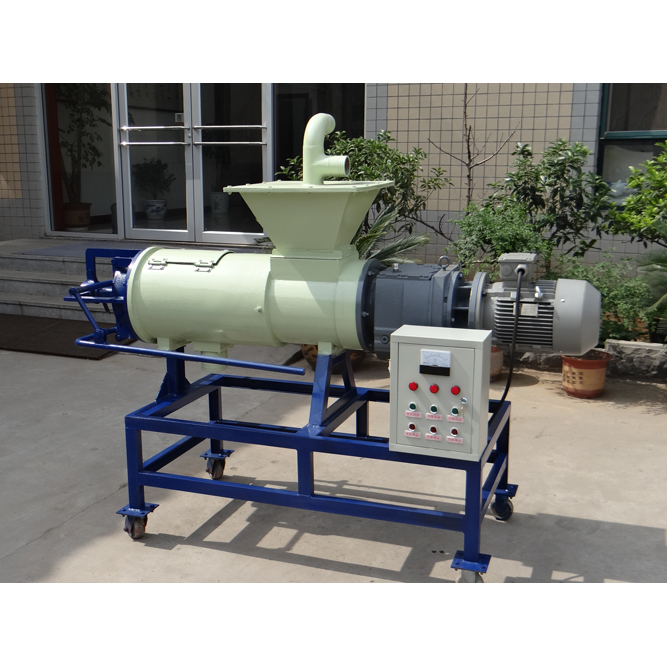
Organic Fertilizer Equipment
Source commercial-grade organic fertilizer equipment from vetted manufacturers and wholesale suppliers. Designed for importers, agricultural distributors, and brands requiring OEM/ODM production, our factory-direct network ensures reliable performance, competitive pricing, and scalable manufacturing solutions for bulk procurement.
Sourcing commercial organic fertilizer machinery requires balancing high throughput demands with severe operating environments. Raw compost, fermented manure, and organic additives are highly corrosive and abrasive. Specifying the right equipment means scrutinizing metallurgical choices, motor reliability, and dynamic balancing long before the machinery leaves the factory floor.
Critical Specifications & Material Selection
The primary failure point for organic fertilizer equipment is corrosion and premature wear on contact parts. When negotiating with manufacturers, the bill of materials must be explicitly detailed. Relying on "standard export quality" often results in carbon steel components that rust rapidly in high-moisture, acidic environments.
| Component | Standard Spec (Low Cost) | Heavy-Duty Spec (Corrosive) |
|---|---|---|
| Contact Parts | Q235 Carbon Steel (Painted) | SUS304 / SUS316 Stainless Steel |
| Blades & Teeth | Standard Forged Alloy | Tungsten Carbide Coated |
| Drive Motors | Domestic Standard (IP44) | Siemens / ABB (IP55 or higher) |
| Control Panels | Local Switchgear | Schneider / Omron PLC Systems |
Upgrading to SUS304 stainless steel for hoppers, granulator drums, and mixing shafts will increase the unit cost by 20 to 40 percent, but it is non-negotiable for processing high-moisture organic matter.
Manufacturing Tolerances and Quality Control
Heavy agricultural machinery is prone to intense vibration. If the factory lacks proper testing protocols, unbalanced rotors or poor welding will lead to catastrophic failure during operation. Implementing rigorous quality control during production and prior to shipment is essential.
Pre-Shipment Inspection Focus Areas
- Dynamic balancing reports for all high-speed rotors and granulator shafts.
- Welding seam inspection (continuous, slag-free welds to prevent corrosion pockets).
- Electrical compliance checks (CE/UL certification verification for all panel components).
- No-load trial runs for a minimum of 4 hours to monitor bearing temperatures and vibration.
- Verification of customized voltage and frequency settings for the destination market.
Ensure your equipment meets strict operational tolerances. Let's discuss your technical requirements and factory vetting strategy.
Talk to our teamPricing, MOQs, and Lead Times
The manufacturing landscape for fertilizer equipment is highly fragmented, ranging from advanced engineering firms to basic assembly workshops. Conducting thorough factory audits is the only way to verify true production capacity and in-house machining capabilities.
Pricing is heavily indexed to global steel costs and the origin of the electrical components.
Navigating heavy machinery procurement requires precise coordination from the factory floor to the final port. We can manage the entire process.
Get a free consultationBuyer FAQ
The true cost of organic fertilizer equipment is measured in uptime and longevity. Investing time in specifying proper material grades, vetting the factory's machining capabilities, and enforcing rigorous pre-shipment testing pays dividends when the line is running at full capacity.
Get Sourcing Help for Organic Fertilizer Equipment
Tell us your requirements and our experts will connect you with verified manufacturers.