Openers
Source high-quality openers in bulk directly from vetted manufacturers and suppliers. Designed for importers, wholesalers, and brands seeking reliable OEM and private-label production, our network delivers consistent quality and competitive pricing for all your kitchen tool sourcing needs.
Sourcing kitchen openers in volume requires a strict balance between material durability, mechanical precision, and unit cost. Whether you are procuring geared manual can openers, heavy-duty zinc-alloy corkscrews, or multi-function bottle openers, the primary challenge is ensuring consistent mechanical reliability across high-volume production runs. A poorly toleranced gear or a sub-standard metal alloy can lead to immediate product failure, driving up return rates and damaging brand reputation.
Material Specifications and Component Quality
The lifespan of an opener is dictated by the materials used in its high-stress components: the cutting blade, the worm (helix), and the gear mechanism. Relying on generic supplier specifications often results in material substitution. You must explicitly define the steel grades and plating requirements in your purchase orders.
For cutting wheels and blades, 420J2 stainless steel is the industry standard for premium models due to its ability to hold a hardened edge (typically heat-treated to HRC 45-50). Lower-cost alternatives often use unhardened carbon steel, which requires heavy chrome plating to resist rust and dulls rapidly.
| Component | Standard Market | Premium / Commercial |
|---|---|---|
| Blade / Worm | Carbon steel with chrome plating | 420J2 or 304 Stainless Steel |
| Body / Handle | ABS plastic or stamped mild steel | Zinc Alloy die-cast or 304 SS |
| Gears | Stamped steel | Powder metallurgy or machined hardened steel |
Ensure your material specifications are strictly met on the factory floor.
Talk to our teamManufacturing Tolerances and Quality Control
Openers rely on moving parts and tight tolerances. In gear-driven can openers, a tolerance deviation of just a fraction of a millimeter between the traction wheel and the cutting blade will cause the mechanism to slip or shred the can label rather than cutting the metal.
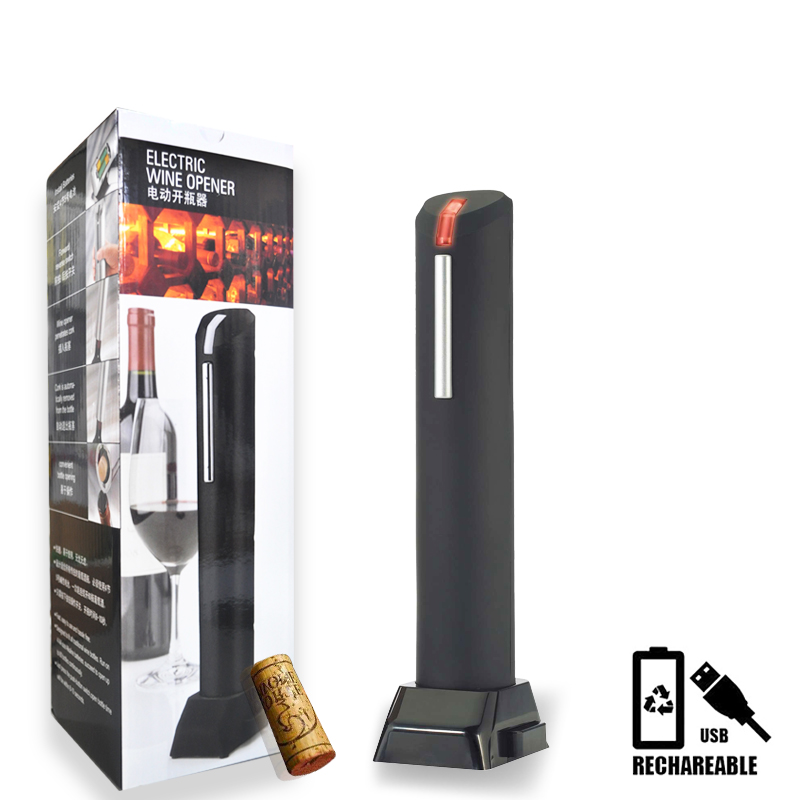
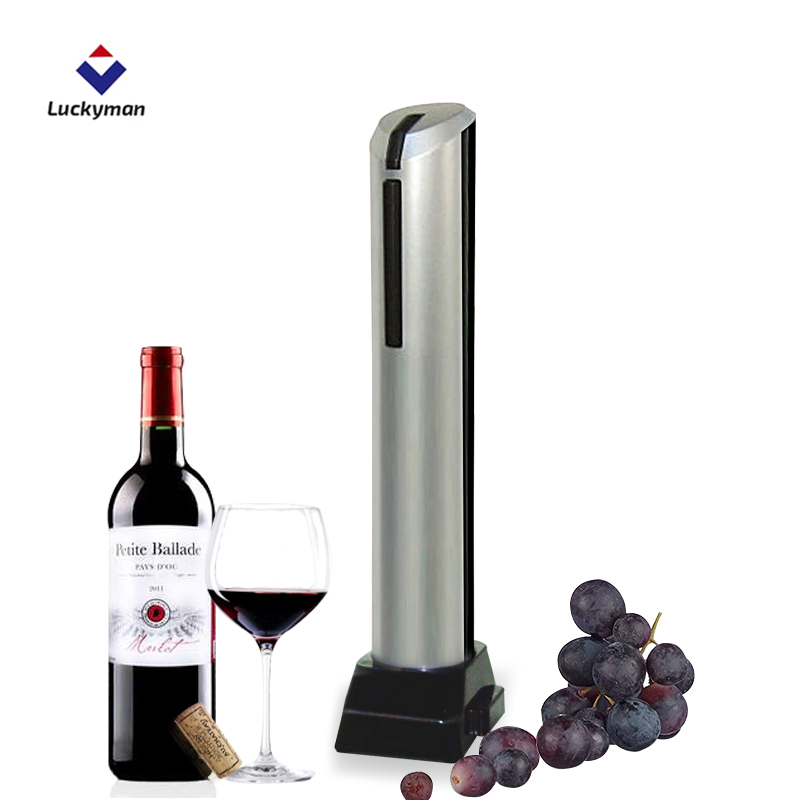
When conducting Quality Control & Inspection at the factory level, inspectors must focus on both functional testing and finish durability. Zinc alloy handles, common in premium wine openers, are typically electroplated. Poor surface preparation before plating leads to blistering and flaking.
Critical Factory Inspection Points for Openers
- Salt spray testing (minimum 24 to 48 hours) to verify plating integrity against kitchen moisture.
- Hardness testing (HRC) on cutting blades and worms to ensure edge retention.
- Functional load testing: opening a standardized sample size of cans or synthetic corks to check for gear slippage or worm deformation.
- Handle torque testing to ensure plastic or wooden grips do not detach from the metal tang under heavy rotational force.
Purchasing Mechanics: MOQs, Lead Times, and Customization
The manufacturing hub for kitchen gadgets and openers is heavily concentrated in Guangdong province (particularly Yangjiang for bladed tools) and Zhejiang province. When sourcing from these regions, pricing is heavily dependent on raw material costs (zinc and stainless steel) and the level of customization required.
Brands looking for unique ergonomic designs or proprietary mechanisms will utilize OEM/ODM Services. Custom tooling for zinc alloy die-casting is relatively affordable compared to large plastic injection molds, making proprietary designs accessible for mid-sized brands. However, verifying the supplier's in-house tooling and engineering capabilities through comprehensive Factory Audits is essential before paying mold fees.
Streamline your kitchen gadget supply chain and negotiate better terms.
Get a free consultationFrequently Asked Questions
Successfully sourcing openers at scale means looking past the polished samples and interrogating the factory's material controls and assembly tolerances. Partnering with a sourcing team that understands the mechanical requirements of kitchen gadgets ensures your bulk orders meet the durability standards your buyers expect.
Get Sourcing Help for Openers
Tell us your requirements and our experts will connect you with verified manufacturers.