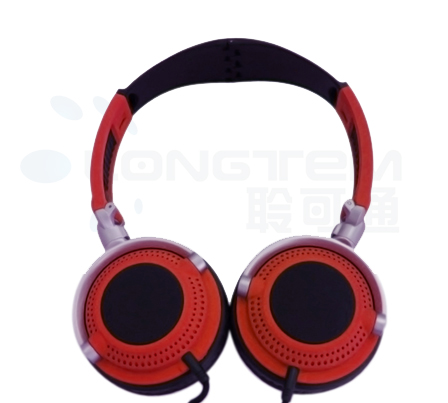
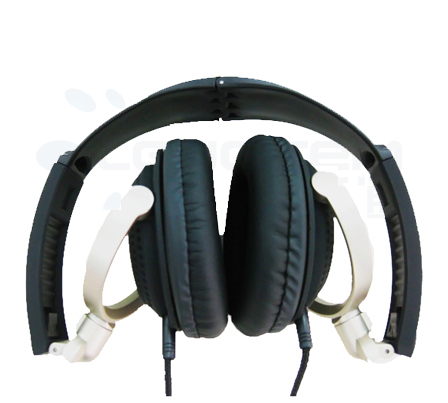
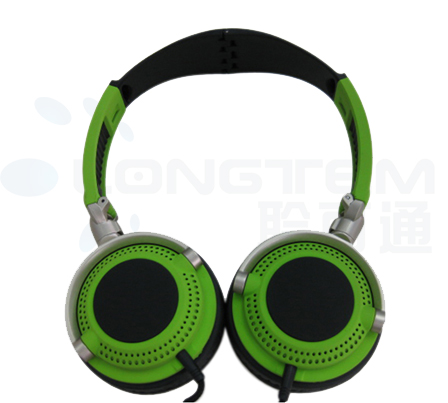
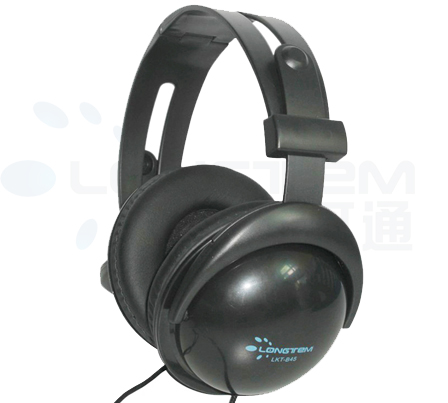
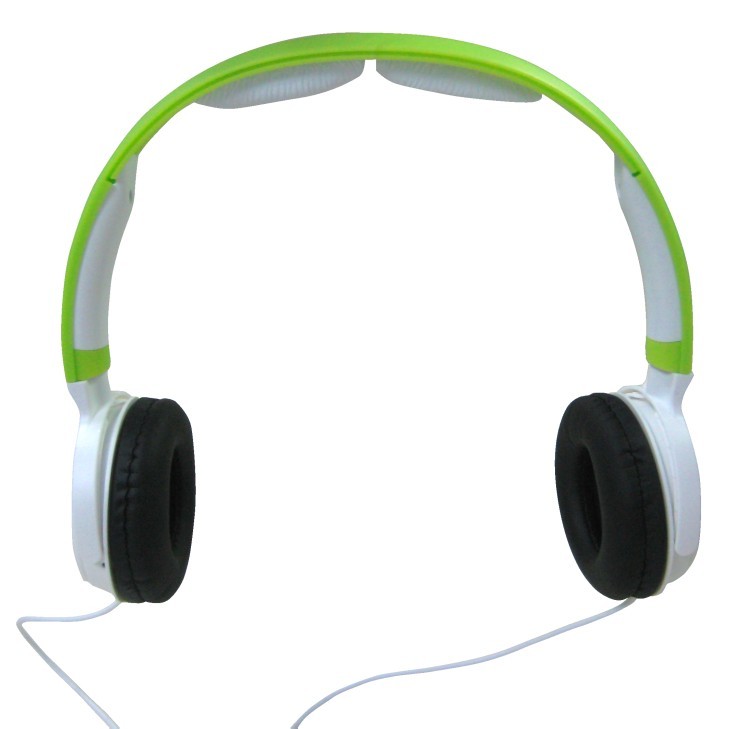
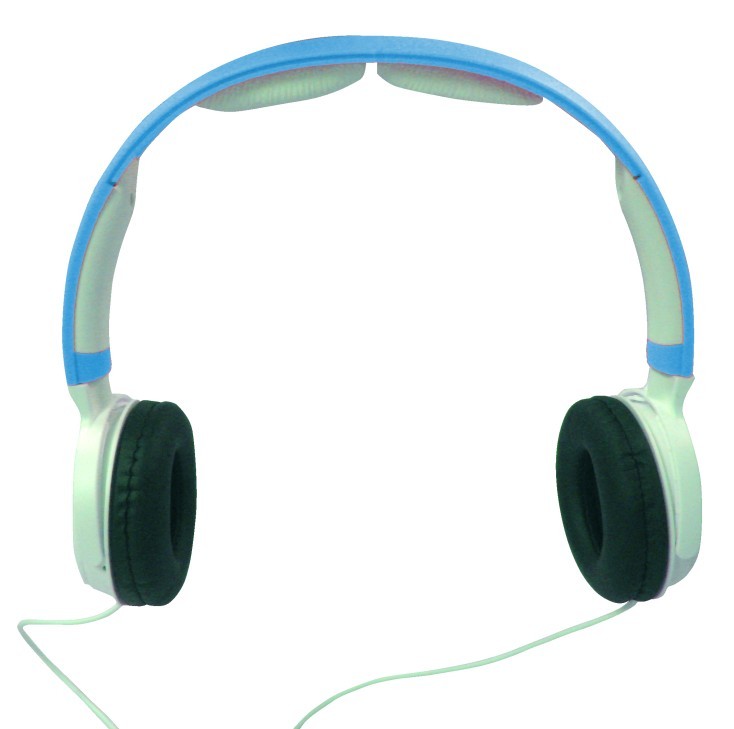
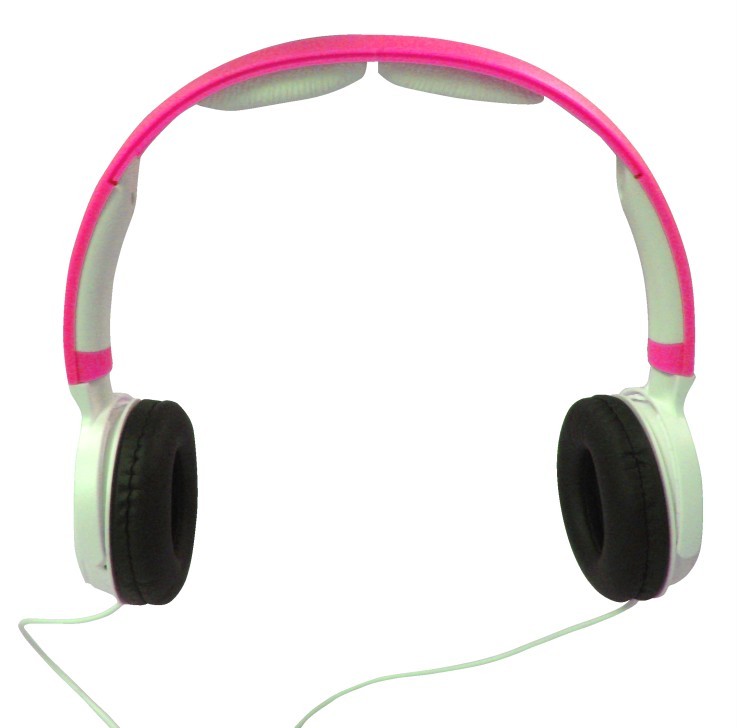
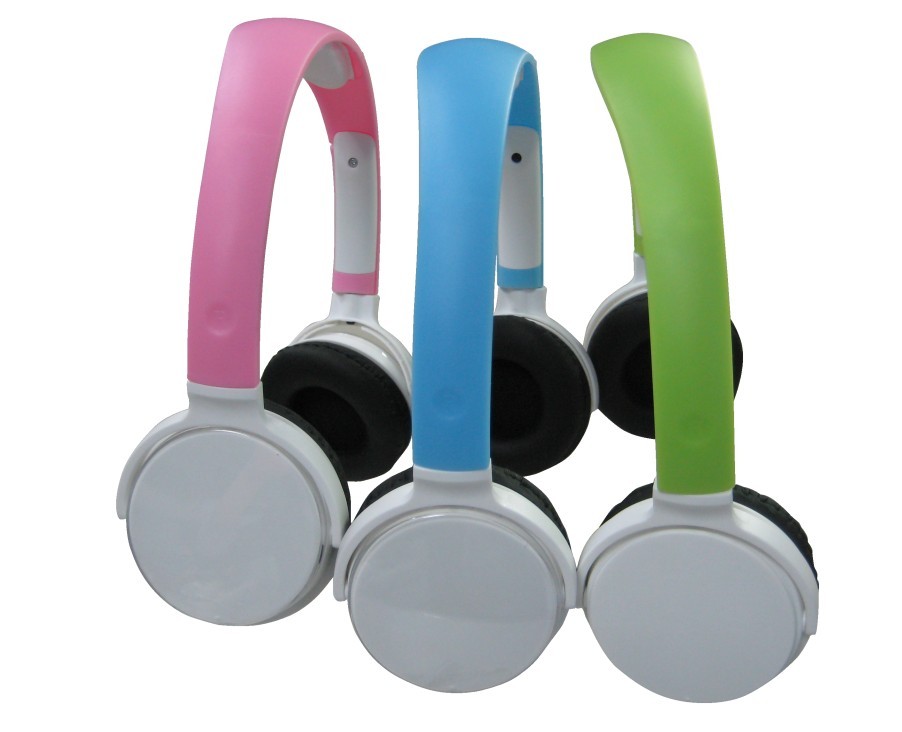
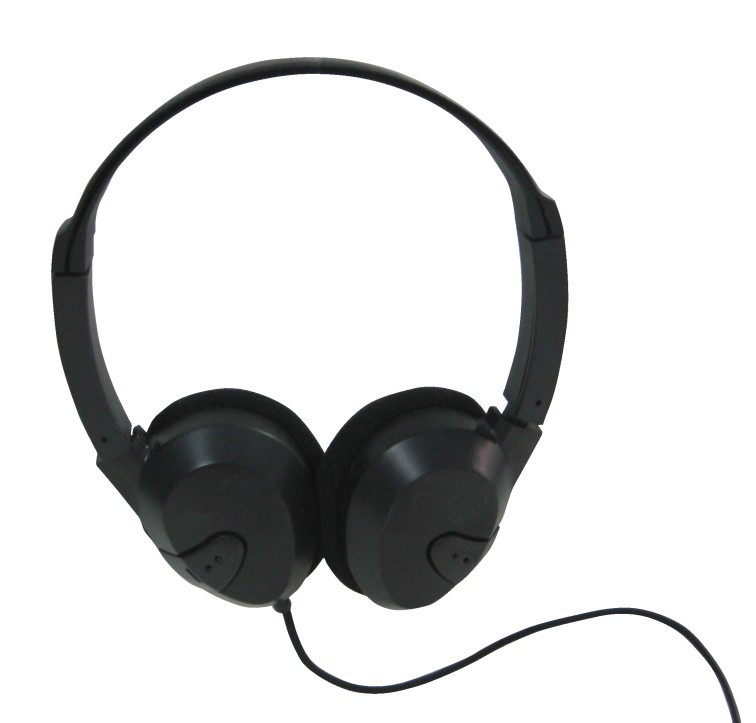
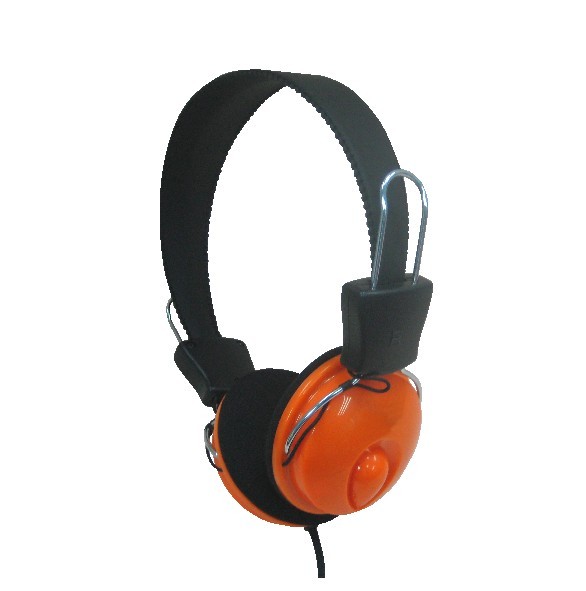
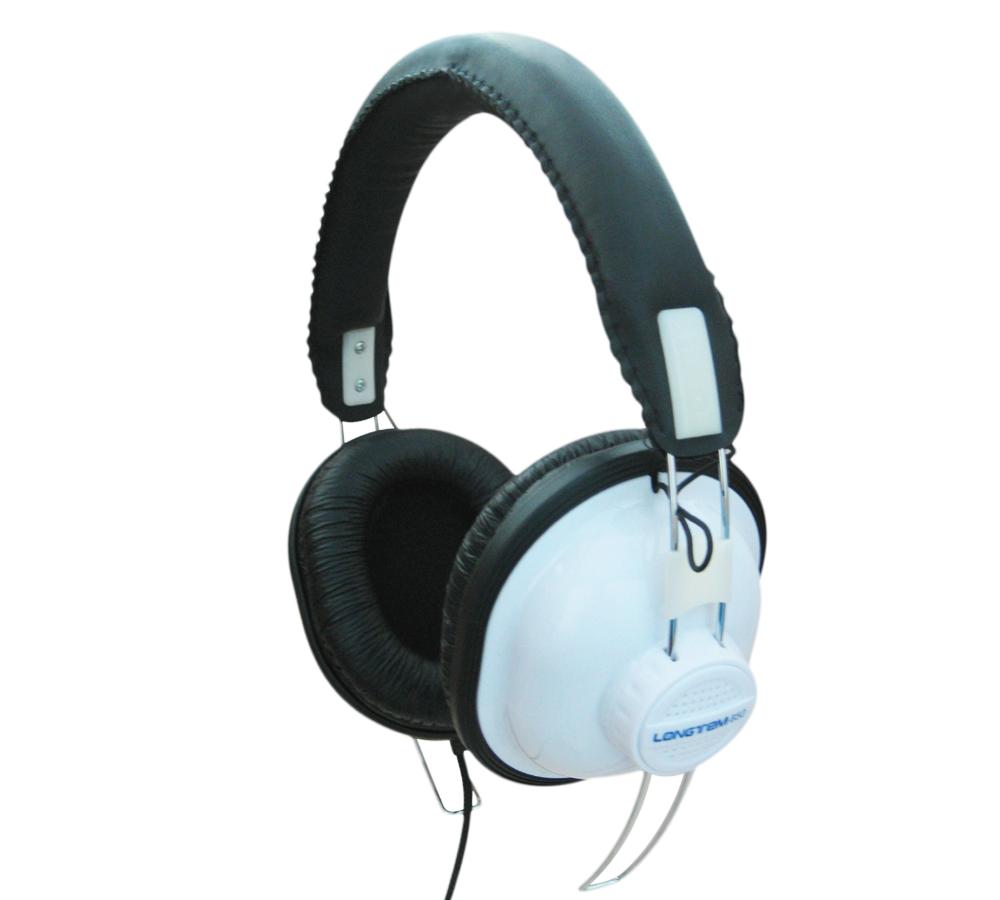
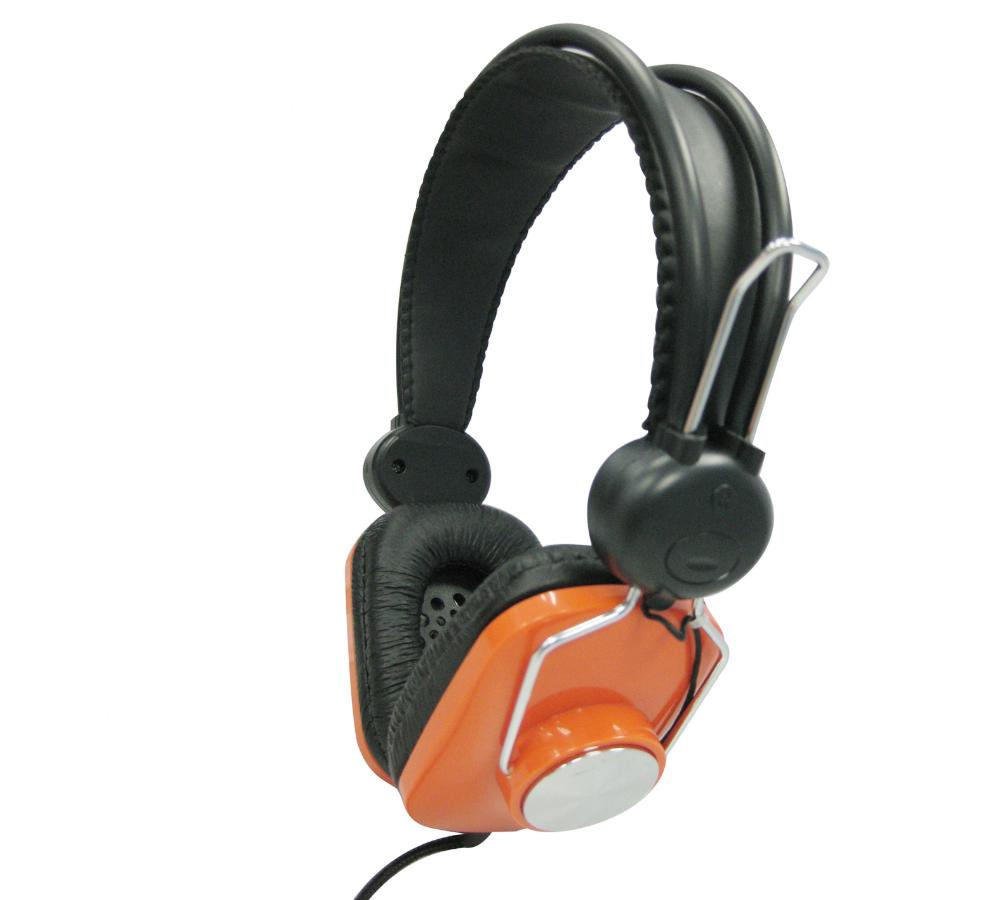
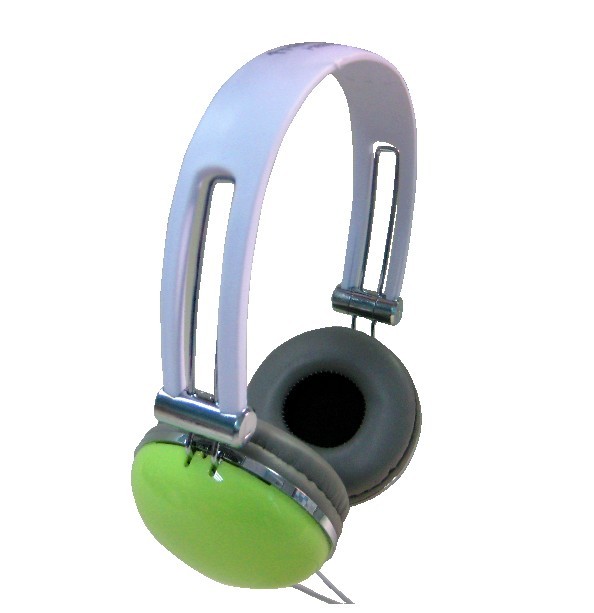
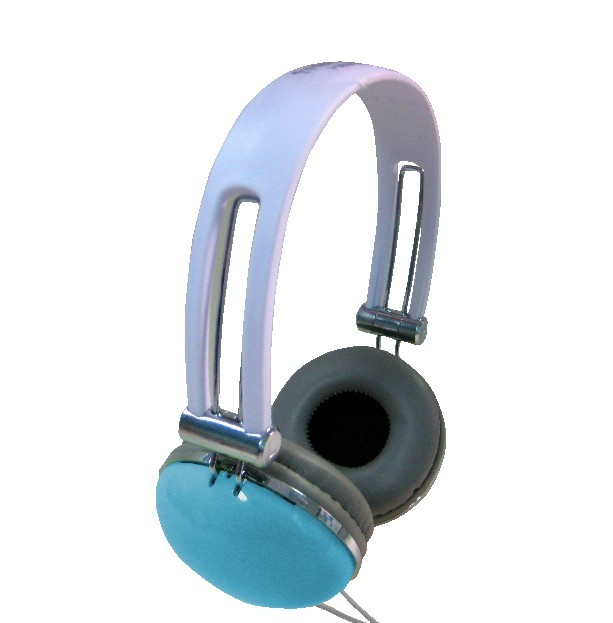
On-Ear & Over-Ear Headphones
Source premium On-Ear & Over-Ear Headphones directly from vetted manufacturers and suppliers. Designed for importers, distributors, and electronics brands seeking reliable bulk purchasing or custom OEM/private-label production, this catalog connects you with factories capable of delivering high-fidelity audio at scale.
Sourcing on-ear and over-ear headphones requires balancing acoustic performance, ergonomic design, and bill-of-materials (BOM) costs. Unlike true wireless earbuds, where miniaturization is the primary hurdle, large-format headphones present distinct manufacturing challenges: acoustic chamber tuning, headband hinge durability, and active noise cancellation (ANC) integration. Securing a reliable factory means looking past basic shell designs and scrutinizing their acoustic engineering capabilities and supply chain for critical components.
Core Specifications and Component Selection
The perceived value of a headphone is dictated by its internal components. When negotiating with suppliers, you must specify the exact hardware rather than relying on generic "high quality" claims.
Drivers and Acoustic Tuning
The transducer is the heart of the headphone. Standard over-ear models typically utilize 40mm to 50mm dynamic drivers.
- Diaphragm Material: Entry-level units use standard PET or Mylar. Premium models utilize titanium-coated, graphene, or biocellulose diaphragms for faster transient response and reduced distortion at high volumes.
- Magnets: Neodymium (NdFeB) magnets are standard; ensure the supplier specifies the magnetic flux grade (e.g., N40 or N50) to guarantee driving power.
- Impedance & Sensitivity: Mobile-focused Bluetooth headphones usually sit around 32 ohms. Sensitivity should be specified (typically 95 to 105 dB/mW) to ensure adequate volume from internal amplifiers.
Bluetooth and ANC Chipsets
For wireless models, the system-on-chip (SoC) dictates connectivity stability, codec support, and ANC performance.
- Premium Tier: Qualcomm (QCC3000/5000 series) offers aptX support, superior power management, and robust hybrid ANC.
- Mid-Tier: BES and Airoha provide excellent value, supporting reliable hybrid ANC (capable of reducing ambient noise by 25 to 35 decibels) at a lower BOM cost.
- Entry-Level: Bluetrum or JL (Jieli) are common in budget models. They handle basic Bluetooth audio well but struggle with advanced ANC or multipoint connectivity.
Struggling to match your target BOM cost with the right acoustic components? Let us help you identify factories with the engineering capabilities you need.
Talk to our teamManufacturing Quality and Common Defects
Headphone manufacturing involves precise plastic injection molding, PCB soldering, and acoustic sealing. A factory's assembly line must maintain strict tolerances; even a millimeter gap in the acoustic chamber will destroy bass response and ANC effectiveness.
Implementing rigorous Quality Control & Inspection is non-negotiable. Look for factories that utilize automated audio testing rigs (like SoundCheck or Audio Precision) at the end of the line, rather than relying solely on human listening tests.
Critical In-Line QC Checks for Headphones
- Acoustic Chamber Sealing: Pressure testing to ensure no air leaks that degrade ANC and bass.
- Hinge and Headband Stress Testing: Minimum 5,000 to 10,000 fold/stretch cycles to prevent plastic fatigue.
- L/R Channel Matching: Ensuring volume and frequency response variance is under 2dB between left and right earcups.
- Battery Safety: Verifying NTC thermistor placement and overcharge protection circuitry.
OEM/ODM Customization and CMF
Most buyers utilize OEM/ODM Services to bring their headphone lines to market. Choosing an existing ODM "white label" mold saves tooling costs (which can range from $5,000 to $15,000 for a new over-ear design) and reduces time-to-market.
Differentiation is achieved through CMF (Color, Materials, Finish). Earpad materials drastically affect both comfort and sound isolation. Protein leather with high-density memory foam is standard for premium models, while budget models use basic PU leather and standard acoustic foam. Ensure your supplier can source consistent, high-grade materials that will not flake or degrade after six months of use.
| Specification | Budget ODM | Premium OEM |
|---|---|---|
| Driver Size & Material | 40mm PET | 50mm Titanium-Coated |
| Bluetooth SoC | Jieli / Bluetrum | Qualcomm QCC Series |
| ANC Implementation | None / Feedforward Only | Hybrid (Feedforward + Feedback) |
| Earpad Material | Standard PU Leather | Protein Leather + Memory Foam |
Pricing, MOQs, and Production Lead Times
Headphone pricing is highly elastic, driven entirely by component selection and order volume.
When sourcing, verifying the manufacturer's actual production capacity is crucial. Many suppliers on B2B directories are trading companies, not the actual assemblers. Conducting thorough Factory Audits ensures you are dealing directly with the source, protecting your margins and ensuring accountability for defect rates.
Need to verify a supplier's capacity or negotiate better terms? We manage the entire vetting and procurement process on the ground in Asia.
Get a free consultationFrequently Asked Questions
Successfully sourcing on-ear and over-ear headphones requires a deep understanding of acoustic components, strict quality control oversight, and careful supplier vetting. By defining your specifications clearly and partnering with capable manufacturers, you can deliver highly competitive audio products to your target market.
Get Sourcing Help for On-Ear & Over-Ear Headphones
Tell us your requirements and our experts will connect you with verified manufacturers.