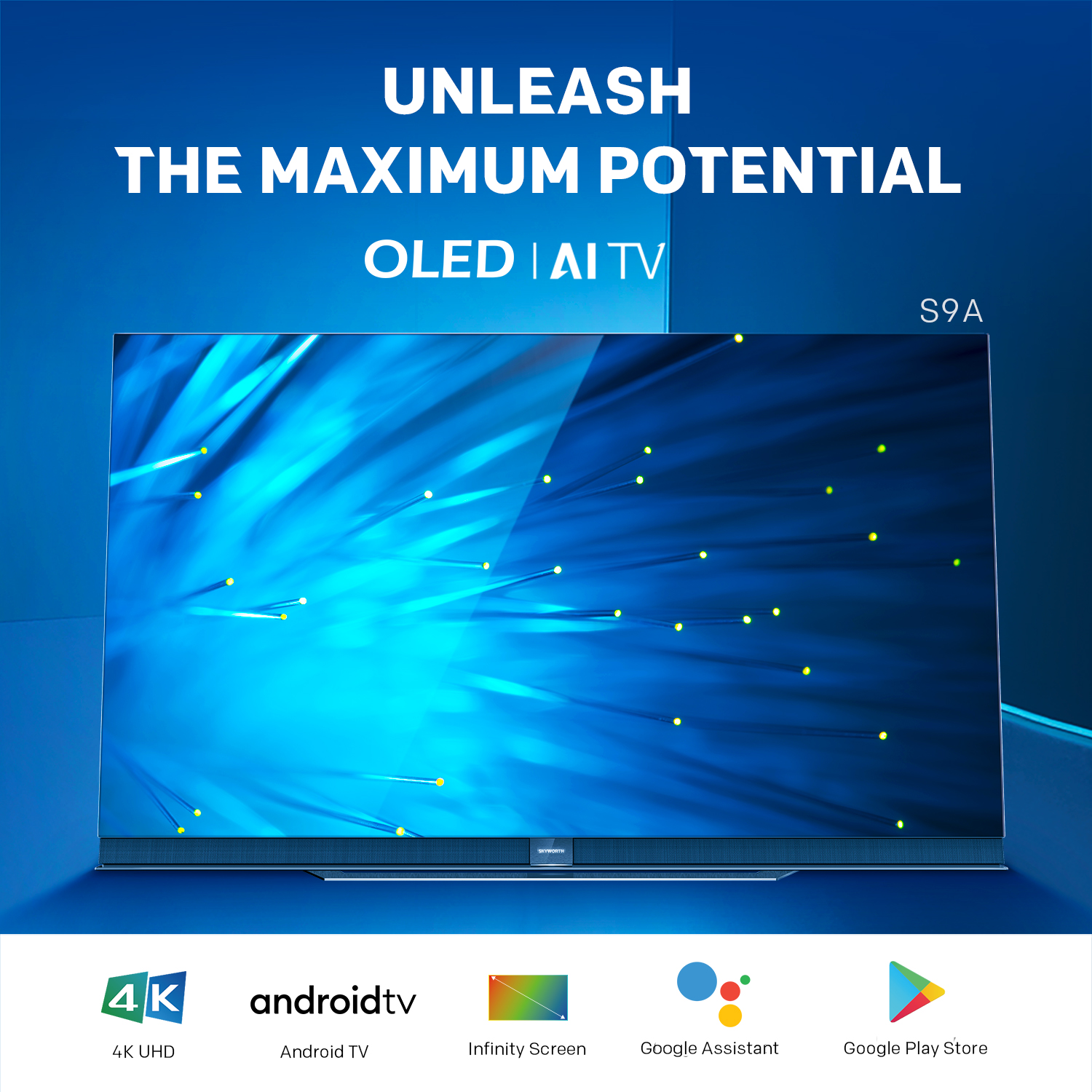
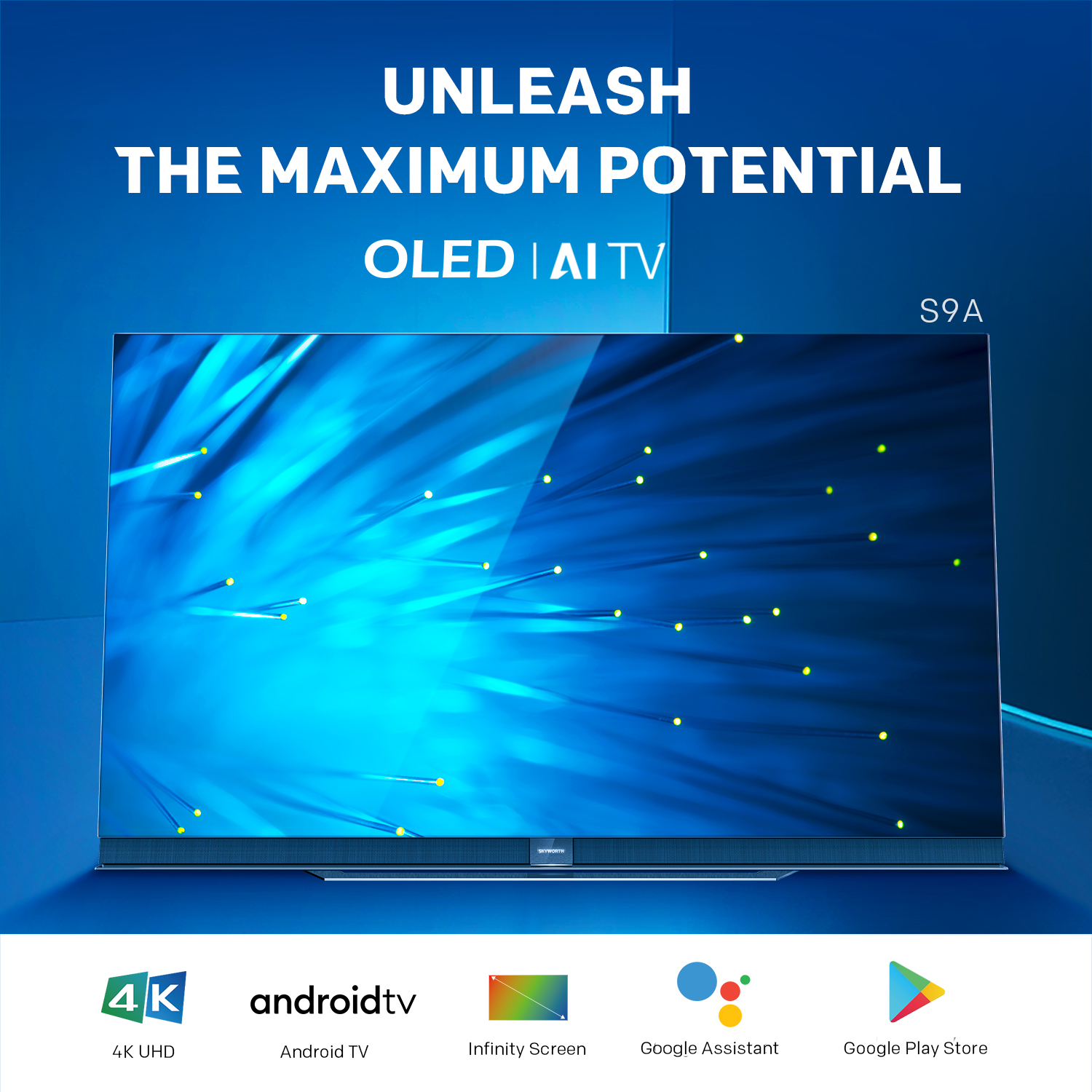
OLED TVs
Source premium OLED TVs from vetted manufacturers and suppliers in Asia. Designed for electronics importers, wholesale distributors, and consumer brands seeking reliable OEM and private-label production. Access factory-direct pricing, bulk supply, and stringent quality control.
Sourcing OLED (Organic Light-Emitting Diode) TVs in volume requires navigating a highly consolidated panel supply chain while differentiating your product through chassis design, smart TV mainboard integration, and audio performance. Because the core self-emissive panel technology is manufactured by only a few tier-one fabricators globally, your sourcing strategy must focus heavily on the assembly factory's engineering capabilities, software licensing, and quality assurance processes.
Understanding the OLED OEM Supply Chain
When you contract an OEM manufacturer for OLED TVs, the factory is not fabricating the panel itself. Instead, they purchase OLED modules (the glass and encapsulation) and handle the complex integration of the Timing Controller (T-CON), mainboard, power supply unit (PSU), and physical chassis.
Your supplier's purchasing power with panel fabricators directly dictates your unit cost, while their engineering capability determines the final picture quality and software stability.
| Panel Grade | Dead Pixel Tolerance | Brightness Uniformity | Target Market |
|---|---|---|---|
| Grade A+ | Zero dead pixels | Over 95 percent | Premium retail & flagship brands |
| Grade A | Up to 3 dead pixels | Over 90 percent | Mid-tier consumer retail |
| Grade B | Up to 5 dead pixels | Under 90 percent | Budget promotional markets (rare for OLED) |
Panel Grading Risks
OLED panels are expensive, and some lower-tier factories may attempt to substitute Grade A+ panels with Grade A or B to pad margins. Rigorous pre-shipment inspection is mandatory to verify panel grades before containers are loaded.
Need help verifying supplier claims? We audit factories and secure transparent bill-of-materials (BOM) pricing for high-value electronics.
Talk to our teamCritical Assembly and Quality Control Factors
Because OLED panels are self-emissive and lack a traditional backlight, they require precise voltage control at the pixel level. Poor mainboard integration or inadequate thermal management can lead to premature panel degradation or image retention (burn-in).
When evaluating an assembly partner, you must verify their production line standards. Conducting thorough factory audits ensures the supplier has the necessary cleanroom environments for module handling and automated optical inspection (AOI) equipment.
In-Line Quality Checks for OLED Assembly
- T-CON board calibration to ensure accurate pixel-level voltage distribution.
- White balance and gamma tuning for color accuracy (Delta E ≤ 2).
- Burn-in prevention algorithm testing (pixel shifting, logo dimming routines).
- Thermal management verification (heat dissipation across ultra-thin metal chassis).
- Smart TV OS compliance testing (e.g., Google CTS, Netflix ESN certification).
OEM/ODM Customization Capabilities
To compete in the premium television market, you need more than just a standard factory mold. Engaging in OEM/ODM services allows you to customize the aesthetic and functional elements of the TV.
Focus on customizing the chassis (such as frameless designs or CNC-machined aluminum stands), upgrading the integrated soundbar or acoustic surface technology, and securing licensed Smart TV operating systems (like webOS, Google TV, or Roku TV). Unlicensed Android AOSP builds will not support 4K streaming on major DRM-protected platforms, which is a critical failure point for OLED buyers.
Pricing Drivers, MOQs, and Lead Times
OLED TVs sit at the top of the consumer electronics pricing hierarchy. Because the BOM cost is heavily weighted toward the panel, pricing fluctuates based on global panel yield rates and seasonal demand.
While MOQs for OLEDs are generally lower than standard LED/LCD TVs due to their high unit cost, custom tooling for unique base stands or remote controls may require higher commitments. Payment terms typically require a 30 percent deposit, but given the high capital requirement for OLED orders, establishing robust quality control checkpoints before the final balance is paid is non-negotiable.
Streamline your consumer electronics supply chain. We handle supplier negotiation, OS licensing verification, and quality assurance.
Get a free consultationFrequently Asked Questions
Sourcing OLED TVs requires balancing high capital investment with strict technical oversight. By partnering with factories that possess proven engineering capabilities and verified software licenses—and backing that up with rigorous third-party inspection—you can successfully deliver premium displays to your market without compromising on quality or margin.
Get Sourcing Help for OLED TVs
Tell us your requirements and our experts will connect you with verified manufacturers.