OLED and E-Paper Modules
Source high-performance OLED and E-Paper Modules directly from vetted manufacturers and suppliers in Asia. Designed for electronics importers, distributors, and brands seeking reliable OEM and ODM production, this catalog connects you with factory-direct pricing and stringent quality control for your next major hardware project.
Sourcing display modules at scale—whether emissive OLEDs or bi-stable e-paper displays (EPD)—requires navigating a complex supply chain of glass substrate suppliers, driver IC fabricators, and module assemblers. The challenge is rarely just finding a factory; it is securing an assembly partner with the cleanroom capabilities, bonding precision, and component access to deliver consistent yields across thousands of units without supply chain disruptions.
Defining Your Display Module Specifications
Before engaging suppliers, your bill of materials and technical documentation must be exact. Display assemblers in hubs like Shenzhen and Dongguan often build modules around standard panels from major fabricators, but the integration is where specifications diverge.
You must clearly define:
- Driver IC Compatibility: Specify the exact controller (e.g., SSD1306 for OLEDs, UC8151 for e-paper) to ensure seamless integration with your host MCU.
- Interface Protocols: Define whether you require 3-wire/4-wire SPI, I2C, or parallel interfaces based on your bandwidth and pin-count constraints.
- FPC (Flexible Printed Circuit) Design: Determine if a standard off-the-shelf FPC routing works, or if you need custom FPC length, bending radius, and pinout arrangements to fit your mechanical enclosure.
- Operating Environment: E-paper requires specific temperature waveforms to update cleanly, while OLEDs need strict moisture protection. Define your operating temperature ranges upfront.
| Specification | OLED Modules | E-Paper (EPD) Modules |
|---|---|---|
| Power Consumption | Continuous draw (emissive) | Zero draw to hold image (bi-stable) |
| Refresh Rate | Very fast (video capable) | Slow (typically 1 to 5 seconds) |
| Sunlight Readability | Poor to moderate (requires high brightness) | Excellent (reflective technology) |
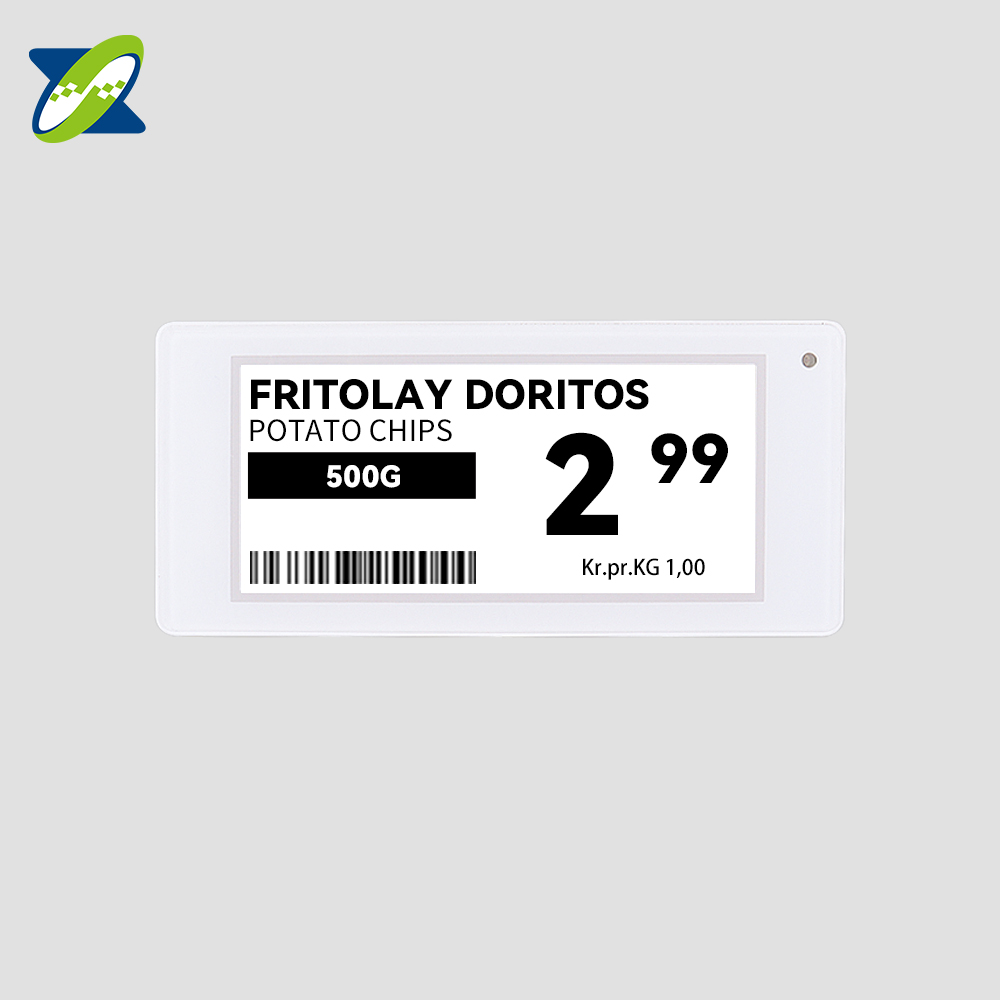
| Typical Applications | Wearables, industrial panels, medical UI | Electronic shelf labels, e-readers, signage |
Need help matching your hardware requirements to the right display module manufacturer? Let our sourcing engineers evaluate your specs and shortlist capable factories.
Talk to our teamManufacturing Tolerances and Quality Control
The reliability of a display module is won or lost during the assembly process, specifically during ACF (Anisotropic Conductive Film) bonding and encapsulation.
If a factory's thermode pressure or temperature calibration is off during the ACF bonding of the driver IC or FPC to the glass substrate, the module will suffer from dead rows, dead columns, or intermittent connectivity. For OLEDs, improper edge sealing or encapsulation allows moisture ingress, leading to oxidation of the organic layers and irreversible "dark spots" spreading across the display.
To mitigate these risks, implementing strict Quality Control & Inspection protocols is essential.
Critical Factory Inspection Points for Display Modules
- Class 1,000 or better cleanroom environment for bare glass and IC bonding.
- Automated Optical Inspection (AOI) for alignment accuracy of FPC and ICs.
- Environmental testing chambers (temperature/humidity cycling) for accelerated life testing.
- 100% electrical testing for dead pixels, uniform brightness, and ghosting (for EPD).
- Verification of genuine driver ICs and original panel stock (avoiding B-grade or recycled glass).
Customization and OEM/ODM Integration
While standard modules offer the fastest time-to-market, many hardware projects require customization. This might involve integrating capacitive touch panels (CTP), optically bonding custom cover glass with anti-glare (AG) or anti-fingerprint (AF) coatings, or redesigning the FPC for a specific footprint.
When moving into custom tooling, you need a partner capable of comprehensive Product Development. The factory must demonstrate expertise in mechanical integration and provide accurate CAD models and initialization code for the driver ICs. Ensure that tooling ownership (for custom FPCs or glass molds) is clearly defined in your manufacturing agreement.
Realistic MOQs, Tooling, and Lead Times
Display module pricing is highly volume-dependent and sensitive to global semiconductor supply. Furthermore, verifying that your chosen assembler has direct, stable purchasing channels with core panel makers (like E Ink for e-paper or Visionox/BOE for OLEDs) requires rigorous Factory Audits before placing a deposit.
Tooling costs (NRE) for custom FPCs are generally low (often under a few hundred dollars), while custom cover glass or touch panel integration will require higher initial tooling investments.
Ready to scale production? We can help negotiate MOQs, manage tooling agreements, and oversee production schedules with top-tier display manufacturers.
Get a free consultationFrequently Asked Questions
Procuring OLED and E-Paper modules requires balancing strict electrical tolerances with precise mechanical integration. By prioritizing factories with verifiable cleanroom standards and robust ACF bonding processes, you protect your product's reliability and your brand's reputation in the field.
Get Sourcing Help for OLED and E-Paper Modules
Tell us your requirements and our experts will connect you with verified manufacturers.