Oil Pumps
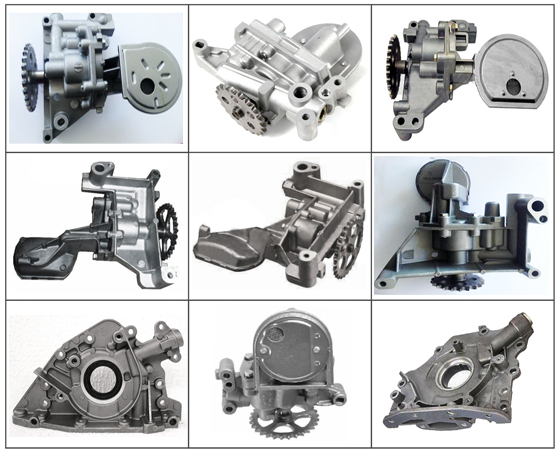
Source high-quality automotive oil pumps from vetted suppliers and manufacturers. Designed for importers, auto parts distributors, and brands seeking reliable OEM or aftermarket production, our network delivers precision-engineered engine components at scale to keep your supply chain running smoothly.
Sourcing automotive oil pumps at scale requires balancing aggressive pricing with zero-compromise reliability. As the "heart" of the engine's lubrication system, a failing oil pump leads directly to catastrophic engine failure. For bulk buyers, the challenge lies in identifying manufacturers capable of maintaining microscopic machining tolerances and consistent metallurgical quality across production runs of thousands of units.
Core Specifications and Manufacturing Priorities
Whether you are sourcing for standard passenger vehicles or heavy-duty commercial engines, the pump's architecture dictates the factory capabilities you need to verify.
| Pump Type | Typical Application | Manufacturing Priority |
|---|---|---|
| Gerotor | Modern passenger vehicles | Tight rotor-to-housing clearances |
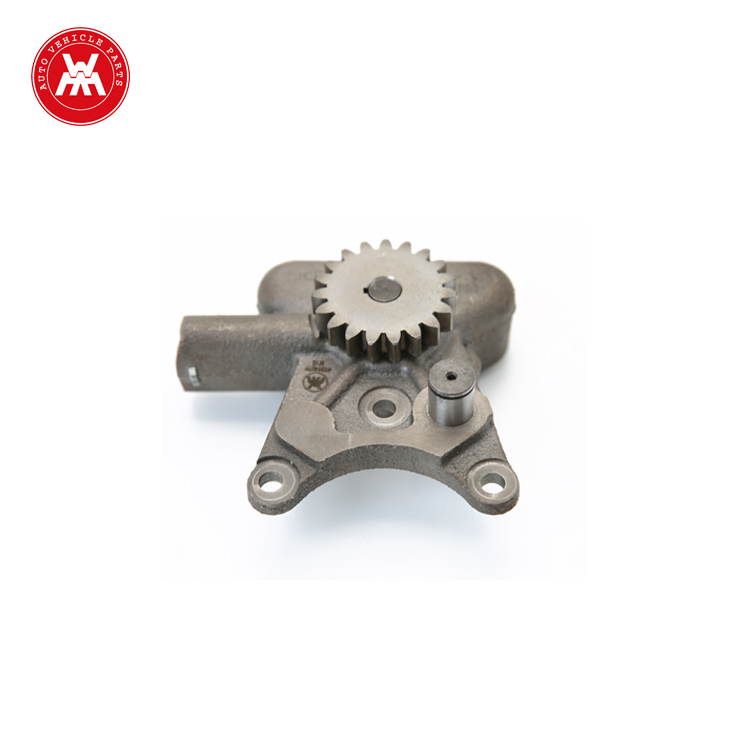
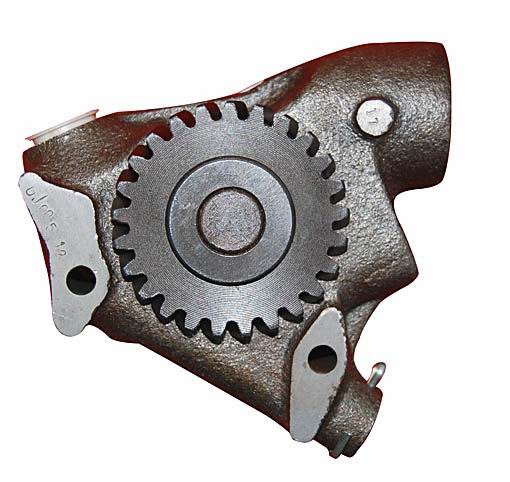
| External Gear | Heavy-duty & commercial | Gear tooth profile precision |
| Vane (Variable) | High-efficiency systems | Vane spring tension & durability |
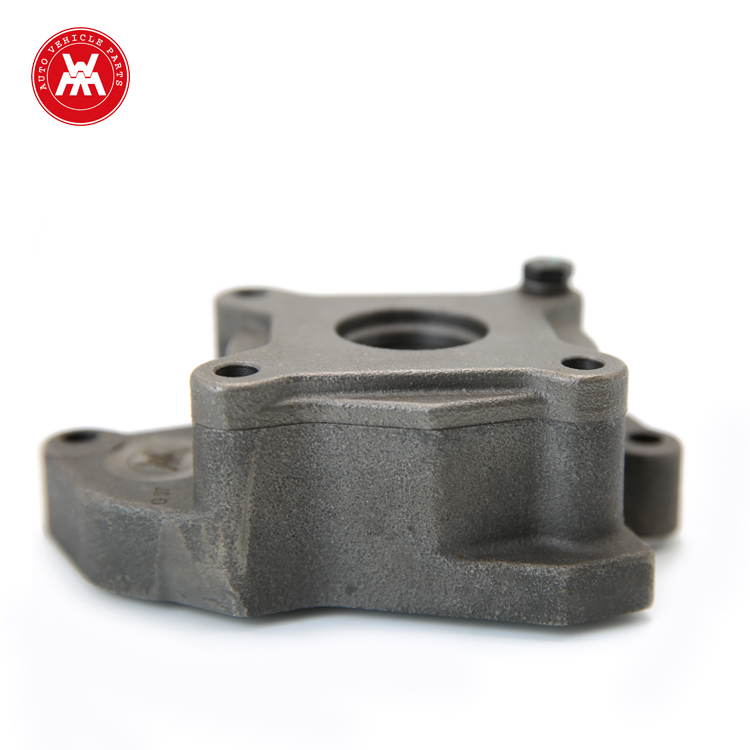
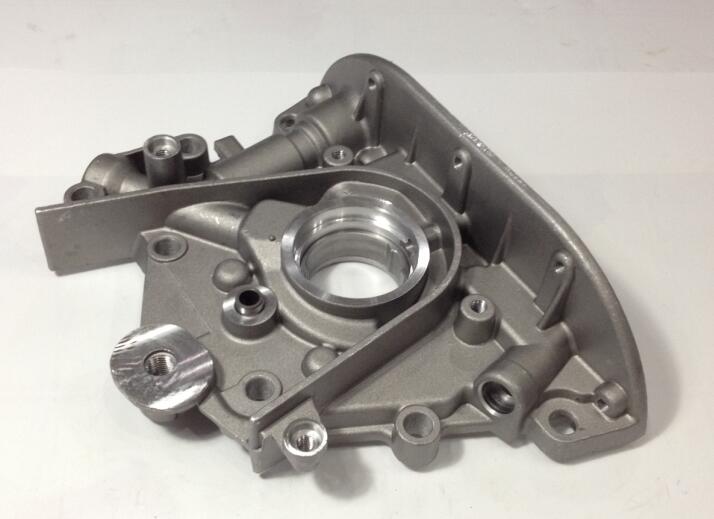
The housing material is almost universally die-cast aluminum (such as ADC12) or cast iron for heavy-duty applications. The primary manufacturing risk with aluminum housings is internal porosity—microscopic air pockets trapped during the casting process that can cause structural weakness or pressure leaks under high temperatures.
Material Purity
Beware of suppliers offering prices significantly below market average. This often indicates the use of high ratios of secondary (recycled) aluminum scrap, which drastically increases the risk of housing porosity and premature failure.
Struggling to find an IATF 16949 certified pump manufacturer? Let us match you with vetted factories capable of meeting stringent OEM standards.
Talk to our teamQuality Control and Defect Prevention
Because oil pumps operate under extreme thermal and mechanical stress, visual inspection is entirely inadequate. Securing reliable inventory requires robust Quality Control & Inspection protocols that test the pump's dynamic performance before shipment.
Critical QC Checks for Oil Pumps
- Housing Porosity: X-ray or ultrasonic testing to detect internal voids in die-cast aluminum.
- Clearance Tolerances: CMM (Coordinate Measuring Machine) verification of rotor-to-housing clearances, which must typically remain under 0.05mm.
- Pressure Relief Valve Calibration: Spring tension testing to ensure the bypass valve opens at the exact specified PSI to prevent over-pressurization.
- Dynamic Flow Testing: Verifying the flow rate (liters per minute) at simulated operating temperatures and RPMs on specialized test rigs.
When evaluating a new supplier, it is highly recommended to conduct thorough Factory Audits. You need to confirm that the facility possesses in-house CNC machining centers for the final finishing of the pump cavities, as outsourcing this critical step introduces unacceptable tolerance variations.
Pricing, MOQs, and Lead Times
The cost of an oil pump is driven by the complexity of the design (variable displacement pumps cost significantly more than fixed displacement gerotor pumps), the alloy used, and the required machining tolerances.
If you are developing a proprietary design or reverse-engineering an obsolete part, you will need to engage in OEM/ODM Services. Custom tooling (molds for the die-cast housing) will require an upfront investment, typically ranging from $3,000 to $8,000 depending on the mold's complexity and cavitation. Tooling development generally adds 30 to 45 days to your initial lead time.
Need to consolidate your auto parts supply chain or negotiate better terms for custom tooling? We can help manage the entire process.
Get a free consultationFrequently Asked Questions
In the automotive aftermarket, the margin for error on engine lubrication components is zero. Success in this category requires moving beyond price-shopping to rigorously verify a factory's metallurgical controls, CNC capabilities, and end-of-line testing infrastructure. If you need experienced boots on the ground to manage supplier vetting, tooling negotiation, and pre-shipment testing, our team is ready to support your procurement operations.
Get Sourcing Help for Oil Pumps
Tell us your requirements and our experts will connect you with verified manufacturers.