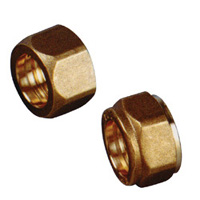
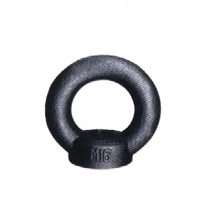
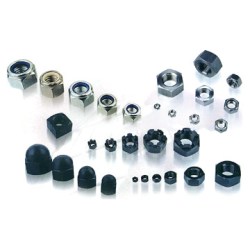
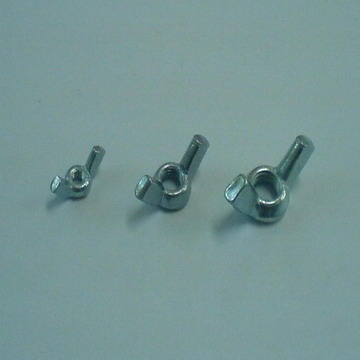
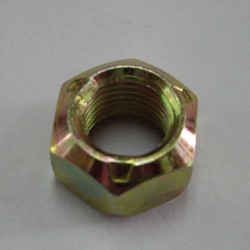
Nuts
Source industrial-grade nuts from vetted manufacturers and suppliers across Asia. Built for hardware distributors, fastener wholesalers, and OEM assembly brands requiring high-volume production, this catalog connects you directly with factories delivering precise tolerances, reliable bulk pricing, and custom specifications.
Sourcing industrial nuts in high volume is an exercise in managing microscopic tolerances at a massive scale. When a single container holds millions of pieces, a marginal error in thread pitch, a skipped heat treatment cycle, or subpar zinc plating can halt an entire downstream assembly line. Securing reliable production requires looking past the unit price and interrogating the factory's cold forging capabilities, tooling maintenance, and raw material sourcing.
Specifying Fasteners for High-Volume Production
When dealing with factories, "stainless steel hex nut" is not a specification. Buyers must define exact parameters to ensure the factory procures the correct wire rod and sets up the tapping machines appropriately.
| Specification | Standard Commercial | High-Stress / Industrial |
|---|---|---|
| Material Grade | Carbon Steel (Grade 4, 8) / SS 304 | Alloy Steel (Grade 10, 12) / SS 316 |
| Thread Tolerance | Class 6H (Metric standard) | Class 4H or tighter |
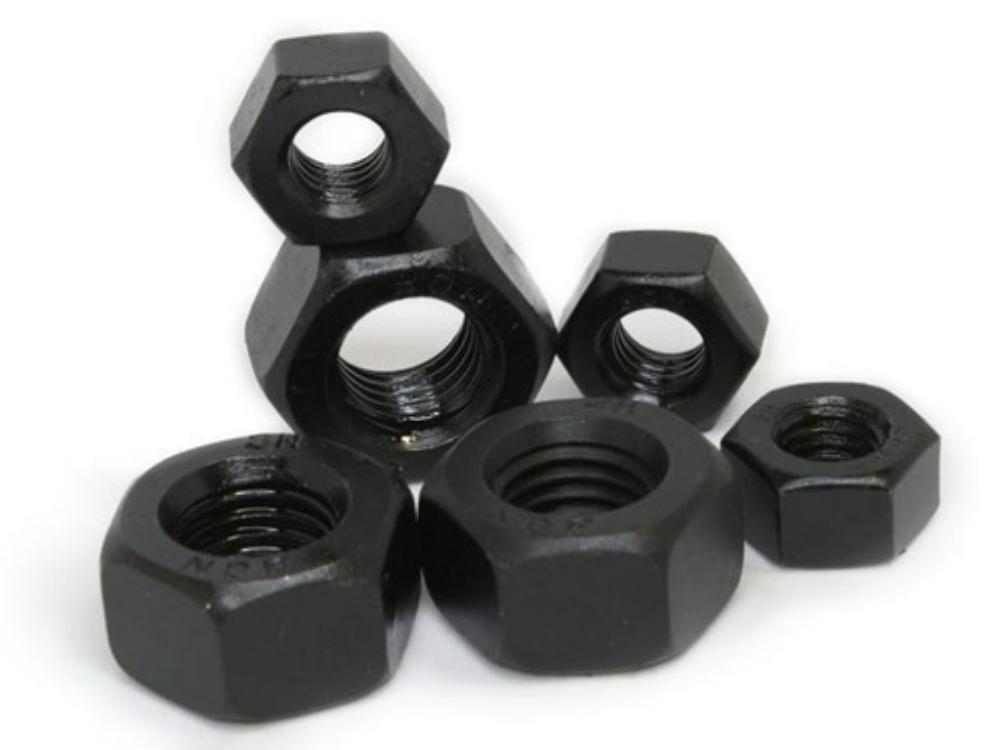
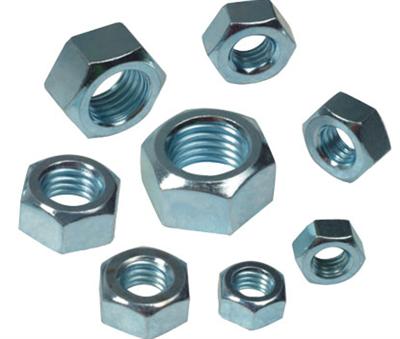
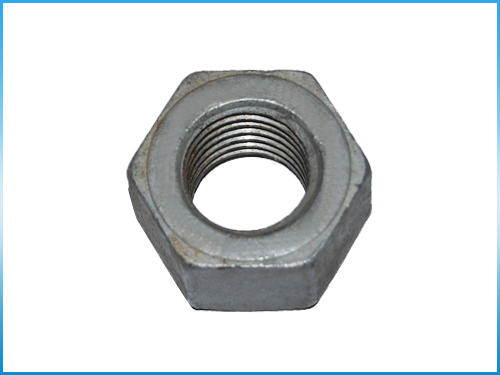
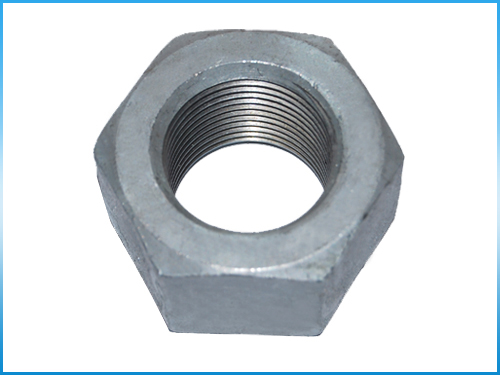
| Surface Treatment | Clear Zinc, Black Oxide | Hot-Dip Galvanized, Geomet, PTFE |
Need help matching your technical requirements to the right factory? We evaluate supplier tooling and production capabilities on your behalf to ensure consistent quality.
Talk to our teamThe Manufacturing Process and Failure Points
Most standard nuts are produced via cold heading (or cold forging) followed by thread tapping. Understanding this process helps you identify where quality drops off on the factory floor.
Wire Drawing and Spheroidizing
Raw steel wire is drawn to the correct diameter and annealed to improve ductility. Poorly annealed wire leads to cracking during the forging process.
Cold Forging
The wire is cut and struck in multi-station formers to create the hexagonal shape and center hole. Worn dies here result in rounded corners and dimensional inaccuracies.
Tapping (Threading)
High-speed taps cut the internal threads. If tap bits are not replaced on a strict schedule, threads become shallow or burred, causing assembly failures.
Heat Treatment and Plating
Nuts are quenched and tempered for hardness, then plated for corrosion resistance. Inconsistent heat treatment causes brittleness or stripping under load.
Verifying a factory's adherence to these steps often requires on-site Factory Audits to check their tooling replacement schedules, furnace temperature logs, and raw material inventory.
Essential Quality Control Checks
A robust Quality Control & Inspection protocol is mandatory before the goods leave the factory. Relying solely on the supplier's internal QC is risky when dealing with high-volume bulk shipments.
Pre-Shipment Inspection Points
- Go/No-Go Gauge Testing: Verifies thread pitch and internal diameter tolerances.
- Hardness Testing: Rockwell or Vickers hardness tests to confirm heat treatment efficacy.
- Salt Spray Testing: Ensures the plating (e.g., zinc or galvanization) meets required corrosion resistance hours.
- Dimensional Checks: Caliper measurements of width across flats, width across corners, and thickness.
- Proof Load Testing: Verifying the nut can withstand the specified axial load without thread stripping.
If you require specialized fasteners for proprietary applications, engaging OEM/ODM Services ensures custom tooling is developed correctly and your designs are protected under strict NDAs.
Wholesale Pricing and Production Realities
Fastener pricing is heavily tied to global steel indices. Factories operate on razor-thin margins, meaning price fluctuations in raw wire rod are almost immediately passed on to the buyer.
Navigating steel price volatility and production schedules? Let us manage the supplier negotiations and secure favorable terms for your bulk orders.
Get a free consultationBuyer FAQ
Securing a reliable supply chain for bulk fasteners requires constant vigilance over raw material inputs, tooling maintenance, and rigorous final inspections. The lowest quote often masks skipped heat treatments or stretched tooling lifespans. By focusing on factory capability and strict quality oversight, you can ensure your assembly lines run without interruption.
Get Sourcing Help for Nuts
Tell us your requirements and our experts will connect you with verified manufacturers.