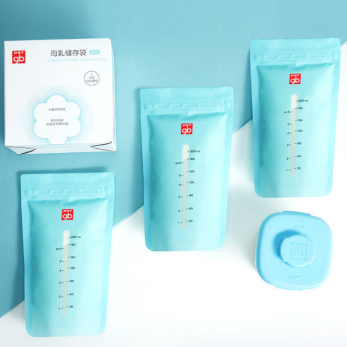
Nursery Supplies
Source high-quality Nursery Supplies from vetted manufacturers and suppliers in Asia. Designed for importers, wholesale distributors, and brands seeking reliable OEM or private-label production, our bulk catalog covers everything you need to scale. Secure compliant, rigorously tested products at competitive wholesale prices.
Sourcing nursery supplies at volume requires navigating a fragmented supply chain that spans multiple manufacturing disciplines—from injection-molded plastics and cut-and-sew textiles to small electronics. Because these products live in infant environments, the margin for error in chemical compliance, structural integrity, and electrical safety is zero. Successful procurement demands strict supplier vetting, precise material specifications, and rigorous quality oversight on the factory floor.
Material Specifications and Compliance Standards
Nursery supplies encompass a wide range of functional items, including organizers, diapering stations, humidifiers, and feeding-adjacent prep gear. Specifying the correct raw materials is the first step in mitigating regulatory risk.
For hard goods, Polypropylene (PP) and Acrylonitrile Butadiene Styrene (ABS) are standard, but buyers must explicitly specify non-toxic, BPA-free, and phthalate-free grades. For soft goods like hanging organizers or changing caddies, textiles must be free of azo dyes and heavy metals. If your product includes electronics (such as nightlights or bottle warmers), the internal components must meet stringent fire-retardant and electromagnetic compatibility standards.
| Material Type | Common Nursery Applications | Critical Compliance Focus |
|---|---|---|
| Polypropylene (PP) | Wipe dispensers, diaper pails, prep stations | BPA/Phthalate-free, FDA/LFGB (if feeding adjacent) |
| ABS Plastic | Humidifier housings, nightlight casings | Impact resistance, RoHS, REACH SVHC |
| Polyester/Linen Blends | Hanging organizers, storage caddies | OEKO-TEX Standard 100, flammability (16 CFR 1610) |
| Food-Grade Silicone | Matting, protective bumpers, seals | Peroxide vs. platinum cured, volatile organic compounds |
Relying on a factory's generic "CE" or "FDA" claim is a common pitfall. Professional buyers integrate independent Compliance & Testing into their sourcing workflow to verify that raw materials match the approved golden sample before mass production begins.
Need help verifying supplier certifications and material compliance? Let our sourcing experts handle the technical validation for your next order.
Talk to our teamManufacturing Processes and Quality Control
The manufacturing hubs for nursery supplies are heavily concentrated in China's Guangdong and Zhejiang provinces. Guangdong (particularly Shenzhen and Dongguan) excels in electronic nursery items and high-precision injection molding, while Zhejiang (Yiwu, Ningbo) offers highly competitive pricing on textiles and basic plastic storage solutions.
When evaluating a factory, you must look beyond the showroom and audit their production lines.
Critical Quality Control Checkpoints
Defects in nursery supplies often stem from poor tooling maintenance or rushed assembly. Implementing strict Quality Control & Inspection protocols is essential.
Pre-Shipment Inspection Focus Areas
- Flash and Burr Removal: Ensure all plastic components have perfectly smooth edges to prevent scratching hazards.
- Seam Strength: Test load-bearing seams on fabric organizers to ensure they do not tear under standard weight capacities.
- Drop Testing: Conduct standard drop tests (e.g., 1 meter onto concrete) for hard-shell plastics and electronics.
- Off-Gassing: Verify that newly manufactured plastics and foams do not emit strong odors, which can trigger customer returns.
- Electrical Safety: For powered items, verify proper grounding, short-circuit protection, and accurate voltage ratings.
Before committing to a high-volume run, conducting comprehensive Factory Audits ensures the supplier actually owns the necessary injection molding machines or SMT (Surface Mount Technology) lines, rather than subcontracting your order to unvetted secondary facilities.
Customization and OEM/ODM Production
Many brands differentiate themselves by customizing existing factory molds (ODM) or developing entirely new proprietary designs (OEM).
For ODM projects, differentiation is usually achieved through custom Pantone color matching, proprietary fabric patterns, and premium packaging. OEM projects require significant upfront investment in steel tooling. When negotiating OEM contracts, clearly define mold ownership, maintenance responsibilities, and the guaranteed lifespan of the tool (typically expressed in the number of "shots").
Partnering with a team experienced in OEM/ODM Services ensures your intellectual property is protected and that the factory's engineering team correctly interprets your CAD files for optimal manufacturability.
Pricing, MOQs, and Production Lead Times
Unit costs and Minimum Order Quantities (MOQs) vary significantly based on the manufacturing process and the level of customization.
Note: Off-the-shelf ODM items in standard factory colors can often be negotiated down to MOQs of 500 units, though unit costs will be marginally higher.
Planning a custom nursery product line? We can help you negotiate favorable MOQs, manage tooling contracts, and oversee production.
Get a free consultationFrequently Asked Questions
Sourcing nursery supplies requires balancing aesthetic trends with uncompromising safety standards. By strictly managing material specifications, auditing factory capabilities, and maintaining relentless quality control on the production floor, you can build a reliable supply chain that protects both your brand's reputation and your end consumers. Merhein is here to help you manage this process from initial vetting to final delivery.
Get Sourcing Help for Nursery Supplies
Tell us your requirements and our experts will connect you with verified manufacturers.