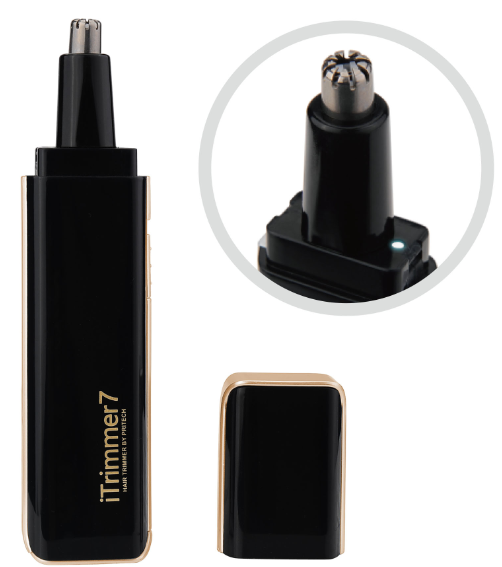
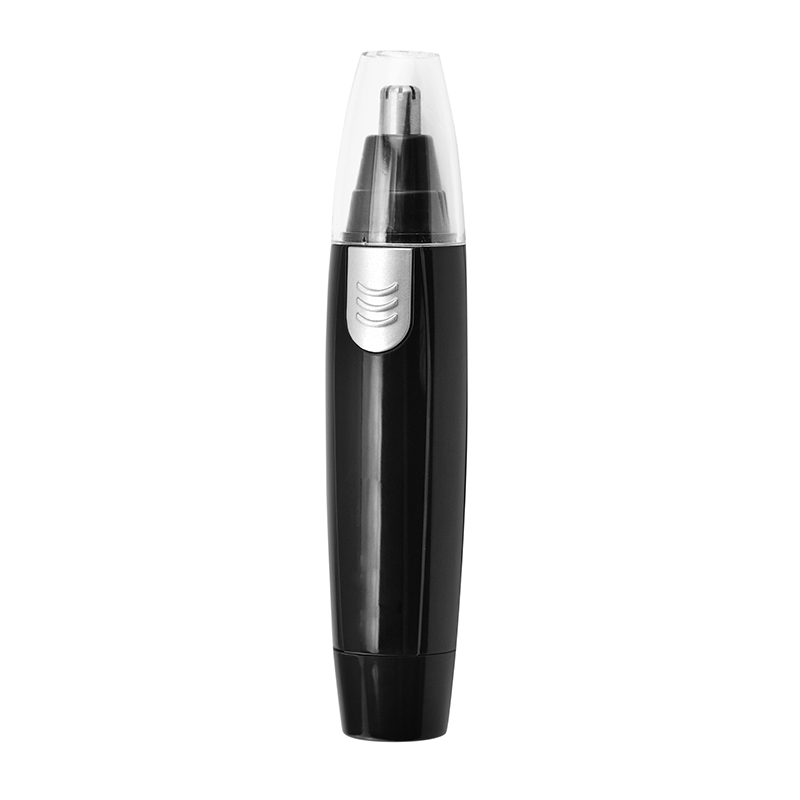
Nose trimmer
Source premium nose trimmers directly from vetted manufacturers and wholesale suppliers. Designed for importers, distributors, and personal care brands seeking reliable OEM and private-label production, our network delivers high-performance grooming devices that meet global safety and quality standards.
Sourcing nose trimmers at volume requires balancing motor durability, blade precision, and waterproof sealing. While the product appears simple, the core sourcing challenge lies in identifying assembly lines capable of consistent micro-motor integration and precise blade alignment without escalating unit costs. For brands and importers, maintaining strict tolerances at the factory level is the only way to prevent high return rates caused by hair pulling or motor burnout.
Core Specifications and Component Selection
The performance of a personal grooming device hinges on the quality of its internal components. When negotiating with manufacturers, specifying the exact grades of materials and motor outputs is critical to establishing a reliable baseline for production.
Motor Performance and Blade Materials
The interaction between the motor RPM and the blade's cutting edge determines the user experience. Standard consumer units typically utilize motors running at 6,000 to 7,000 RPM, while premium models push toward 9,000 to 10,000 RPM for cleaner cuts.
Blade material is equally important. Most suppliers default to standard stainless steel, but specifying the exact grade prevents premature dulling and rust.
| Configuration | Motor RPM | Blade Material | Best Application |
|---|---|---|---|
| Entry-Level / Promotional | 6,000 - 7,000 | Standard 304 Stainless | Budget retail, promotional items |
| Mid-Range Retail | 7,000 - 8,500 | 420J2 Stainless Steel | Standard consumer brands |
| Premium / Professional | 8,500 - 10,000 | Dual-edge hypoallergenic steel | High-end private label, barbershop supply |
Waterproofing and Enclosure Integrity
Washability is a standard consumer expectation. Achieving a true IPX7 rating (fully submersible) requires ultrasonic welding on the plastic casing and high-grade silicone O-rings around the battery compartment and motor shaft. If you are developing a custom product through OEM/ODM Services, ensure the factory has in-house pressure testing equipment to verify the IPX rating on the assembly line, rather than relying solely on third-party certification of a golden sample.
Need help identifying factories with verified IPX testing capabilities? We can match you with vetted personal care manufacturers.
Talk to our teamManufacturing Quality Control
Defects in nose trimmers often manifest after a few weeks of use, making rigorous pre-shipment inspection vital. The most common failure points are misaligned inner blades (which pull hair rather than cut it) and PCB failures in rechargeable models.
Implementing strict Quality Control & Inspection protocols at the factory minimizes these risks.
Critical QC Checkpoints for Nose Trimmers
- Blade clearance tolerance: Ensure the gap between the inner rotating blade and outer safety cone is under 0.08mm.
- Acoustic testing: Measure decibel output to detect unbalanced motors or dry bearings.
- Water ingress testing: Submerge a statistical sampling of IPX7-rated units to verify seal integrity.
- Battery compartment fit: Verify that battery contacts are corrosion-resistant and springs provide adequate tension.
Pricing, MOQs, and Production Lead Times
Understanding the standard commercial terms in the personal care manufacturing hub (primarily concentrated in Zhejiang and Guangdong provinces) helps set realistic procurement strategies.
Unit pricing is highly sensitive to the power source. AA/AAA battery-operated models represent the lowest cost tier. Upgrading to built-in lithium-ion batteries with Type-C charging significantly increases the BOM (Bill of Materials) cost due to the addition of the battery cell, charging IC, and upgraded PCB.
Evaluating BOM costs for a new grooming line? Let us help you negotiate transparent pricing with top-tier manufacturers.
Get a free consultationFrequently Asked Questions
Successfully sourcing nose trimmers at scale requires moving past surface-level aesthetics to focus on motor torque, blade metallurgy, and assembly tolerances. By partnering with manufacturers who maintain strict internal quality management, you can build a reliable supply chain for high-performance grooming devices.
Get Sourcing Help for Nose trimmer
Tell us your requirements and our experts will connect you with verified manufacturers.