Noise Reduction Devices
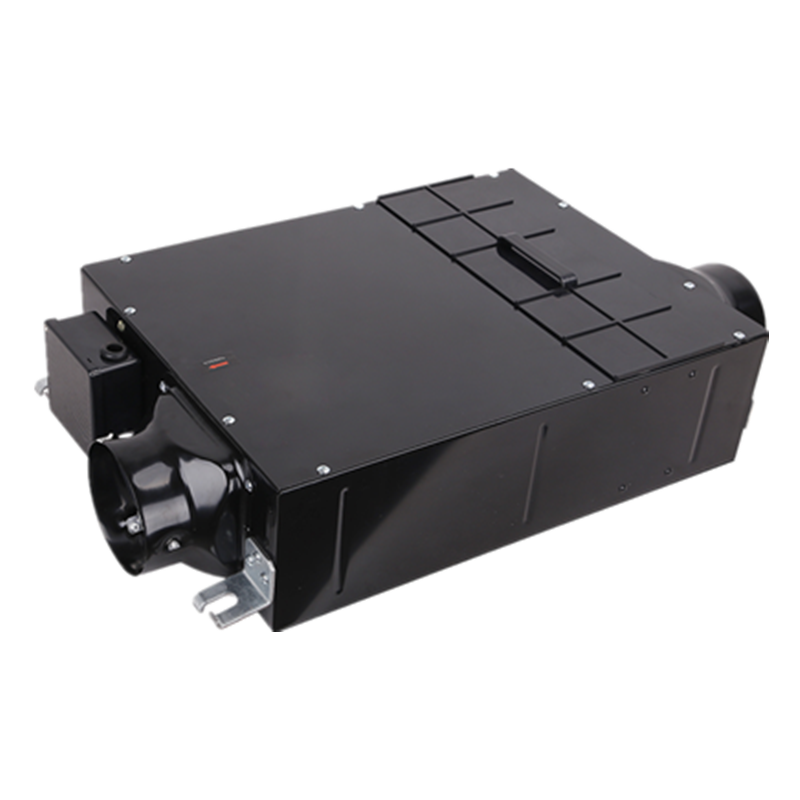
Source industrial Noise Reduction Devices from vetted manufacturers and suppliers. Designed for importers, wholesalers, and brands seeking OEM production, our network delivers reliable acoustic control solutions for heavy machinery, HVAC systems, and environmental compliance.
Sourcing industrial noise reduction equipment—whether acoustic enclosures, baffles, or heavy-duty silencers—requires balancing acoustic performance with aerodynamic efficiency. For volume buyers, the challenge lies in identifying manufacturers capable of delivering accurate insertion loss data while maintaining strict fabrication tolerances that prevent pressure drop issues in the field.
Defining Key Acoustic and Aerodynamic Specifications
When working with manufacturers on standard or custom noise control devices, vague specifications lead to underperforming installations. Industrial buyers must dictate exact parameters to ensure the product meets local environmental noise regulations without suffocating machinery.
- Dynamic Insertion Loss (DIL): Specify the required decibel reduction across specific octave bands (typically 63 Hz to 8000 Hz). Relying on a single overall dB reduction figure is insufficient for industrial sourcing.
- Pressure Drop: Every silencer or acoustic louver restricts airflow. Specify the maximum allowable pressure drop (in Pascals or inches of water gauge) at your target airflow velocity.
- Acoustic Infill Density: The sound-absorbing material (usually mineral wool or fiberglass) must be packed to a specific density, often between 40 and 80 kg/m3. Too loose, and it settles over time; too dense, and it loses low-frequency absorption.
- Perforated Metal Open Area: The inner lining holding the infill must have a sufficient open area (typically 25 to 35 percent) to allow sound waves to penetrate the acoustic media.
Need help matching your technical requirements to capable manufacturers? Talk to our engineering sourcing team.
Discuss your specificationsFactory-Level Quality Control and Fabrication Standards
The acoustic performance of a device on paper means nothing if the factory floor cuts corners during fabrication. Poor welding leads to acoustic leaks, while improper infill packing results in material erosion over time.
Implementing rigorous Quality Control & Inspection is non-negotiable for these products. Inspecting the internal construction before the outer casing is sealed is highly recommended.
Critical Factory Inspection Points
- Weld integrity: Continuous welding on outer casings to ensure complete airtightness.
- Infill protection: Presence of a glass cloth or Melinex membrane between the perforated metal and acoustic infill to prevent fiber erosion in high-velocity air streams.
- Material gauge verification: Checking sheet metal thickness against specifications to prevent casing radiation (breakout noise).
- Surface treatment: Verifying powder coating or galvanization thickness to ensure environmental durability.
If you are developing custom acoustic enclosures or proprietary silencer designs, conducting comprehensive Factory Audits prior to tooling investment is crucial to verify the supplier's sheet metal processing capabilities and in-house acoustic testing facilities.
Pricing Drivers, MOQs, and Logistics
The cost of noise reduction devices is heavily dictated by raw material prices (steel) and the total volumetric weight for shipping. Because these devices consist largely of empty space and lightweight infill, freight optimization is a major factor in landed costs.
| Material / Construction | Relative Cost | Typical Industrial Application |
|---|---|---|
| Galvanized Steel (Standard) | Baseline | General HVAC, indoor generator enclosures |
| Stainless Steel (304/316) | Premium (+40-60%) | Corrosive environments, marine, food processing |
| High-Temperature Alloys | Highest | Industrial exhaust stacks, gas turbines |
Typical MOQs and Lead Times
- Standard HVAC Silencers/Louvers: MOQs often start around 50 to 100 units, with production lead times of 25 to 35 days.
- Custom Acoustic Enclosures: MOQs can be as low as 5 to 10 units due to their size and complexity, requiring 40 to 60 days for engineering, prototyping, and production.
Because of the low density and high volume of these products, shipping them fully assembled can destroy your margins. Where possible, source modular designs that can be shipped flat-packed and assembled on-site.
Struggling with high freight costs on bulky acoustic equipment? Let us help you optimize your supply chain.
Get a sourcing consultationBuyer FAQ
Sourcing industrial noise reduction devices requires a sharp focus on raw material integrity, precise fabrication tolerances, and smart freight management. By partnering with vetted manufacturers who understand the strict balance between acoustic attenuation and aerodynamic performance, you can secure reliable, compliant products that protect your bottom line.
Get Sourcing Help for Noise Reduction Devices
Tell us your requirements and our experts will connect you with verified manufacturers.