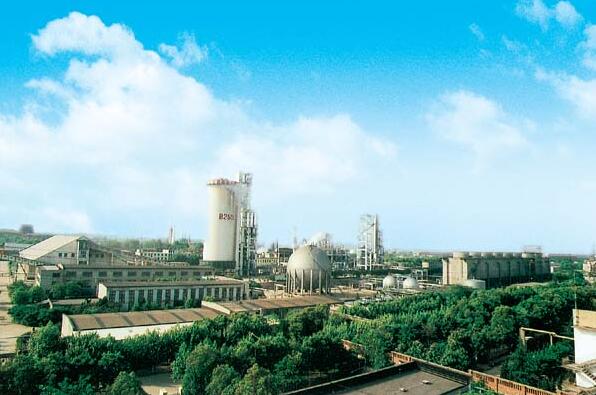
Nitrogen Fertilizers
Source bulk Nitrogen Fertilizers directly from vetted manufacturers and wholesale suppliers. Designed for agricultural importers, distributors, and brands seeking reliable private-label production, our network delivers consistent chemical purity, precise nitrogen concentrations, and scalable fulfillment for large-volume orders.
Sourcing nitrogen fertilizers at scale requires strict attention to chemical purity, moisture control, and international regulatory compliance. Whether you are importing urea, ammonium sulfate, or other nitrogen-based compounds, inconsistent nitrogen concentrations or poor granulation can lead to severe caking during transit and rejected shipments upon arrival. For high-volume buyers, securing a reliable supply chain means validating factory capabilities long before the first container is loaded.
Critical Specifications and Purity Standards
The primary value of any nitrogen fertilizer is its guaranteed nitrogen (N) content. However, secondary specifications often dictate the product's stability and safety for specific agricultural applications.
For instance, when sourcing urea, biuret content is a critical factor. Biuret is a byproduct of the manufacturing process that can be toxic to plants if concentrations exceed 1.0 to 1.5 percent. Controlling biuret requires precise temperature management during production, making it a key indicator of a manufacturer's process control.
| Parameter | Urea (Typical) | Ammonium Sulfate (Typical) |
|---|---|---|
| Nitrogen (N) Content | 46.0% min | 21.0% min |
| Moisture Content | 0.5% max | 0.2% max |
| Biuret Content | 1.0% max | Not Applicable |
| Particle Size | 2-4mm (Granular) | 1-3mm (Crystalline) |
Moisture content is equally critical. Nitrogen fertilizers are highly hygroscopic, meaning they readily absorb moisture from the air. A moisture content exceeding 0.5 percent significantly increases the risk of caking, turning a bulk shipment into an unusable solid block.
Struggling with inconsistent chemical specifications? Let us help you secure manufacturers with proven quality control.
Talk to our teamManufacturing Processes and Quality Control
The physical form of the fertilizer—typically prilled or granular—impacts both its application and its resilience during shipping. Granular fertilizers are generally preferred for bulk blending due to their larger, more uniform size and higher crush strength. Prilled fertilizers are smaller and often cheaper to produce, but they are more susceptible to dust generation and moisture absorption.
Assessing a supplier's production line is vital. You must verify that the factory applies high-quality anti-caking agents uniformly and maintains strict environmental controls in their storage facilities. Conducting thorough Factory Audits ensures your supplier has the infrastructure to handle hygroscopic chemicals properly.
Pre-Shipment Quality Checklist for Nitrogen Fertilizers
- Verify Nitrogen (N) percentage via independent lab titration.
- Test biuret levels to ensure they remain under the 1.0% threshold.
- Conduct a sieve test to confirm particle size distribution and uniformity.
- Measure crush strength to ensure granules will survive bulk transit.
- Inspect packaging integrity, ensuring PE inner liners are perfectly sealed.
Implementing rigorous Quality Control & Inspection at the factory level prevents costly surprises upon discharge at the destination port.
Compliance and Heavy Metal Limits
Agricultural chemicals face strict regulatory scrutiny worldwide. Importers must ensure their nitrogen fertilizers comply with local agricultural standards, which often mandate strict limits on heavy metal contamination (such as cadmium, lead, and arsenic). In regions like the European Union, REACH registration is mandatory for chemical imports. Validating these parameters before shipment often requires specialized Compliance & Testing through accredited third-party laboratories.
Packaging and Moisture Defense
Standard woven PP bags are insufficient for nitrogen fertilizers unless paired with a high-density polyethylene (HDPE) or PE inner liner. Ensure your supplier explicitly details the liner thickness and sealing method in the purchase contract to prevent moisture ingress during ocean freight.
Pricing Drivers, MOQs, and Lead Times
Nitrogen fertilizer pricing is highly volatile and tightly correlated with global energy markets, particularly natural gas and coal, which are the primary feedstocks for ammonia production.
When negotiating, volume is your strongest lever. Most reputable factories require a minimum order quantity (MOQ) of at least one 20-foot full container load (FCL), yielding approximately 20 to 25 metric tons. For true wholesale pricing, buyers typically source in break-bulk quantities (thousands of metric tons), requiring complex vessel chartering and port handling coordination.
Need to lock in competitive pricing and secure production capacity? Contact our sourcing experts.
Get a free consultationFrequently Asked Questions
Successfully importing bulk nitrogen fertilizers requires more than just finding a low price per metric ton. It demands rigorous vetting of production methods, independent chemical validation, and flawless logistical execution to protect the product from moisture degradation. Aligning with an experienced sourcing partner ensures your supply chain remains stable, compliant, and cost-effective.
Get Sourcing Help for Nitrogen Fertilizers
Tell us your requirements and our experts will connect you with verified manufacturers.