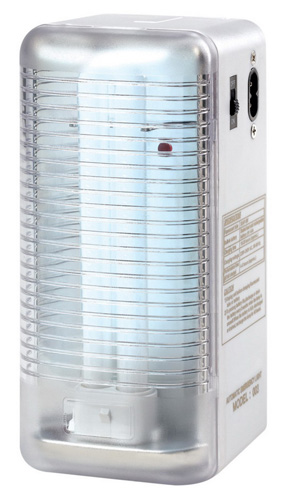
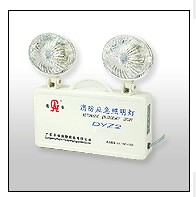
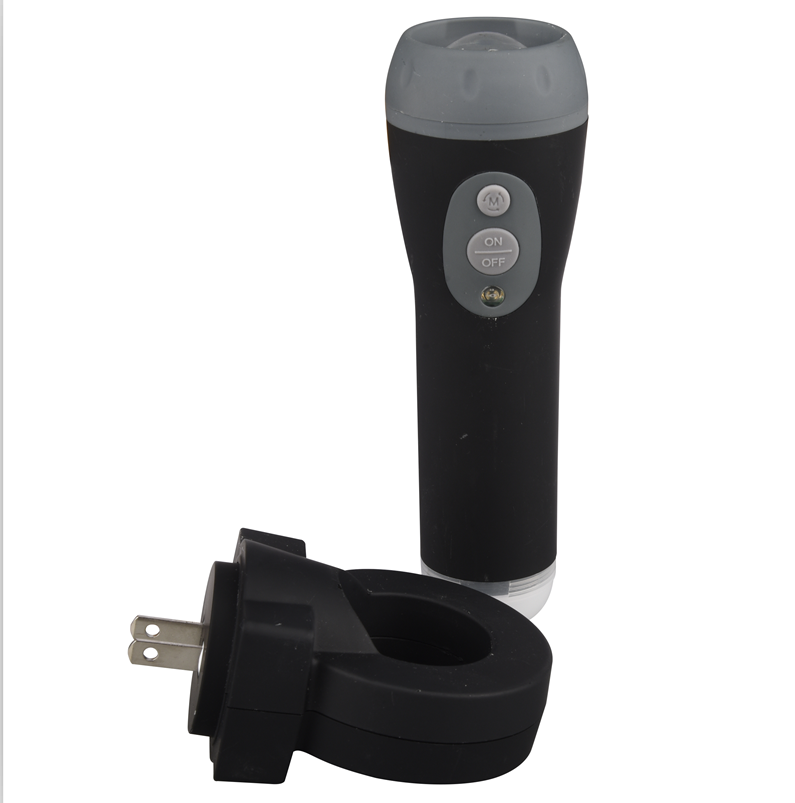
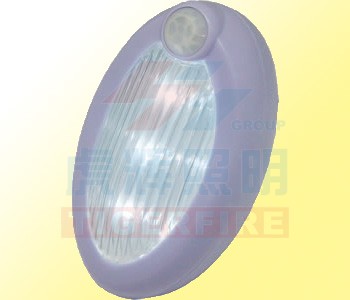
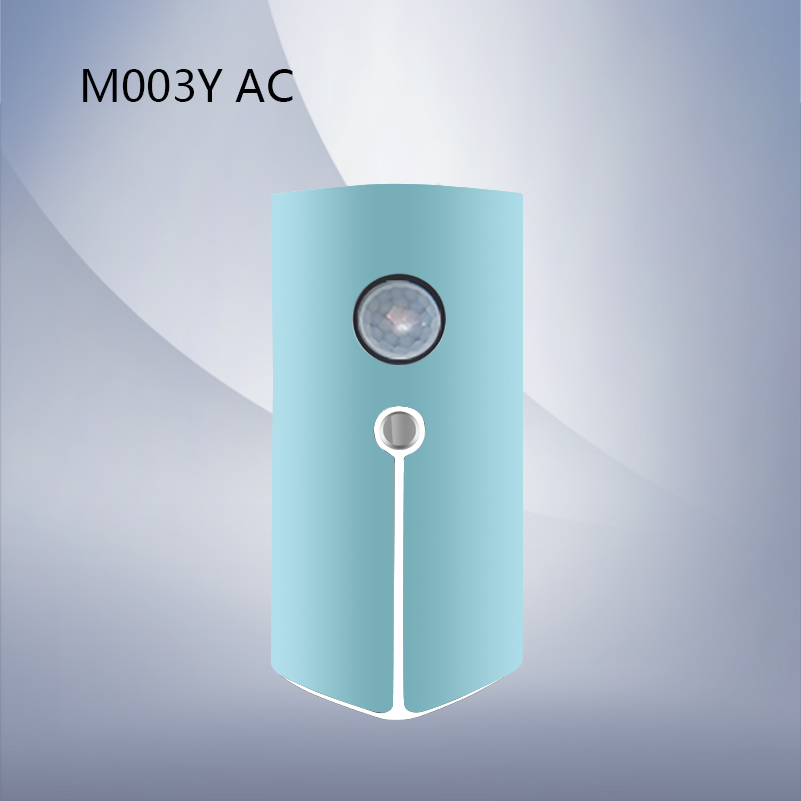
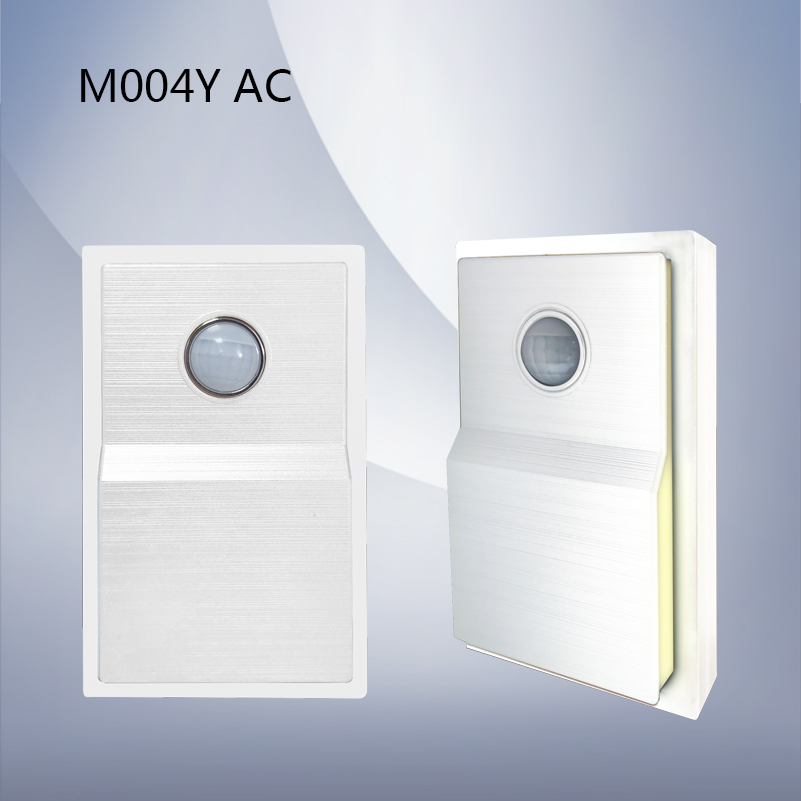
Night Lights
Source wholesale night lights directly from vetted manufacturers and suppliers. Designed for importers, distributors, and brands seeking reliable OEM and private-label production, our network delivers compliant, high-quality indoor lighting solutions at scale.
Sourcing night lights in commercial volumes requires balancing unit cost with strict electrical safety standards and reliable sensor performance. Whether you are importing plug-in dusk-to-dawn models, motion-activated stair lights, or rechargeable silicone nursery lamps, long-term success depends on component consistency and rigorous factory-level testing.
Core Specifications and Component Selection
The reliability of a night light is dictated by its printed circuit board (PCB), sensor quality, and housing material. When negotiating with manufacturers, specifying the exact components prevents unwanted substitutions on the assembly line.
- Housing Materials: Plug-in models must use fire-retardant plastics. Specify UL94 V-0 rated Polycarbonate (PC) rather than standard ABS to ensure compliance with strict electrical safety standards. For nursery and portable lights, food-grade, BPA-free silicone is mandatory.
- Sensor Technology: Most modern night lights rely on a combination of Passive Infrared (PIR) for motion and photocells (CdS photoresistors or phototransistors) for ambient light detection. Specify the lux threshold (typically turning on under 10 lux and off over 30 lux) to prevent flickering at dusk.
- LED Chips and Drivers: Specify SMD 2835 or SMD 5050 chips with a defined color temperature (CCT). Warm white (2700K to 3000K) is standard for sleep environments. The driver must isolate the high voltage AC input from the low voltage DC LED circuit to prevent shock hazards.
| Component | Standard Market | Premium / Brand Level |
|---|---|---|
| Housing | Standard ABS | Virgin Fire-Retardant PC (V0) |
| Sensors | Basic Photocell | Dual PIR + Ambient Light Sensor |
| LED Quality | Generic SMD (Low CRI) | Branded SMD (High CRI, 50k hrs) |
| Power Supply | Non-isolated RC dropper | Isolated IC Driver |
Need help verifying supplier component quality? We can audit factory BOMs before you place an order.
Talk to our teamManufacturing Tolerances and Quality Control
Night light manufacturing is heavily automated during the PCB assembly (SMT) phase, but final assembly and testing are often manual. This transition point is where defects commonly occur.
Managing these risks requires comprehensive Quality Control & Inspection protocols. Look for factories that utilize automated optical inspection (AOI) for PCBs and aging racks for finished products.
Critical QC Checks for Night Lights
- Hipot (Dielectric Withstand) Testing: Ensure insulation prevents electrical breakdown.
- Sensor Calibration Verification: Test activation and deactivation at specific lux levels.
- Aging Test: Minimum 4-hour burn-in test at maximum voltage to identify early LED or driver failures.
- Drop and Impact Testing: Verify housing integrity, especially for plug prongs which must not loosen.
- Standby Power Measurement: Ensure parasitic draw is under 0.5W to meet energy efficiency standards.
Compliance and Certifications
Electrical products face intense regulatory scrutiny. Depending on your market, you will need specific certifications. For the US, UL or ETL marks are standard for plug-in devices, while FCC Part 15 applies to any device emitting radio frequencies (including smart lights). In Europe, CE (LVD and EMC directives) and RoHS compliance are mandatory. Partnering with a firm that handles Compliance & Testing ensures your products will not be seized at customs or rejected by major retailers.
OEM/ODM and Customization
For brands looking to differentiate, custom tooling and modified PCBs offer a competitive edge. Developing a unique form factor requires a new injection mold, while adding smart features (like Wi-Fi connectivity or RGB color changing) requires PCB redesigns and firmware development.
Public Molds vs. Custom Tooling (OEM)
Advantages
- Public Molds: Zero tooling cost, faster time to market, lower initial MOQs.
- Custom Tooling: Exclusive design rights, tailored internal layouts for premium components, exact brand alignment.
Disadvantages
- Public Molds: High market saturation, limited ability to upgrade internal space for better isolated drivers.
- Custom Tooling: Upfront mold costs ($3,000 to $8,000+), extended lead times for prototyping and mold adjustments.
If you are pursuing a custom design, utilizing professional OEM/ODM Services ensures the factory's engineering team accurately translates your CAD files into production-ready molds without compromising electrical safety clearances.
Pricing, MOQs, and Lead Times
Volume pricing for night lights is highly sensitive to the type of power supply, sensor complexity, and housing material.
When negotiating, be aware that unusually low quotes often indicate the use of non-isolated RC dropper circuits instead of safer, isolated IC drivers, or the use of recycled plastics instead of virgin V-0 rated polycarbonate.
Let us negotiate pricing and terms with vetted lighting manufacturers on your behalf.
Get a free consultationFrequently Asked Questions
Successfully sourcing night lights means looking past the external design and focusing heavily on internal electrical safety and component lifespan. By establishing strict BOM requirements and enforcing rigorous testing on the assembly line, you can import high-volume lighting products that protect your brand's reputation and bottom line.
Get Sourcing Help for Night Lights
Tell us your requirements and our experts will connect you with verified manufacturers.