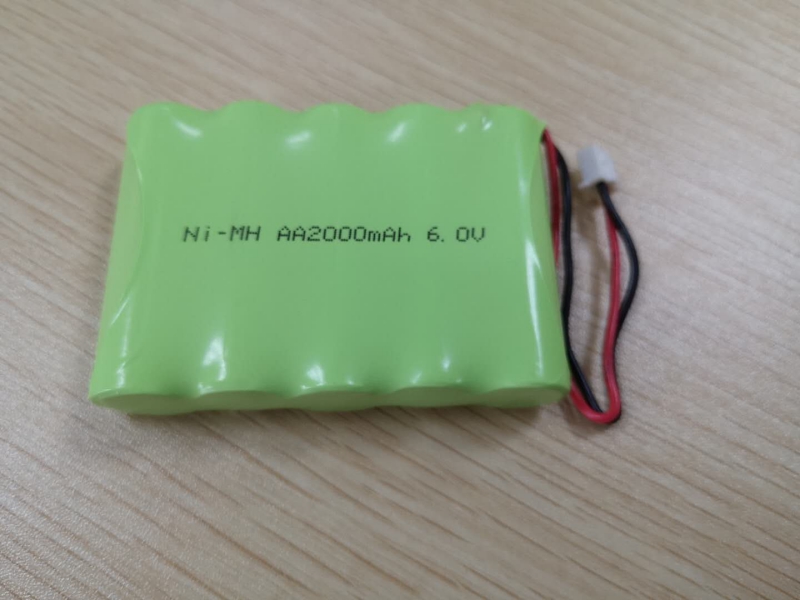
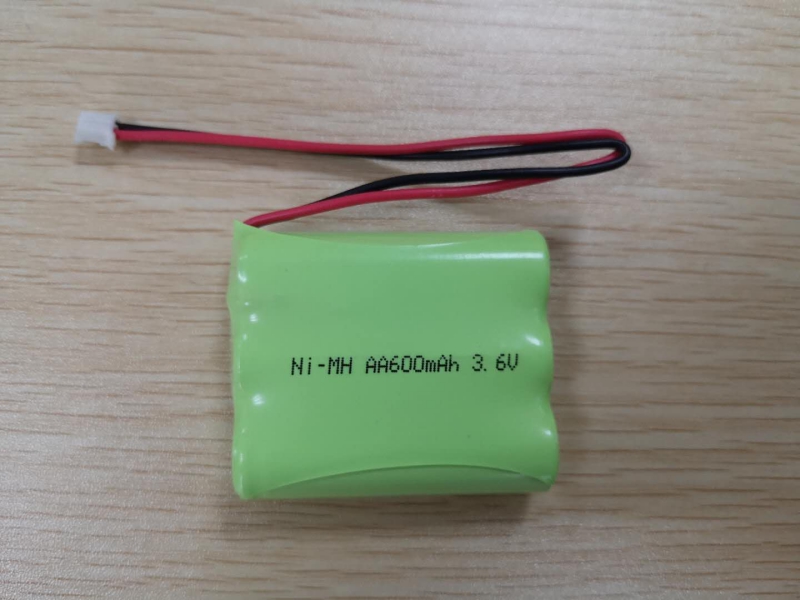
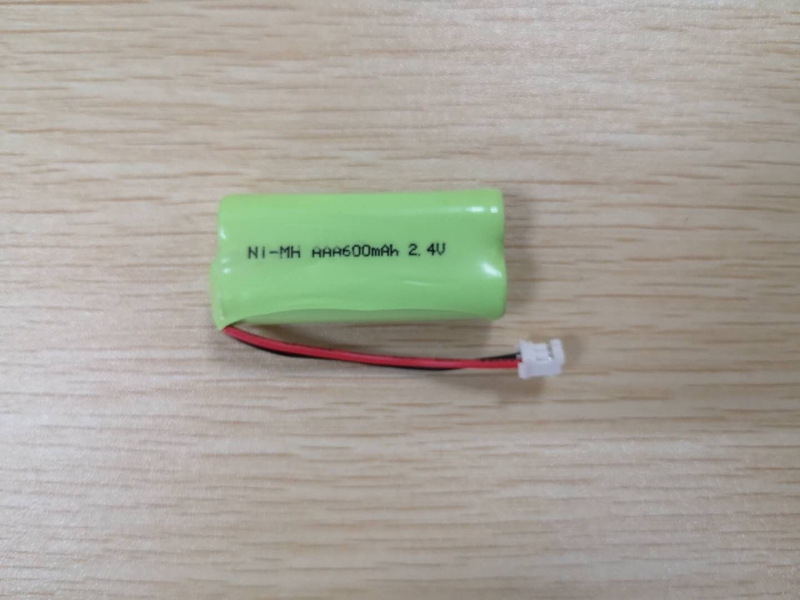
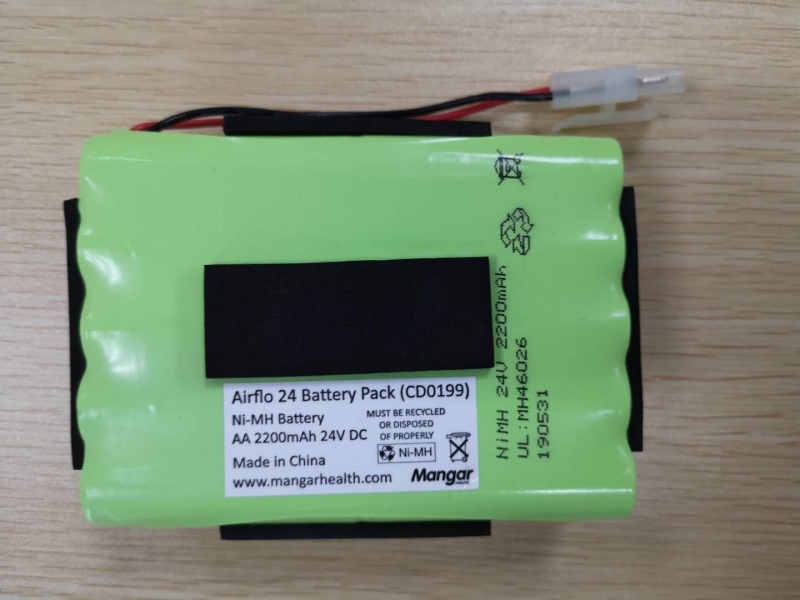
Nickel-metal Hydride Battery
Source high-quality Nickel-metal Hydride Batteries (NiMH) from vetted manufacturers and suppliers. Designed for importers, distributors, and electronics brands seeking reliable bulk purchasing and OEM/ODM production. Secure competitive wholesale pricing on durable, high-capacity power solutions.
While lithium-ion dominates headlines, Nickel-metal Hydride (NiMH) batteries remain a critical power source for medical devices, industrial tools, and consumer electronics due to their superior safety profile, standard sizing, and lack of stringent shipping restrictions. However, sourcing NiMH cells in bulk requires navigating a fragmented manufacturing base where nominal specifications on a datasheet frequently diverge from real-world performance.
Success in NiMH procurement depends on strict supplier vetting, rigorous capacity verification, and robust quality control protocols on the factory floor.
Specifying NiMH Batteries for Bulk Orders
When negotiating with manufacturers, vague specifications lead to inconsistent batches. Professional buyers must define exact parameters beyond just voltage and physical size (AA, AAA, C, D, or custom packs).
- True Capacity (mAh): Specify the exact discharge rate (e.g., 0.2C) used to measure capacity. Low-tier suppliers often inflate nominal capacity by testing at unrealistically low discharge rates.
- Internal Resistance (IR): High IR leads to voltage sag under load and excess heat generation. Specify maximum acceptable IR limits for your application.
- Cycle Life: Define the expected capacity retention (e.g., retaining 80 percent capacity after 500 cycles at 0.5C charge/discharge).
Standard vs. Low Self-Discharge (LSD)
One of the most critical decisions in NiMH sourcing is choosing between standard chemistry and Low Self-Discharge (LSD) variants.
| Chemistry Type | Typical Self-Discharge (1 Year) | Ideal Applications |
|---|---|---|
| Standard NiMH | Up to 50 percent | High-drain, frequent use (e.g., power tools) |
| LSD NiMH | 15 to 20 percent | Intermittent use, retail-ready electronics |
Struggling to verify supplier battery capacities? Let our engineers handle the factory vetting and technical negotiations.
Talk to our teamManufacturing Quality and Defect Prevention
The longevity and safety of a NiMH battery are dictated by the purity of the active materials and the precision of the assembly process. Poor manufacturing leads to rapid capacity fade, venting, or premature short circuits.
Before placing large orders, rigorous Factory Audits are essential to verify the supplier's automated winding and sealing capabilities.
Critical Factory-Level QC Checks
- Electrolyte Purity: Contaminants accelerate self-discharge and reduce cycle life.
- Separator Quality: Substandard separators degrade quickly, causing internal micro-shorts.
- Electrode Coating Consistency: Uneven coating leads to localized hot spots during rapid charging.
- Sealing Integrity: Improper crimping causes electrolyte leakage and premature cell failure.
- Aging Process: Cells must be properly aged and capacity-sorted before packing to ensure pack balance.
To prevent defective batches from leaving the facility, implement strict Quality Control & Inspection protocols, including pre-shipment lot testing for capacity, IR, and dimensional tolerances.
Compliance and Testing Requirements
While NiMH batteries are inherently safer than lithium-based alternatives, they still require specific certifications to clear customs and enter major markets legally. Ensure your supplier can provide authentic, verifiable test reports.
- UN38.3: Required for international transport, proving the cells can withstand altitude, thermal, and vibration stress.
- IEC 61951-2: The international standard specifically governing the performance and safety of secondary NiMH cells.
- RoHS & REACH: Mandatory for the European market to certify the absence of restricted hazardous substances.
If a supplier hesitates to provide these documents, or if you need to certify a custom battery pack, utilizing professional Compliance & Testing services is a necessary safeguard.
Pricing, MOQs, and Production Realities
NiMH pricing is heavily influenced by global nickel commodity prices, the specific cell capacity, and whether you are buying standard cylindrical cells or custom-welded battery packs.
For brands requiring specific terminal configurations, shrink-wrap branding, or protective circuitry, engaging OEM/ODM Services ensures the factory builds the pack exactly to your product's spatial and electrical constraints.
Need a reliable supply chain for custom NiMH battery packs? We manage the entire process from prototype to final delivery.
Get a free consultationFrequently Asked Questions
When sourcing NiMH batteries, the upfront cost per cell is only one factor. A supplier's ability to deliver consistent capacity, maintain stable internal resistance across batches, and provide valid compliance documentation ultimately dictates your total cost of ownership. Partnering with experienced sourcing professionals ensures your power supply remains reliable, compliant, and cost-effective.
Get Sourcing Help for Nickel-metal Hydride Battery
Tell us your requirements and our experts will connect you with verified manufacturers.