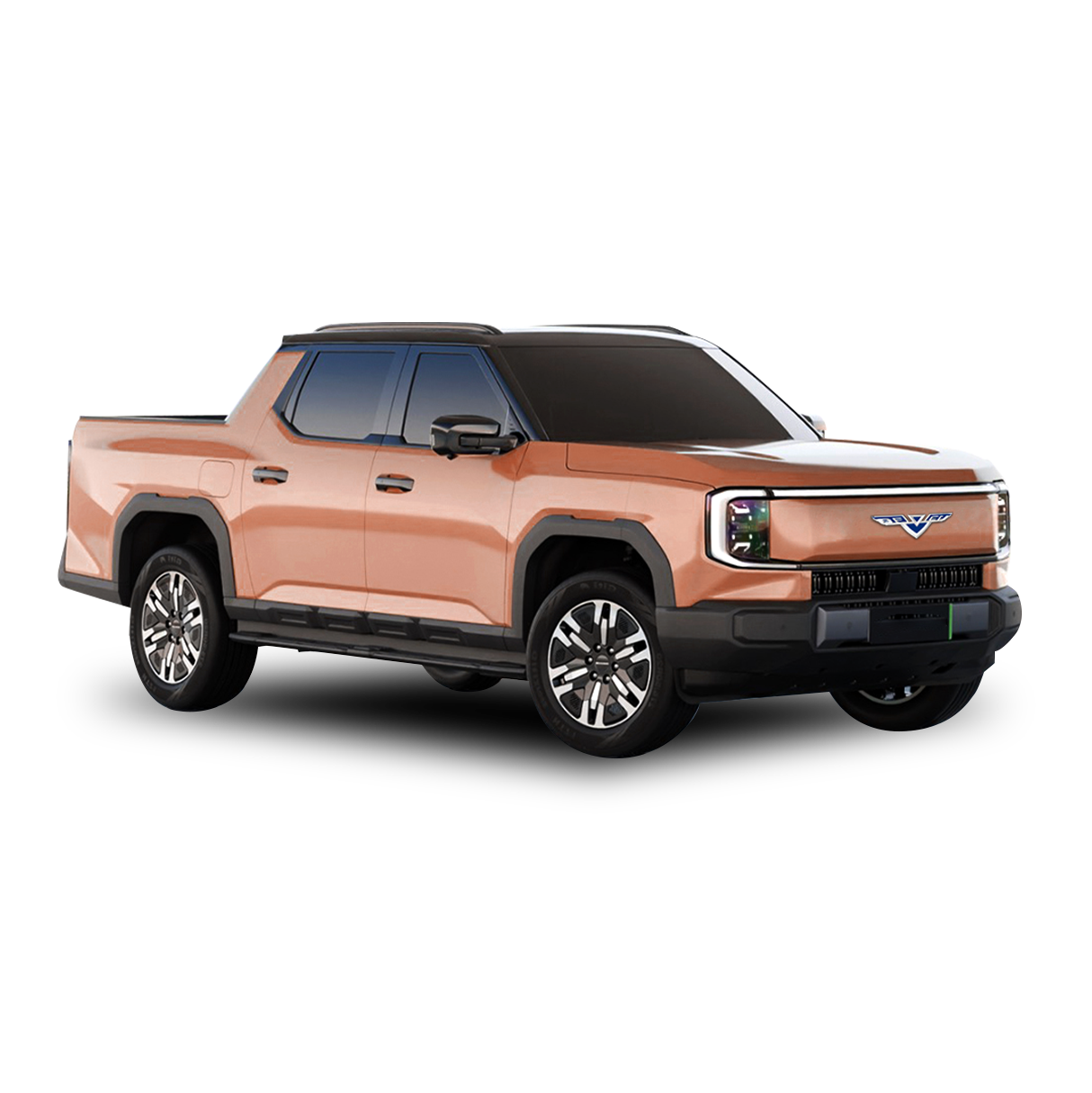
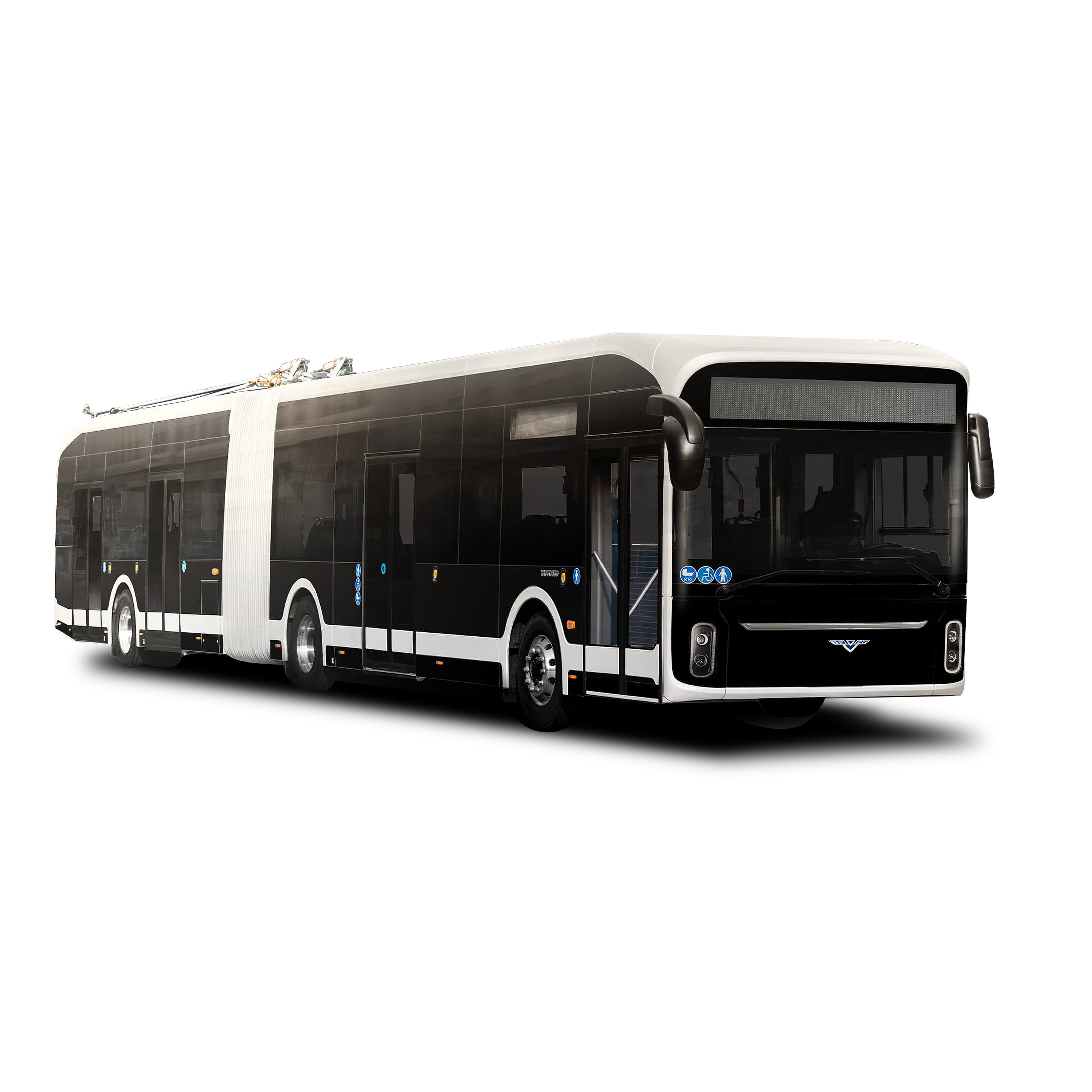
New Energy Vehicles
Source wholesale New Energy Vehicles from vetted suppliers and manufacturers. Designed for importers, fleet distributors, and brands seeking reliable OEM production, our network provides direct access to top-tier factories. Compare wholesale pricing, MOQs, and technical specs for bulk NEV procurement.
Sourcing New Energy Vehicles (NEVs) at scale requires navigating a complex matrix of battery chemistries, regional charging standards, and stringent homologation requirements. Whether you are procuring commercial utility fleets, low-speed urban transport, or passenger EVs, securing a reliable supply chain hinges on rigorous factory vetting and precise technical specification. The Asian manufacturing ecosystem offers unparalleled production capacity, but separating tier-one automotive assemblers from opportunistic assemblers requires deep technical due diligence.
Core Technical Specifications to Define
When negotiating with NEV manufacturers, the bill of materials is dominated by the battery pack and the electric drive unit. Specifying the right components dictates both the vehicle's market viability and its landed cost. You must explicitly define these parameters before requesting a quotation:
- Battery Chemistry and Capacity: The choice between LFP (Lithium Iron Phosphate) and NMC (Nickel Manganese Cobalt) impacts energy density, thermal stability, and price. Capacity must be specified in kWh, mapped against your target range (using WLTP or NEDC testing cycles).
- Motor Configuration: Specify the motor type (typically Permanent Magnet Synchronous Motors or AC Asynchronous), peak and rated power in kW, and maximum torque in Nm.
- Charging Infrastructure Compatibility: Vehicles must be equipped with the correct onboard charger (OBC) capacity (e.g., 3.3kW, 6.6kW, or 11kW) and physical charging ports matched to your destination market (CCS1/CCS2, CHAdeMO, or GB/T).
- Thermal Management: For markets with extreme climates, liquid cooling and heating systems for the battery pack are non-negotiable to prevent accelerated degradation.
| Chemistry | Energy Density | Thermal Stability | Cost Profile |
|---|---|---|---|
| LFP (Lithium Iron Phosphate) | Lower (heavier pack) | Excellent (high safety margin) | Highly cost-effective |
| NMC (Nickel Manganese Cobalt) | High (longer range) | Requires robust cooling | Premium pricing |
Need help verifying supplier technical capabilities and BMS integration? Our engineering team can evaluate factory specifications on your behalf.
Talk to our teamManufacturing Tolerances and Quality Control
Automotive manufacturing requires entirely different vetting standards compared to consumer goods. A supplier's ability to seamlessly integrate the Battery Management System (BMS) with the Vehicle Control Unit (VCU) is critical. Many export-focused factories assemble vehicles using off-the-shelf components, which can lead to software integration failures and parasitic battery drain if not properly engineered.
Conducting thorough Factory Audits is essential to verify the manufacturer's actual capabilities. You need to confirm they possess in-house chassis welding (using robotic automation for consistency), cathodic electrodeposition (CED) coating for rust prevention, and rigorous end-of-line testing.
Critical End-of-Line QA Checks
- High-voltage insulation resistance testing to prevent ground faults.
- BMS calibration and state-of-charge (SOC) accuracy verification.
- Water ingress testing (IP67 standard for battery and motor enclosures).
- Chassis dynamometer testing for drivetrain efficiency and braking performance.
- Software flashing and VCU diagnostic checks.
Homologation and Market Compliance
Importing vehicles means clearing high regulatory hurdles. A vehicle that is legal in its country of origin cannot simply be shipped and sold elsewhere. Homologation is the process of certifying that a vehicle meets the destination market's safety and environmental standards (such as WVTA in Europe, or FMVSS in the United States).
Never assume a factory's existing certifications apply to your specific build or market. Securing Compliance & Testing early in the procurement cycle prevents costly customs rejections. If you are developing a localized vehicle under your own brand, utilizing OEM/ODM Services allows you to integrate market-specific safety features—like advanced driver-assistance systems (ADAS) or specific pedestrian warning sounds—directly into the production line.
Pricing Mechanics, MOQs, and Logistics
The NEV supply chain operates on significant economies of scale. Tooling costs for custom body panels or interior molds are substantial, making off-the-shelf chassis with customized badging the most viable route for mid-volume importers.
Transporting high-voltage vehicles introduces complex logistical challenges. Depending on the vehicle size and volume, shipments will require either specialized RoRo (Roll-on/Roll-off) vessels or careful containerization with specific lashing and blocking protocols. Furthermore, batteries are classified as dangerous goods (Class 9), requiring specialized documentation. Engaging professional Shipping & Freight management ensures compliance with IMDG codes and prevents port delays.
Struggling with high freight costs or dangerous goods documentation? Let us streamline your NEV logistics and supply chain.
Get a free consultationFrequently Asked Questions
Successfully importing New Energy Vehicles requires more than just finding a willing supplier; it demands rigorous validation of engineering, compliance, and logistics. By treating the procurement process as a technical integration project rather than a simple commodity purchase, you can secure reliable fleets that meet both regulatory standards and your commercial targets.
Get Sourcing Help for New Energy Vehicles
Tell us your requirements and our experts will connect you with verified manufacturers.