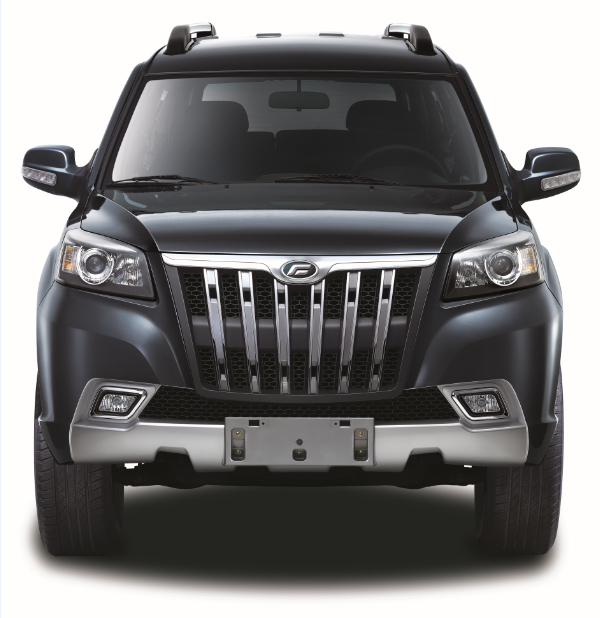
New Cars
Source new cars in volume directly from vetted manufacturers and authorized export agents. Designed for regional distributors, fleet operators, and parallel importers, this selection covers bulk procurement of left-hand and right-hand drive vehicles, ensuring competitive pricing and reliable supply chains for both ICE and NEV fleets.
B2B procurement of new vehicles is shifting rapidly as Asian manufacturers dominate both the internal combustion engine (ICE) and new energy vehicle (NEV) export markets. For regional distributors, parallel importers, and fleet buyers, the challenge isn't just securing inventory. Successful automotive sourcing requires navigating strict destination homologation standards, verifying export licenses, managing software localization, and executing complex international vehicle logistics.
Homologation and Technical Specifications
The most critical barrier in international vehicle trade is ensuring the units meet your destination market's legal requirements. Vehicles manufactured for the domestic market often require physical or software modifications before they can be legally registered elsewhere.
When negotiating with suppliers, you must specify the exact regulatory framework your market requires. For ICE vehicles, this primarily concerns emissions standards (e.g., Euro 4, Euro 5, or Euro 6). For NEVs, the focus shifts to charging port standards (GB/T, CCS1, CCS2, or CHAdeMO) and battery certifications (UN38.3).
If you are importing domestic-spec vehicles for parallel export, be aware of range rating discrepancies. Domestic NEVs typically advertise CLTC (China Light-Duty Vehicle Test Cycle) ranges, which are notably more optimistic than WLTP (Worldwide Harmonized Light Vehicles Test Procedure) or EPA ratings.
Software and Connectivity Localization
Modern vehicles are highly digitized. Domestic-market infotainment systems often lack English or regional language support out of the box and may not support international app ecosystems (like Google Automotive Services or Apple CarPlay). Ensure your supplier can provide factory-authorized firmware flashing or hardware modules for localization before shipment.
To mitigate regulatory risks, many buyers utilize professional Compliance & Testing services to verify that vehicles meet local safety and environmental standards before finalizing the purchase agreement.
Struggling with homologation or export licensing? Let our automotive sourcing experts streamline your procurement process.
Talk to our teamSourcing Channels: OEMs vs. Export Agents
Securing new vehicles generally falls into two distinct procurement channels, each with its own requirements and limitations.
- Direct OEM Agreements: Establishing an official distributorship with a Tier 1 manufacturer offers the best pricing, full warranty support, and localized vehicles. However, OEMs demand extensive due diligence, multi-million dollar capital commitments, and strict annual sales targets.
- Authorized Export Agents: For parallel importers or buyers needing smaller fleets, authorized export trading companies are the standard route. These agents hold government-issued export licenses for specific brands. While they offer much lower MOQs, buyers must be vigilant about vehicle condition, build dates, and export documentation.
Navigating these channels requires extensive vetting. Partnering with a partner for Product Sourcing ensures you are dealing with legitimately licensed agents rather than unauthorized middlemen who cannot guarantee clear titles or export clearance.
Pre-Shipment Quality Assurance
Even with brand-new vehicles, quality control at the point of origin is non-negotiable. Vehicles can sit in holding lots for months, leading to battery degradation, lot rot, or transit damage before they even reach the port.
Pre-Shipment Vehicle Inspection Points
- VIN verification against export documentation and CoC (Certificate of Conformity)
- Battery State of Health (SoH) and State of Charge (SoC) for NEVs (must typically be under 30% for maritime shipping)
- Paint depth and exterior inspection for lot damage or port-handling scratches
- Tire condition and manufacturing date codes to ensure fresh rubber
- Verification of localized firmware installation and infotainment functionality
Implementing rigorous Quality Control & Inspection prior to loading ensures that any discrepancies are resolved while the vehicles are still in the country of origin.
Vehicle Logistics and Shipping Operations
Moving finished vehicles internationally requires specialized logistics. The choice of transport heavily impacts your landed cost and lead time.
| Shipping Method | Standard Capacity | Best Used For |
|---|---|---|
| RoRo (Roll-on/Roll-off) | Thousands of units per vessel | Large fleet orders and official distributor volumes |
| Containerized (40HQ) | 2 to 3 vehicles (ICE) or 2 vehicles (NEV) | Parallel imports, smaller batches, or destinations lacking RoRo routes |
| Block Train (Rail) | Up to 3 vehicles per container, ~100+ per train | Overland routes to Central Asia and Europe |
Containerizing vehicles requires specialized lashing and racking systems. NEVs also face strict maritime regulations regarding battery safety. Coordinating with an experienced Shipping & Freight provider is essential to secure vessel space, especially during RoRo capacity shortages.
Need reliable freight solutions for bulk vehicle shipments? We handle RoRo booking, container racking, and customs clearance.
Get a free consultationMOQs, Pricing Drivers, and Lead Times
Automotive pricing is highly dynamic, influenced by domestic market subsidies, currency exchange rates, and factory production cycles.
- Minimum Order Quantities (MOQs): Authorized export agents typically require an MOQ of 3 to 5 units for containerized shipping. Official OEM distributorships usually require initial commitments exceeding 100 units.
- Pricing Drivers: Beyond the base vehicle cost, factor in the export license fee, port handling charges, racking materials (if containerized), and inland transport to the departure port.
- Lead Times: Stock vehicles from export agents can be ready for port delivery in 2 to 4 weeks. Factory-ordered vehicles with specific LHD/RHD configurations or regional homologation packages typically require 60 to 120 days of lead time.
Frequently Asked Questions
Successfully sourcing new cars in volume demands a precise alignment of compliance, capital, and logistics. By securing the right export channels and enforcing strict pre-shipment inspections, buyers can capitalize on global automotive pricing disparities while mitigating the risks of cross-border vehicle trade.
Get Sourcing Help for New Cars
Tell us your requirements and our experts will connect you with verified manufacturers.