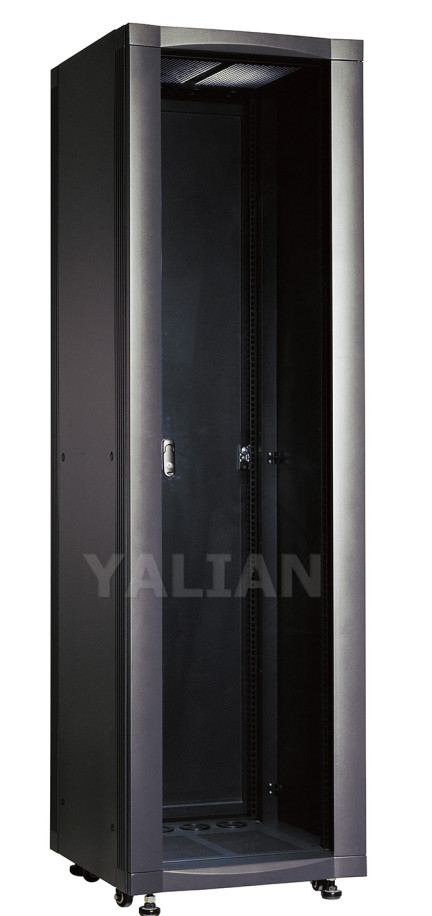
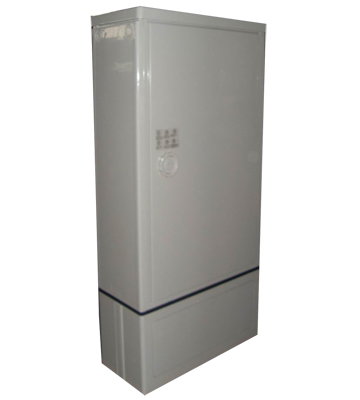
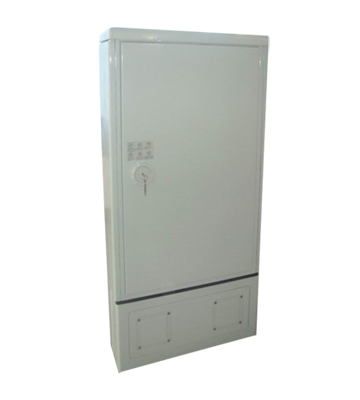
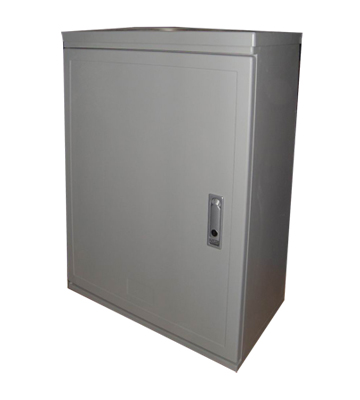
Network Cabinets
Source high-quality network cabinets in bulk from vetted manufacturers and wholesale suppliers. Designed for importers, IT distributors, and brands seeking reliable OEM production, our network racks meet strict EIA-310 standards. Secure competitive pricing on server enclosures built for demanding infrastructure.
Sourcing network cabinets at scale is an exercise in balancing structural integrity with shipping efficiency. For procurement managers and IT distributors, the challenge isn't just finding a factory that can bend metal; it is ensuring the final product consistently meets EIA-310 standards, supports its stated static load capacity, and arrives without warping.
When buying in volume, the true cost of a network cabinet is heavily dictated by steel thickness, surface treatment quality, and how efficiently the units can be packed for international freight.
Critical Material and Structural Specifications
The foundation of any enterprise-grade network cabinet is SPCC (Cold Rolled Steel). While some low-cost suppliers may offer inferior grades or thinner gauges to hit a target price, structural reliability depends entirely on the steel gauge used for the load-bearing profiles.
Mounting profiles should never fall below 1.5mm in thickness, while the main frame typically requires 1.2mm. For heavy-duty server cabinets (42U and above), mounting profiles often increase to 2.0mm to support static loads exceeding 800kg.
| Specification | Standard Telecom Cabinet | Heavy-Duty Server Cabinet |
|---|---|---|
| Mounting Profile Gauge | 1.5mm SPCC | 2.0mm SPCC |
| Frame Gauge | 1.2mm SPCC | 1.5mm SPCC |
| Static Load Capacity | 400kg - 600kg | 800kg - 1000kg+ |
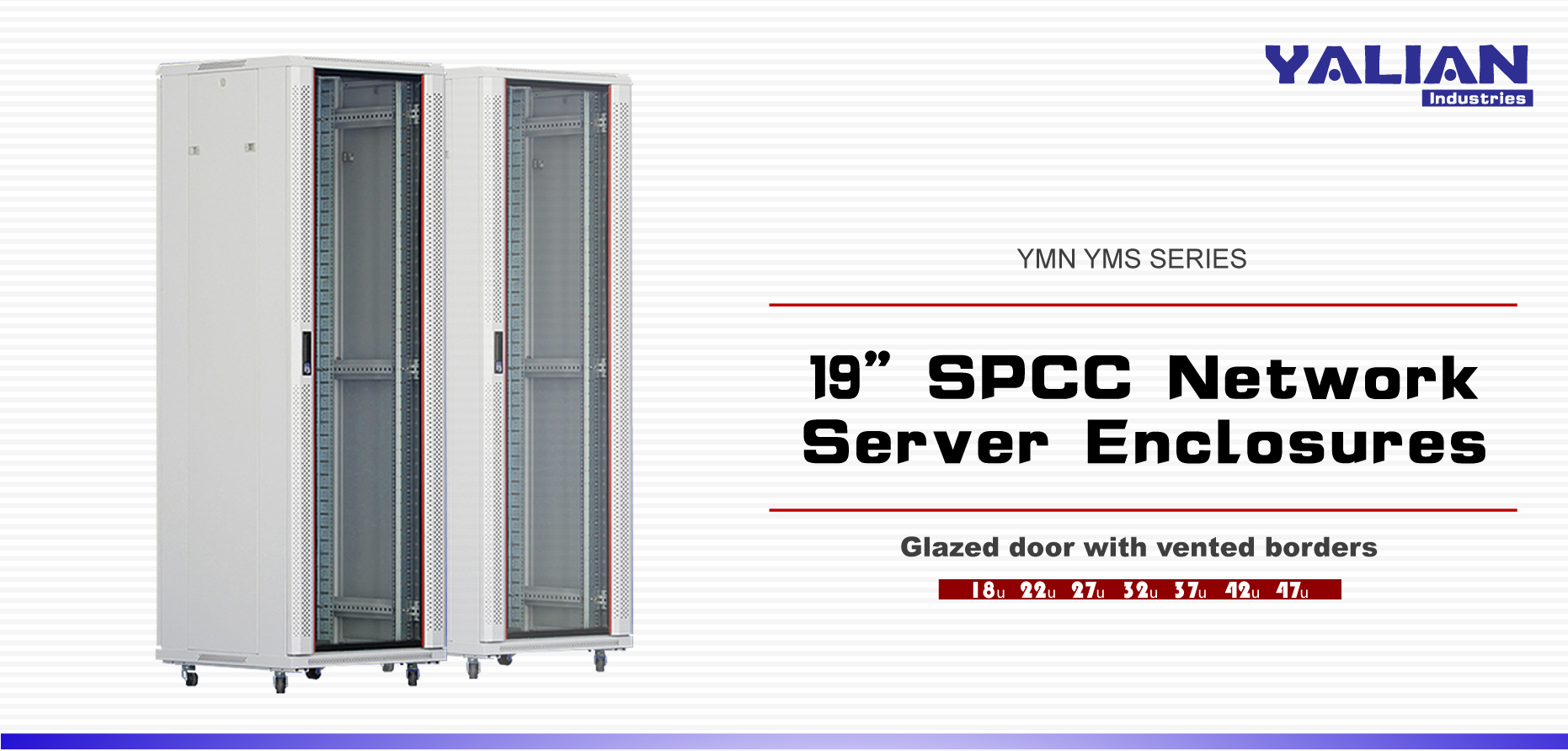
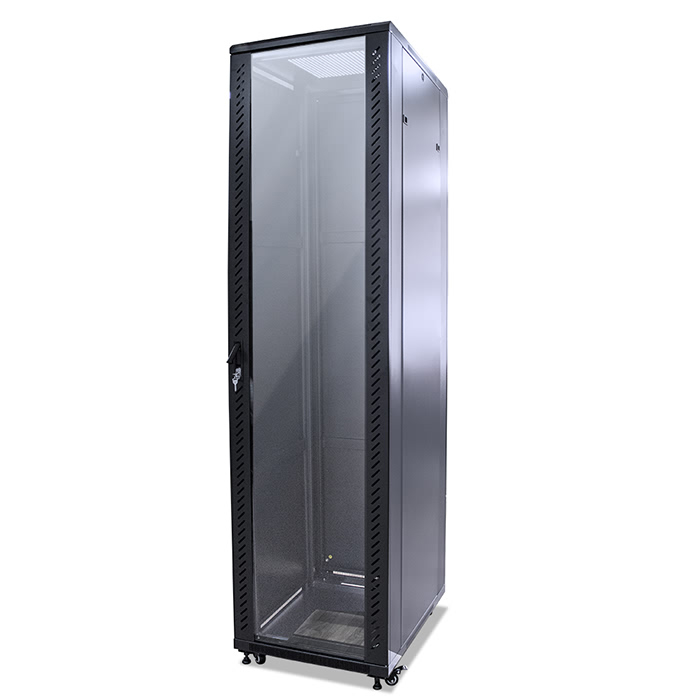
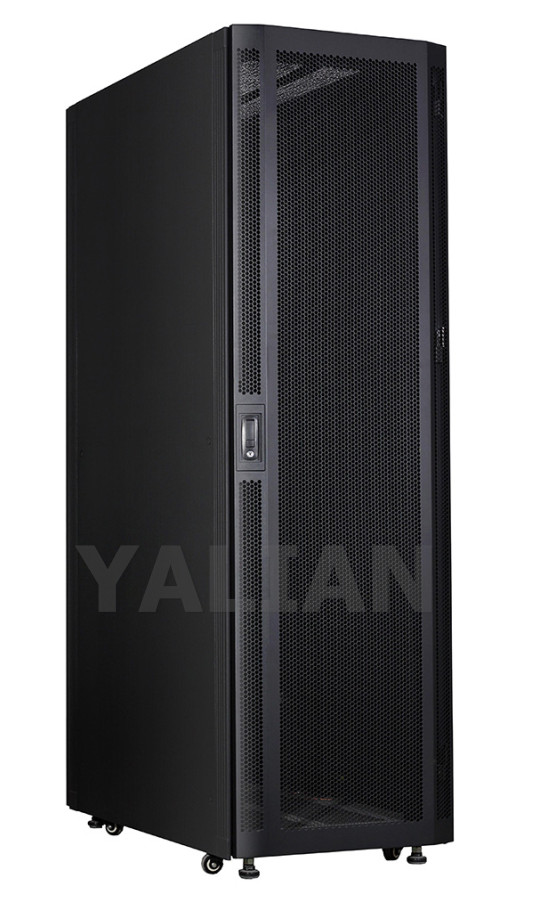
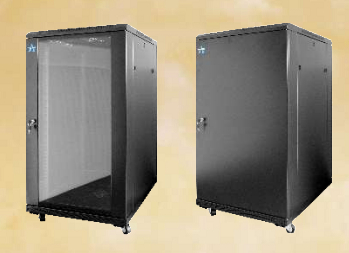
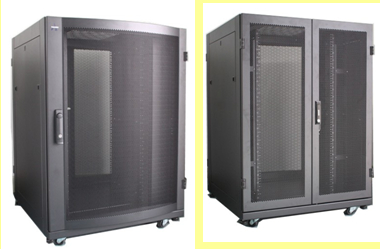
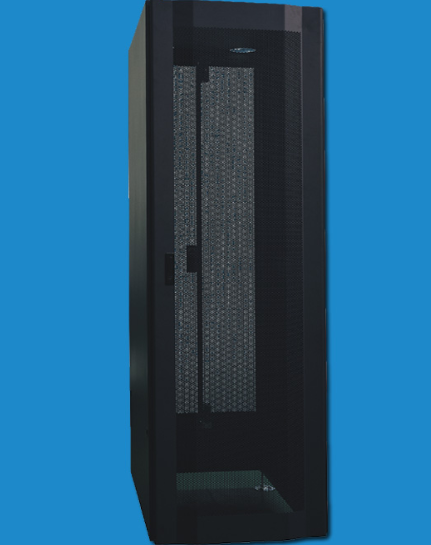
| Door Type | Toughened Glass | High-Density Perforated (Mesh) |
Beyond the steel itself, the surface treatment process dictates the cabinet's lifespan. A proper manufacturing line will run the steel through degreasing, acid pickling, rust prevention, and phosphating before applying an electrostatic powder coating. Skipping the phosphating step—a common cost-down tactic—results in powder coating that easily chips during assembly or transit, leading to rapid oxidation.
Need to verify a supplier's steel sourcing and stamping capabilities? We audit factory production lines to ensure they meet your exact technical specifications.
Talk to our teamManufacturing Traps and Quality Control
The primary risk when importing network cabinets is "gauge cheating." A factory might submit a golden sample with 2.0mm mounting rails, but mass production units arrive at 1.5mm, drastically reducing the static load capacity. Because network cabinets are painted, measuring the true steel thickness requires subtracting the powder coating layer (typically 60 to 80 microns) during inspection.
To prevent this, rigorous Quality Control & Inspection must be implemented before the container is loaded.
Pre-Shipment QC Focus Areas for Network Cabinets
- Micrometer checks on mounting profiles and frames (accounting for paint thickness).
- EIA-310-D compliance verification (exact distance between mounting holes).
- Door hinge alignment and lock mechanism functionality under slight frame torque.
- Adhesion testing on the electrostatic powder coating (cross-hatch test).
- Verification of grounding wire continuity across all removable panels.
The Logistics Challenge: CKD vs. Fully Assembled
Network cabinets are inherently high-volume, low-density cargo. Shipping a 42U cabinet fully assembled means you are paying to ship mostly empty air. To optimize freight costs, most bulk buyers import cabinets in a CKD (Completely Knocked Down) or flat-pack configuration.
CKD (Flat-Pack) Shipping
Advantages
- Maximizes container space (up to 3x more units per 40HQ).
- Significantly lowers landed cost per unit.
- Reduces the risk of frame warping during ocean transit.
Disadvantages
- Requires assembly labor at the destination or by the end-user.
- Demands extreme manufacturing precision; misaligned screw holes make assembly impossible.
- Missing hardware (screws/cage nuts) ruins the user experience.
Because CKD shipping relies entirely on the factory's CNC punching and bending precision, conducting thorough Factory Audits before placing an order is non-negotiable. If the factory's tooling is worn, the flat-pack parts will not align properly on site.
Pricing, MOQs, and Lead Times
Pricing for network cabinets is heavily indexed to the global cost of raw steel. When negotiating, expect pricing to fluctuate based on commodity indexes.
- Minimum Order Quantities (MOQs): Because of the shipping dynamics, MOQs are rarely based on unit count. Instead, factories typically require a 1x20ft container (roughly 50 to 150 units, depending on U-height and whether they are flat-packed) to run a production batch.
- Lead Times: Standard production lead times range from 25 to 35 days. Custom OEM orders requiring bespoke tooling for unique cable management routing or custom perforation patterns may add 15 to 20 days to the initial run.
- Customization: Brands looking for specific branding can utilize OEM/ODM Services to customize silk-screened logos, custom RAL color codes, and specialized PDU mounting brackets.
Struggling to optimize your container loads? Let us manage the supplier coordination and freight consolidation to maximize your landed margins.
Get a free consultationFrequently Asked Questions
Successfully sourcing network cabinets requires strict oversight of raw material inputs and precise coordination of logistics. By prioritizing verified steel gauges and optimizing your flat-pack container strategy, you can protect your margins without compromising the structural integrity your clients demand.
Get Sourcing Help for Network Cabinets
Tell us your requirements and our experts will connect you with verified manufacturers.