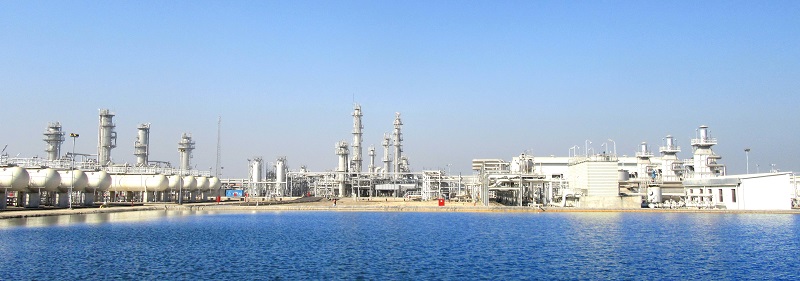
Natural Gas Extraction Engineering
Source comprehensive Natural Gas Extraction Engineering solutions, modular equipment, and process skids from vetted suppliers and manufacturers. Designed for EPC contractors, project developers, and procurement managers requiring API and ASME compliant systems for high-pressure upstream operations.
Sourcing equipment and modular systems for natural gas extraction requires navigating complex engineering specifications, stringent international pressure codes, and heavy-lift logistics. Whether you are procuring wellhead assemblies, separation skids, or gas dehydration units, success depends on partnering with fabricators who possess proven engineering capabilities and verifiable quality management systems.
Core Engineering Specifications
When procuring extraction equipment, component interoperability and material integrity are paramount. Procurement managers must define exact operating parameters, as off-the-shelf solutions rarely apply to high-pressure or sour gas environments.
Key parameters to define in your Request for Quotation (RFQ) include:
- Operating Pressure & Temperature: Specify MAWP (Maximum Allowable Working Pressure) in psi or bar, and design temperature ranges.
- Flow Capacity: Typically measured in MMSCFD (Million Standard Cubic Feet per Day).
- Fluid Composition: Exact percentages of H2S, CO2, and water to determine metallurgy (e.g., standard carbon steel vs. duplex stainless steel or Inconel cladding).
- Footprint Constraints: Dimensions and weight limits for skid-mounted units, especially for offshore or remote onshore deployments.
| Deployment Approach | Initial CapEx | Site Installation Time | Quality Control |
|---|---|---|---|
| Modular Skid-Mounted | Higher | Minimal (Plug-and-Play) | Centralized at Factory |
| Stick-Built (On-Site) | Lower | Extended (Months) | Variable (Field dependent) |
Need to identify qualified fabricators for your modular extraction skids? Connect with us to discuss your project parameters.
Consult our engineering sourcing teamManufacturing Standards and Material Traceability
The primary risk in sourcing natural gas extraction equipment from overseas fabricators is a lapse in material traceability or welding quality. Pressure vessels and piping must comply strictly with ASME BPVC (Section VIII) and API codes (such as API 6A for wellheads). For sour gas environments, compliance with NACE MR0175/ISO 15156 is non-negotiable to prevent sulfide stress cracking.
Relying solely on a supplier's digital certificates is risky. Verifying a fabricator's actual capacity to hold API monograms and ASME U-stamps requires comprehensive factory audits before any contracts are signed.
Factory Acceptance Testing (FAT)
Before any equipment leaves the facility, a rigorous FAT must be conducted. This is where quality control & inspection teams verify that the physical build matches the engineering schematics.
Critical FAT Verification Points
- Material Test Reports (MTRs) cross-checked against physical heat numbers
- Non-Destructive Testing (NDT) reports for 100 percent of critical welds (RT/UT)
- Hydrostatic pressure testing held for the specified duration without pressure drop
- Instrumentation loop checks and control panel functionality
- Coating thickness (DFT) and holiday testing for corrosion protection
Project Timelines, Lead Times, and Logistics
Procuring engineered extraction systems is a capital-intensive, project-based endeavor. Standard MOQs do not apply; instead, suppliers operate on a per-project basis. Lead times are heavily influenced by the availability of specialized raw materials (like high-nickel alloys) and the complexity of the engineering design phase.
Managing Heavy Freight
Extraction equipment rarely fits in standard shipping containers. Modular skids, pressure vessels, and compressor units typically require Out of Gauge (OOG) or breakbulk shipping. Coordinating shipping & freight for oversized loads involves specialized rigging, flat rack containers, and complex customs documentation to avoid port delays and demurrage charges.
Ensure your heavy-lift cargo is handled seamlessly from the factory floor to your installation site.
Discuss your project logisticsFrequently Asked Questions
Procuring natural gas extraction engineering solutions internationally offers significant capital efficiencies, provided the technical execution is flawless. By enforcing strict material traceability, demanding rigorous non-destructive testing, and proactively managing oversized logistics, procurement teams can successfully deploy high-performance modular systems on schedule.
Get Sourcing Help for Natural Gas Extraction Engineering
Tell us your requirements and our experts will connect you with verified manufacturers.