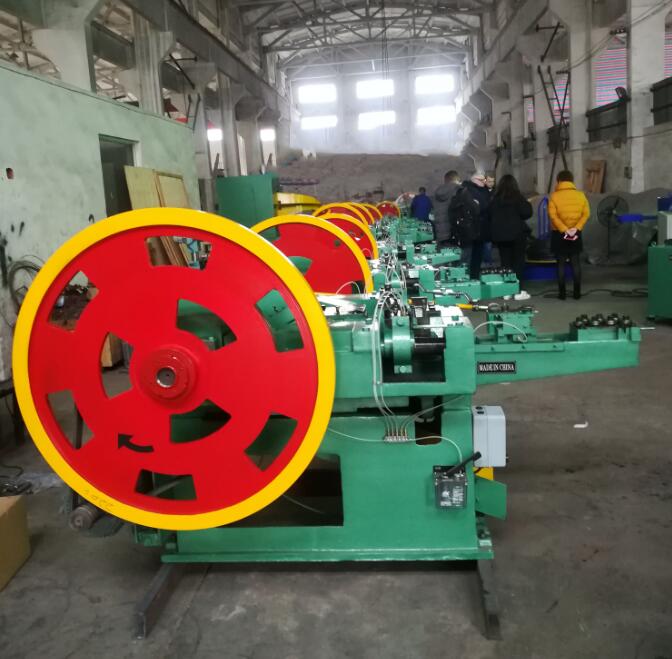
Nail Making Machines
Source industrial-grade nail making machines from vetted suppliers and manufacturers across Asia. Designed for equipment importers, industrial wholesalers, and manufacturing facilities, our network delivers reliable, high-speed production machinery. Secure competitive wholesale pricing and dedicated technical support for your bulk procurement needs.
Sourcing industrial nail making machines requires balancing upfront capital expenditure with long-term production reliability. Whether you are outfitting a new hardware manufacturing facility or upgrading legacy equipment to increase output, the core challenge is verifying that a supplier's stated specifications translate to consistent, jam-free operation on the factory floor.
Evaluating Machine Specifications and Architecture
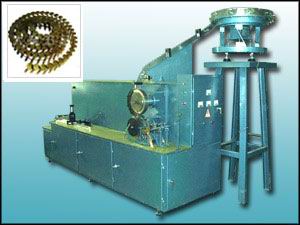
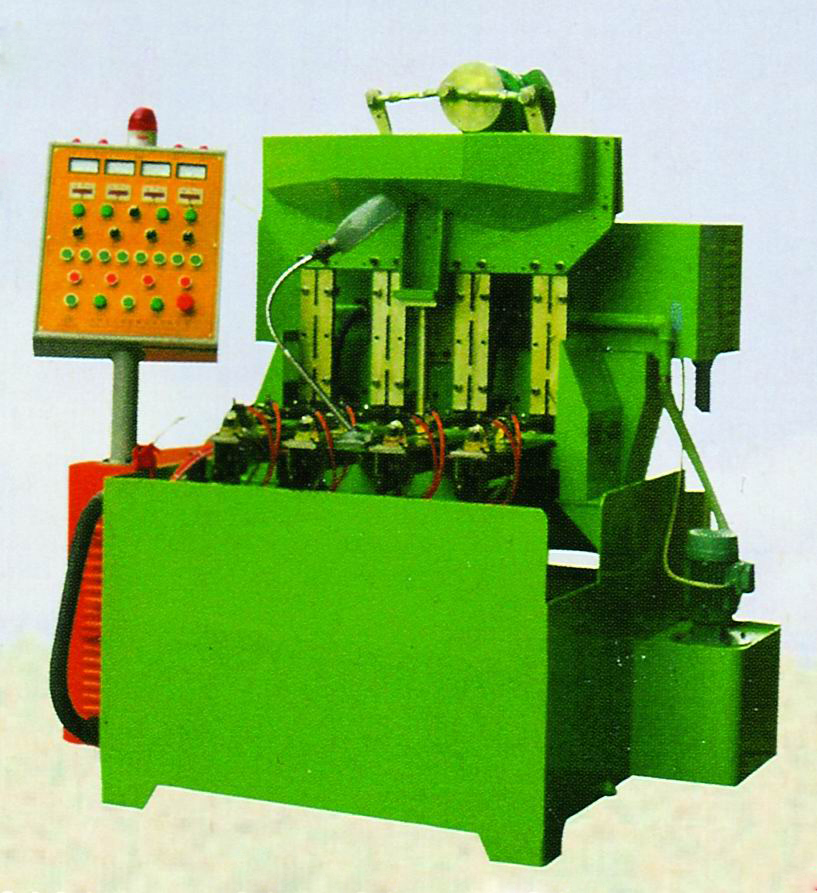
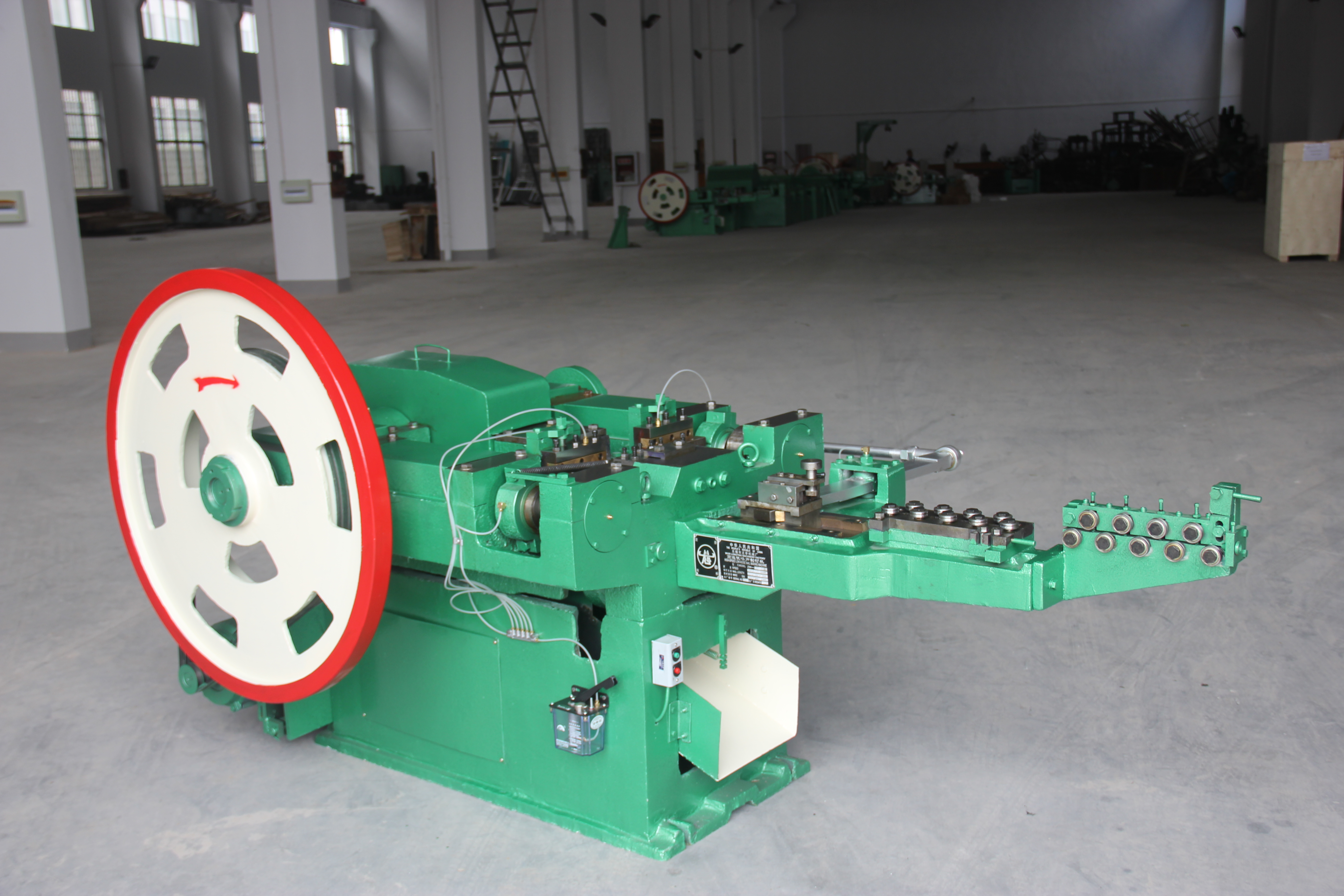
Different production targets require entirely different mechanical architectures. The global manufacturing market primarily offers traditional linear models (often designated as the Z94 series) and modern high-speed rotary machines. Selecting the right architecture dictates your facility's daily output, labor requirements, and maintenance overhead.
| Operational Factor | Traditional Linear (Z94 Series) | High-Speed Rotary |
|---|---|---|
| Production Speed | 200 to 450 pcs/min | Up to 2000 pcs/min |
| Noise Level | High (requires ear protection) | Lower (fully enclosed cabin) |
| Setup & Calibration | Fast and straightforward | Complex, requires trained technicians |
| Ideal Application | Low volume, high mix of nail sizes | High volume, continuous single-size runs |
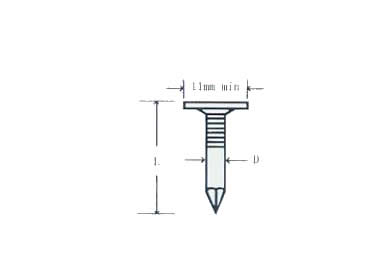
When specifying your requirements to a manufacturer, you must define the exact wire diameter range (e.g., 2.0mm to 4.5mm) and nail length range (e.g., 30mm to 100mm) you intend to produce. Forcing a machine to operate outside its optimal calibration window drastically accelerates wear on the internal cams and punch mechanisms.
Need help verifying a manufacturer's technical capabilities and production standards?
Talk to our teamCritical Components and Factory Vetting
A nail making machine is only as reliable as its wear parts and electrical backbone. When evaluating a potential manufacturing partner, look beyond the glossy spec sheet to their own in-house CNC machining capabilities and component sourcing standards.
Key Quality Indicators to Inspect
- Casting quality: Ensure the main frame is cast from high-grade nodular iron to absorb intense operational vibration without cracking.
- Tooling durability: Verify that cutting dies, grip molds, and punches are machined from premium alloy steel (such as YG20 tungsten carbide) for extended operational life.
- Electrical systems: Look for internationally recognized PLCs, inverters, and contactors (e.g., Siemens, Mitsubishi, Omron) to ensure reliable automation and easy local replacement.
- Lubrication mechanism: An automatic, centralized oiling system is mandatory for high-speed operation to prevent premature bearing and cam failure.
To ensure the factory actually utilizes these high-grade components rather than cheaper domestic alternatives, conducting rigorous factory audits is essential before placing a deposit. Furthermore, executing comprehensive quality control prior to container loading ensures the machine operates smoothly at the promised speed during a factory dry run.
Procurement Realities: Pricing, MOQs, and Lead Times
Industrial machinery procurement operates on different timelines and terms than standard consumer goods. Understanding these parameters helps you plan your capital deployment and facility readiness.
Pricing is heavily dictated by the machine's generation, output capacity, and the origin of its electronic components. Traditional linear machines are highly affordable, making them suitable for emerging markets and smaller operations. Conversely, high-speed enclosed rotary machines command a significant premium but offer vastly superior ROI at scale due to reduced labor costs per ton of nails produced.
Because these machines are heavy, oversized loads requiring secure crating, coordinating specialized shipping and freight is a critical factor in calculating your accurate landed cost.
Optimize your machinery procurement, quality verification, and heavy logistics.
Get a free consultationFrequently Asked Questions
Ultimately, a successful machinery import hinges on the total cost of ownership, not just the initial FOB price. By prioritizing robust mechanical construction, reliable wear parts, and verifiable supplier credentials, you secure a durable production asset that delivers consistent value and output for over a decade.
Get Sourcing Help for Nail Making Machines
Tell us your requirements and our experts will connect you with verified manufacturers.