Musical Instrument Stands
Source premium Musical Instrument Stands from vetted manufacturers and suppliers ready for bulk production. Designed for importers, distributors, and brands seeking reliable OEM and private-label manufacturing, our network delivers durable, high-capacity stands tailored to your market's exact specifications.
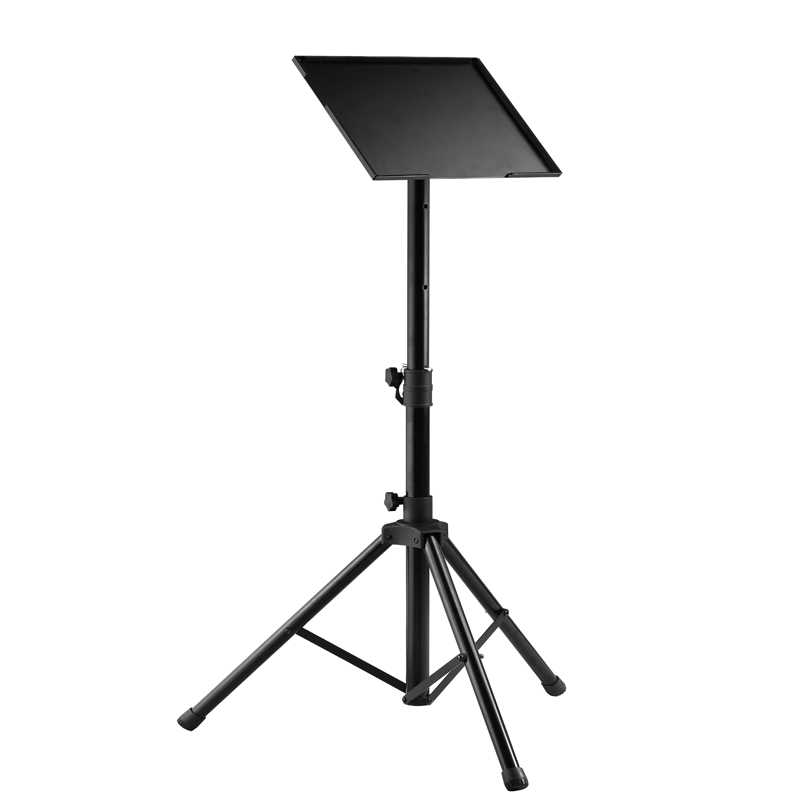
Sourcing reliable musical instrument stands at scale requires balancing structural integrity, material cost, and instrument safety. Whether you are importing heavy-duty speaker stands, multi-guitar racks, or lightweight folding music desks, the core challenge remains the same: ensuring consistent manufacturing tolerances so joints do not slip under load, and selecting contact materials that will not degrade high-end instrument finishes.
Critical Material Specifications
The difference between a professional-grade stand and a budget alternative comes down to raw material selection and wall thickness. Buyers must specify exact material grades to avoid factory substitutions that compromise load-bearing capacity.
- Tubing Materials: Steel (typically Q235 or similar structural steel) is standard for keyboard, amplifier, and heavy-duty microphone stands. Aluminum alloys (like 6061) are preferred for portability in music desks and lightweight tripods.
- Wall Thickness: For structural steel stands, a minimum wall thickness of 1.0mm to 1.2mm is standard for professional use. Budget stands often drop to 0.8mm, which risks bending under lateral stress.
- Contact Points (Padding): This is the highest-risk area for guitar and string instrument stands. Padding must use inert materials like high-density EVA foam or specialized TPE (Thermoplastic Elastomer). Cheap rubber compounds can chemically react with nitrocellulose lacquers used on high-end guitars, causing severe finish damage and costly liability.
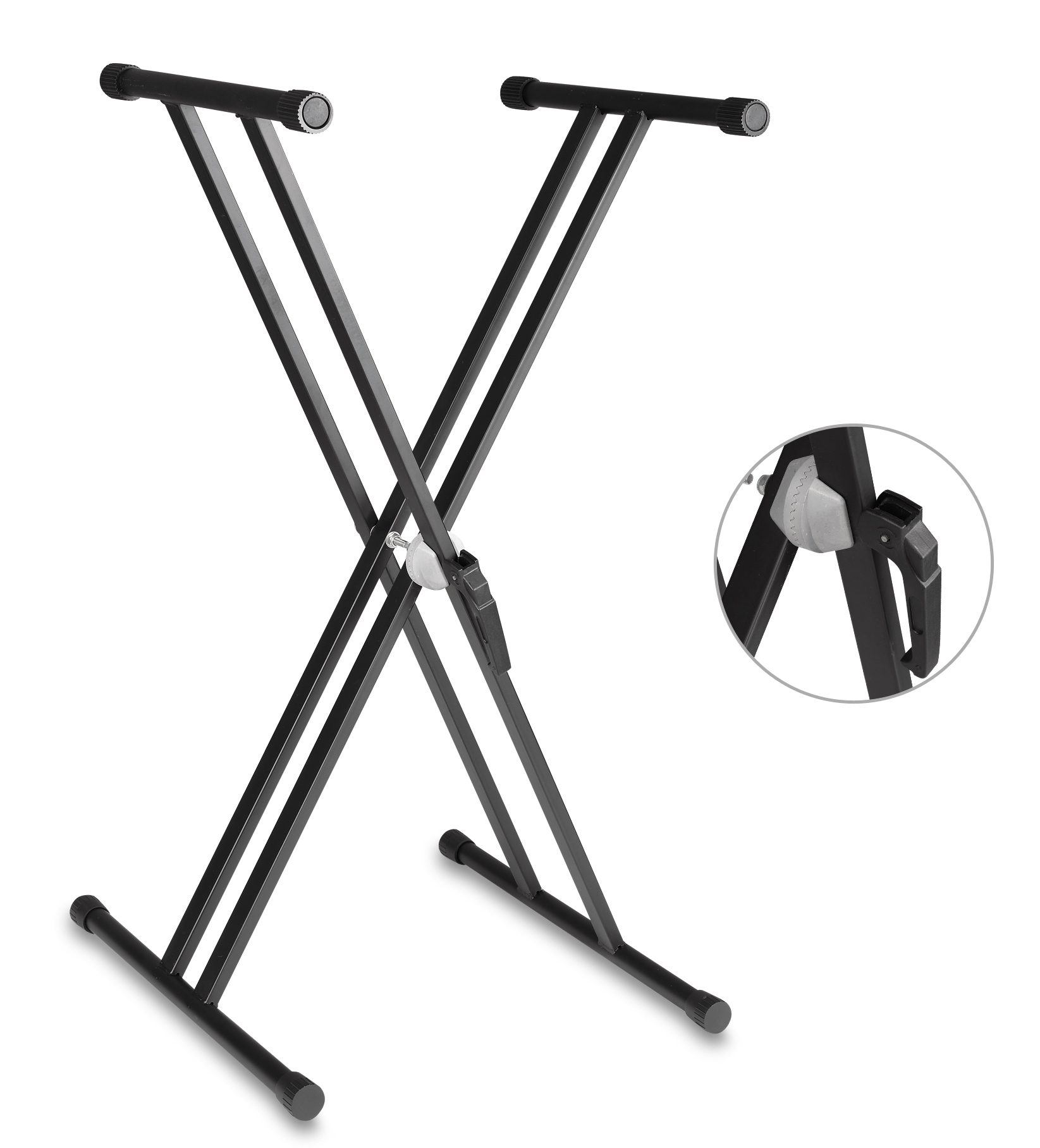
- Clutches and Joints: High-wear components like height-adjustment clutches and folding joints should be molded from nylon or glass-reinforced nylon, not standard ABS plastic, to prevent cracking over time.
Need to verify a factory's material grades and manufacturing tolerances? Let our sourcing experts secure the right supply chain for your brand.
Talk to our teamManufacturing Tolerances and Quality Control
Producing a stable stand requires precise tube bending, clean welding, and durable surface treatments. When evaluating a supplier, their metalworking capabilities dictate the final product's reliability.
| Component | Standard Market Quality | Professional/Touring Quality |
|---|---|---|
| Welding | Spot welded, visible splatter | Continuous TIG/MIG, ground flush |
| Surface Finish | Basic spray paint, prone to chipping | Electrostatic powder coating, baked |
| Base Stability | Fixed radius, plastic end caps | Adjustable radius, die-cast zinc base |
| Adjustment Knobs | Direct screw-to-tube (scratches tube) | Internal compression collar (protects tube) |
Implementing rigorous quality control at the factory level is essential before shipment. Key inspection points include:
Pre-Shipment Inspection Focus Areas
- Load testing: Applying 1.5x the rated weight capacity for 24 hours to check for clutch slippage.
- Chemical testing: Verifying foam padding is free of reactive plasticizers (nitrocellulose safe).
- Thread inspection: Ensuring tapped threads on microphone clips and bases match standard 5/8-inch or 3/8-inch specifications without burrs.
- Finish adhesion: Cross-cut testing on powder-coated surfaces to ensure resistance to chipping.
If you are developing custom proprietary locking mechanisms or unique folding designs, conducting thorough factory audits is critical to ensure the manufacturer has the necessary CNC machining and custom tooling capabilities in-house.
MOQs, Pricing Drivers, and Lead Times
Understanding the cost structure of instrument stands helps in negotiating accurate bulk pricing. Costs fluctuate based on global steel and aluminum commodity prices, but tooling and surface finishing also play major roles.
- Private Label vs. Custom Tooling: Buying off-the-shelf designs with your brand's logo printed on the packaging or stamped on the metal requires standard MOQs (often around 500 units). However, if you are utilizing OEM/ODM services to create a proprietary clutch mechanism or a unique base design, expect higher MOQs (1,000 to 3,000 units) to amortize the cost of new plastic injection molds and metal stamping dies.
- Packaging Considerations: Stands are bulky. Factories often ship them disassembled in flat-pack corrugated boxes to optimize container space. Ensure the factory uses adequate internal blister packing or poly bags to prevent metal-on-metal scratching during ocean transit.
Ready to optimize your landed costs and standardize your product quality? Connect with our sourcing specialists today.
Get a free consultationFrequently Asked Questions
Successfully sourcing musical instrument stands in volume requires strict oversight of raw material selection and mechanical tolerances. By partnering with a dedicated sourcing team, you can bypass substandard manufacturers, enforce rigorous quality standards, and ensure your products protect both your customers' instruments and your brand's reputation.
Get Sourcing Help for Musical Instrument Stands
Tell us your requirements and our experts will connect you with verified manufacturers.