Mushrooms & Truffles
Source premium bulk mushrooms and truffles directly from vetted manufacturers and agricultural suppliers. Designed for importers, food distributors, and health brands, our network supports high-volume wholesale, custom extracts, and private-label production with strict compliance and quality control.
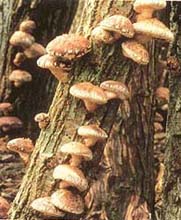
Sourcing commercial volumes of mushrooms and truffles requires strict oversight of agricultural practices, processing methods, and phytosanitary compliance. Because fungi are highly efficient bioaccumulators, the line between a premium food-grade product and a rejected shipment often comes down to trace heavy metals, pesticide residues, or improper moisture control during the drying process. Whether you are importing dried shiitake for food service, importing bulk truffles for processing, or sourcing high-polysaccharide mushroom extracts for supplements, defining precise specifications is the foundation of a successful procurement strategy.
Critical Specifications for Bulk Buyers
When negotiating with agricultural processors or extract manufacturers, vague specifications lead to inconsistent shipments. Professional buyers must dictate exact parameters based on the final application.
For dried whole mushrooms, cap diameter, stem length, and moisture content are the primary cost drivers. Moisture must strictly remain under 12 percent to prevent mold during transit. For medicinal or functional mushroom extracts (like reishi, lion's mane, or cordyceps), specifications shift from physical appearance to active compounds, requiring precise extraction ratios (e.g., 10:1) and guaranteed beta-glucan or polysaccharide percentages.
| Grade Level | Cap Condition | Stem Length | Typical Application |
|---|---|---|---|
| Grade A (Premium) | Fully intact, thick, uniform size, no cracks | Trimmed close to cap (under 0.5cm) | Premium retail, high-end food service |
| Grade B (Standard) | Slightly irregular, minor edge cracking allowed | Up to 1.5cm | General wholesale, catering, sliced products |
| Grade C (Processing) | Broken caps, irregular sizes, thin flesh | Untrimmed or variable | Soups, powders, extracts, sauces |
Struggling to find a supplier that consistently meets your exact grading and moisture requirements? Merhein can match you with vetted processors capable of strict spec adherence.
Discuss your specificationsManaging Contamination and Quality Control
The most significant risk in sourcing bulk fungi is contamination. Mushrooms absorb compounds from their growing substrate and environment rapidly. If the substrate is contaminated or the water supply is compromised, the harvested crop will fail import testing for cadmium, lead, arsenic, or mercury.
To mitigate these risks, buyers must integrate rigorous Compliance & Testing into their sourcing protocols. Independent lab testing should verify that heavy metals and pesticide residues fall well below the maximum residue limits (MRLs) of your destination market (such as FDA or EFSA standards).
Beyond chemical contamination, physical defects must be caught before the container is loaded. Implementing professional Quality Control & Inspection at the processing facility is essential.
Pre-Shipment Inspection Focus Areas for Fungi
- Moisture analysis (must test at or below 12 percent for dried products)
- Visual inspection for insect damage, webbing, or larvae
- Foreign matter checks (soil, twigs, stones, or plastic from growing bags)
- Aflatoxin and mycotoxin screening, especially for sun-dried batches
- Verification of vacuum sealing or desiccant placement in bulk packaging
Factory Processing Capabilities
Not all suppliers have the infrastructure to process export-grade agricultural products safely. The drying method significantly impacts both the shelf life and sensory profile of the product. Traditional sun-drying is common and cost-effective but exposes the product to environmental contaminants and inconsistent moisture reduction. Modern facilities utilize closed-loop dehydration or freeze-drying, which preserves cellular structure, locks in flavor, and guarantees uniform moisture levels.
When evaluating a new manufacturing partner, on-site Factory Audits are highly recommended. Auditors should verify the presence of industrial metal detectors, X-ray sorting machines (crucial for removing stones that mimic dried mushrooms in density), and proper clean-room environments for extract powder packaging.
MOQs, Pricing Drivers, and Lead Times
Pricing in the mushroom and truffle market is highly seasonal and volatile, driven by harvest yields, weather conditions, and energy costs for mechanical drying.
For truffles specifically, the market is divided between European varieties and Asian varieties (like Tuber indicum). Buyers must be acutely aware of pricing discrepancies and ensure species verification, as Asian truffles are often sourced in bulk for commercial processing (infused oils, pastes) at a fraction of the cost of European winter truffles.
Need reliable pricing and capacity data for your next bulk order? Let our team handle the supplier negotiations and secure competitive terms.
Talk to our sourcing teamFrequently Asked Questions
Final Thoughts
Successfully importing bulk mushrooms and truffles requires balancing agricultural realities with strict food safety compliance. By defining exacting specifications, insisting on modern processing infrastructure, and mandating independent lab testing, buyers can secure high-quality supply chains that scale safely. Engaging an experienced sourcing partner on the ground ensures that your quality standards are enforced long before the product reaches the port.
Get Sourcing Help for Mushrooms & Truffles
Tell us your requirements and our experts will connect you with verified manufacturers.