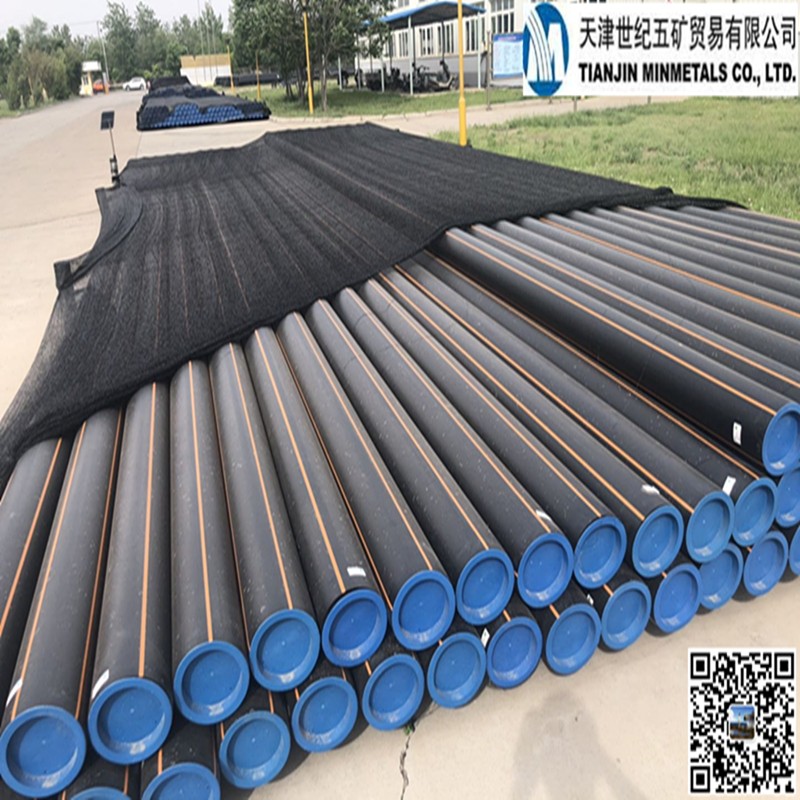
Municipal Water Supply Engineering
Source reliable Municipal Water Supply Engineering components and systems from vetted manufacturers. Designed for government contractors, engineering procurement managers, and distributors importing bulk infrastructure equipment like industrial pumps, heavy-duty valves, and filtration modules.
Municipal water supply projects demand uncompromising reliability and strict adherence to international safety standards. Sourcing the underlying engineering components—from high-capacity centrifugal pumps to large-diameter ductile iron valves and advanced filtration skids—requires navigating a complex landscape of heavy-industrial manufacturers. For procurement managers and engineering contractors, the challenge lies in verifying factory casting capabilities, enforcing strict material compliance, and coordinating the logistics of oversized infrastructure equipment.
Core Equipment Specifications and Tolerances
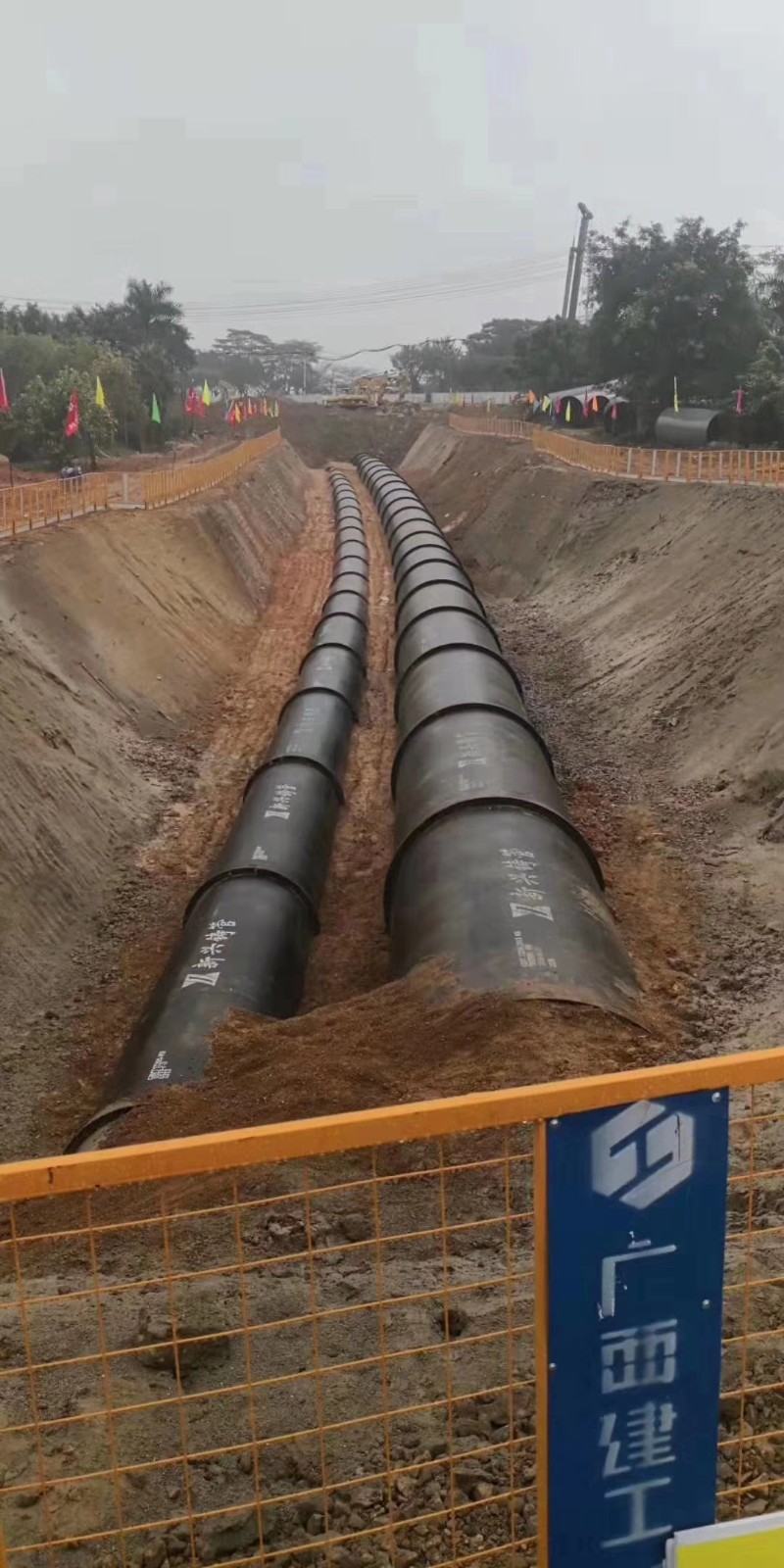
When sourcing for municipal water infrastructure, precision in material selection and pressure ratings dictates the lifespan of the system. Procurement teams must clearly define specifications to avoid catastrophic failures in high-pressure distribution networks.
| Equipment Category | Common Materials | Critical Specifications | Factory Testing Focus |
|---|---|---|---|
| High-Capacity Pumps | Cast Iron, Duplex Stainless Steel | Flow rate (m3/h), Head pressure, NPSH | Dynamic balancing, Performance curve validation |
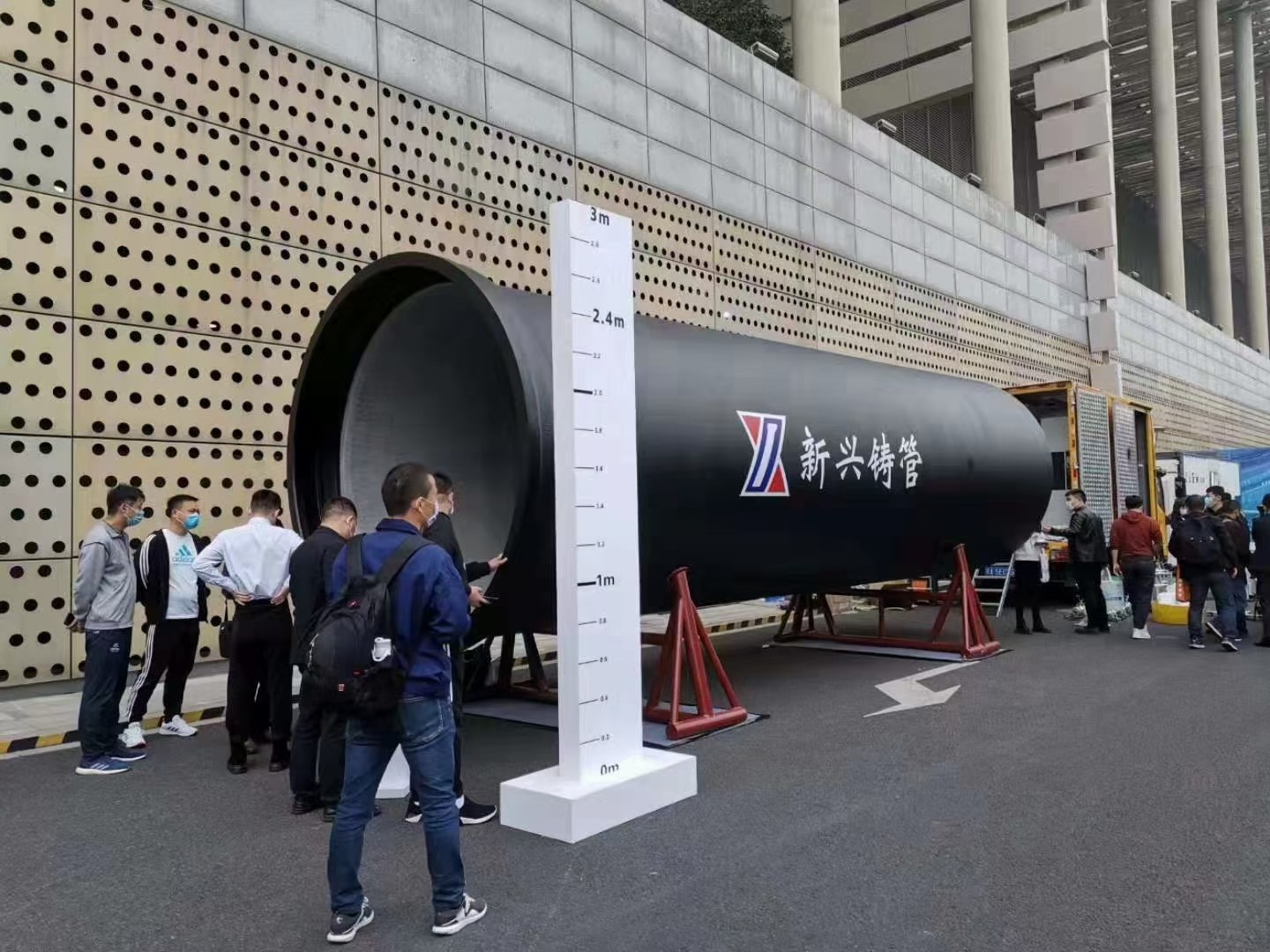
| Large-Diameter Valves | Ductile Iron (GGG50), EPDM | Pressure rating (PN10/PN16/PN25) | Hydrostatic shell and seat testing |
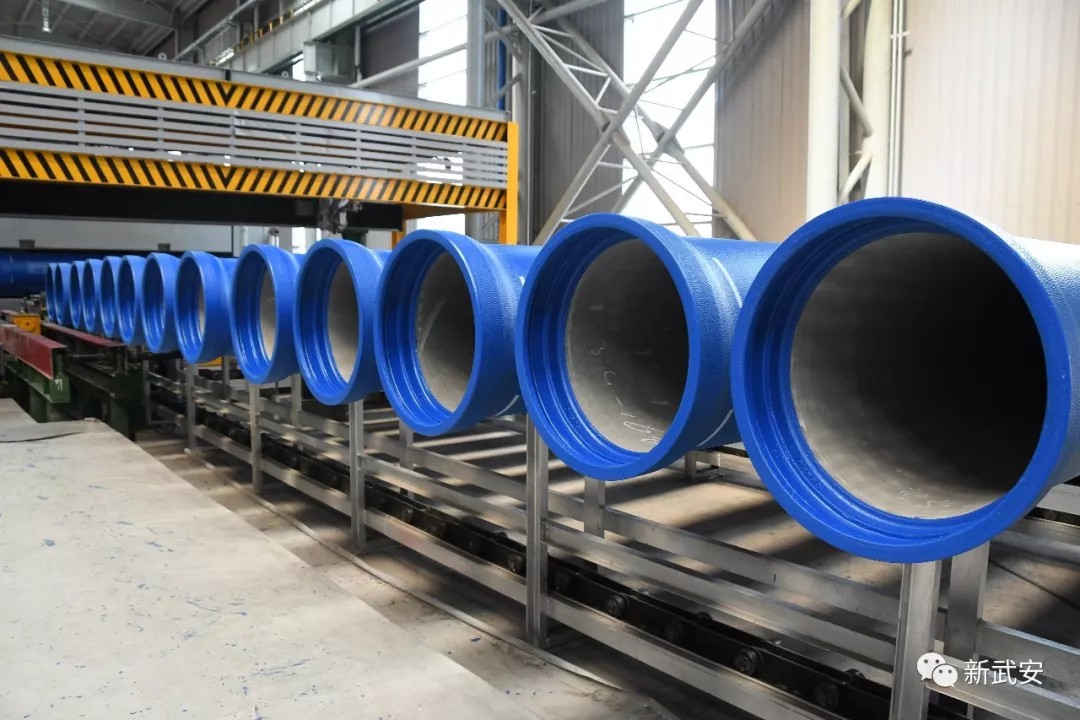
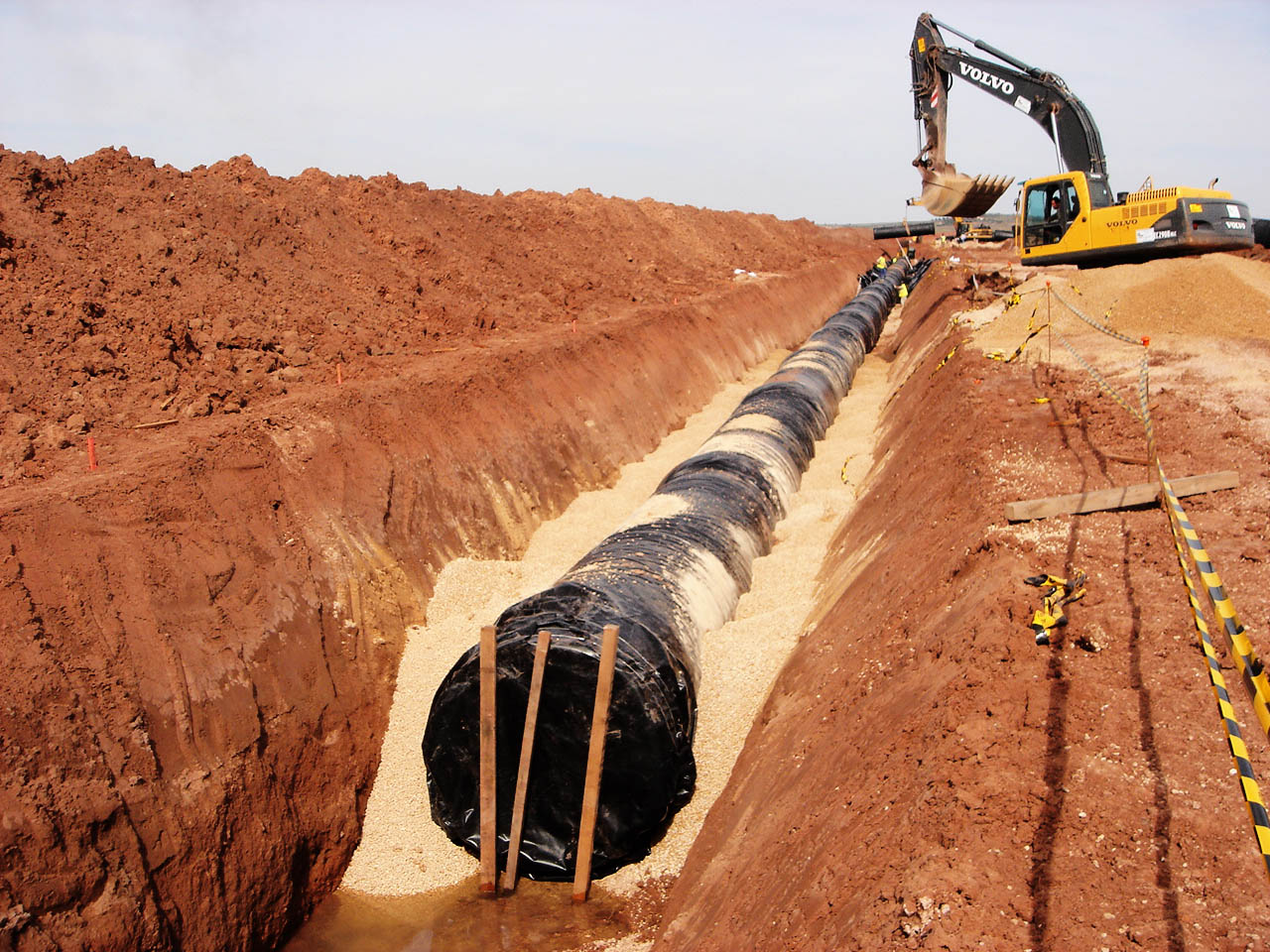
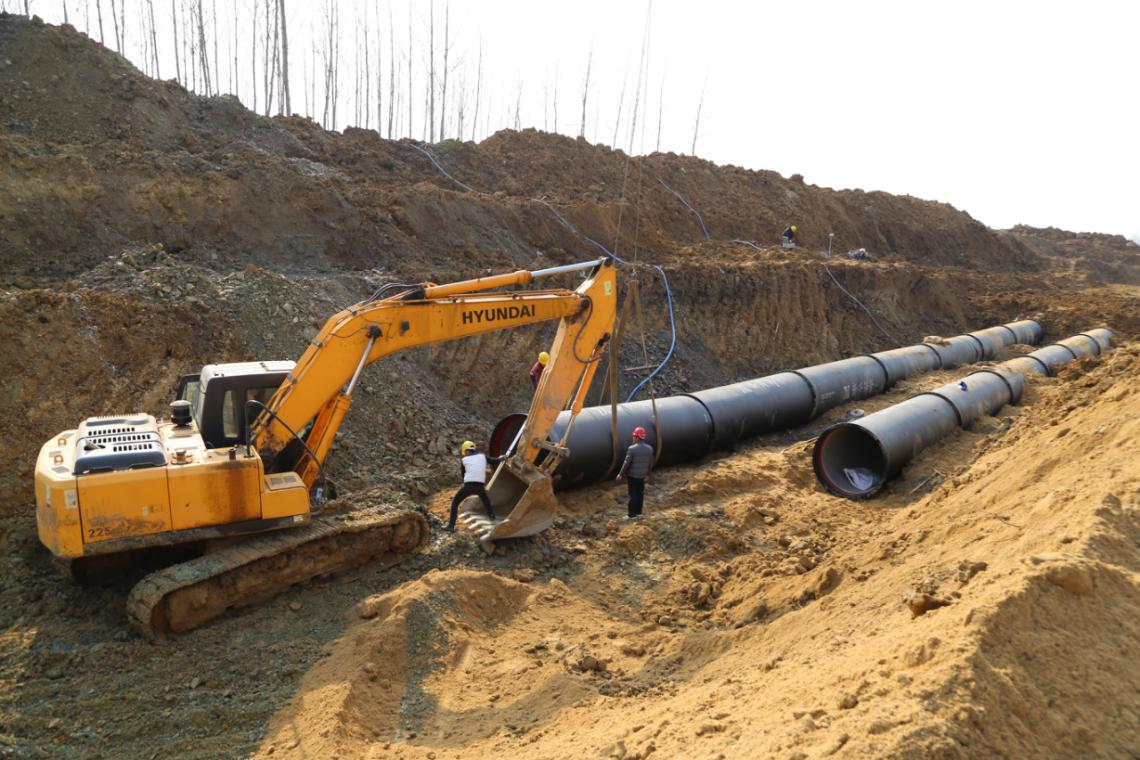
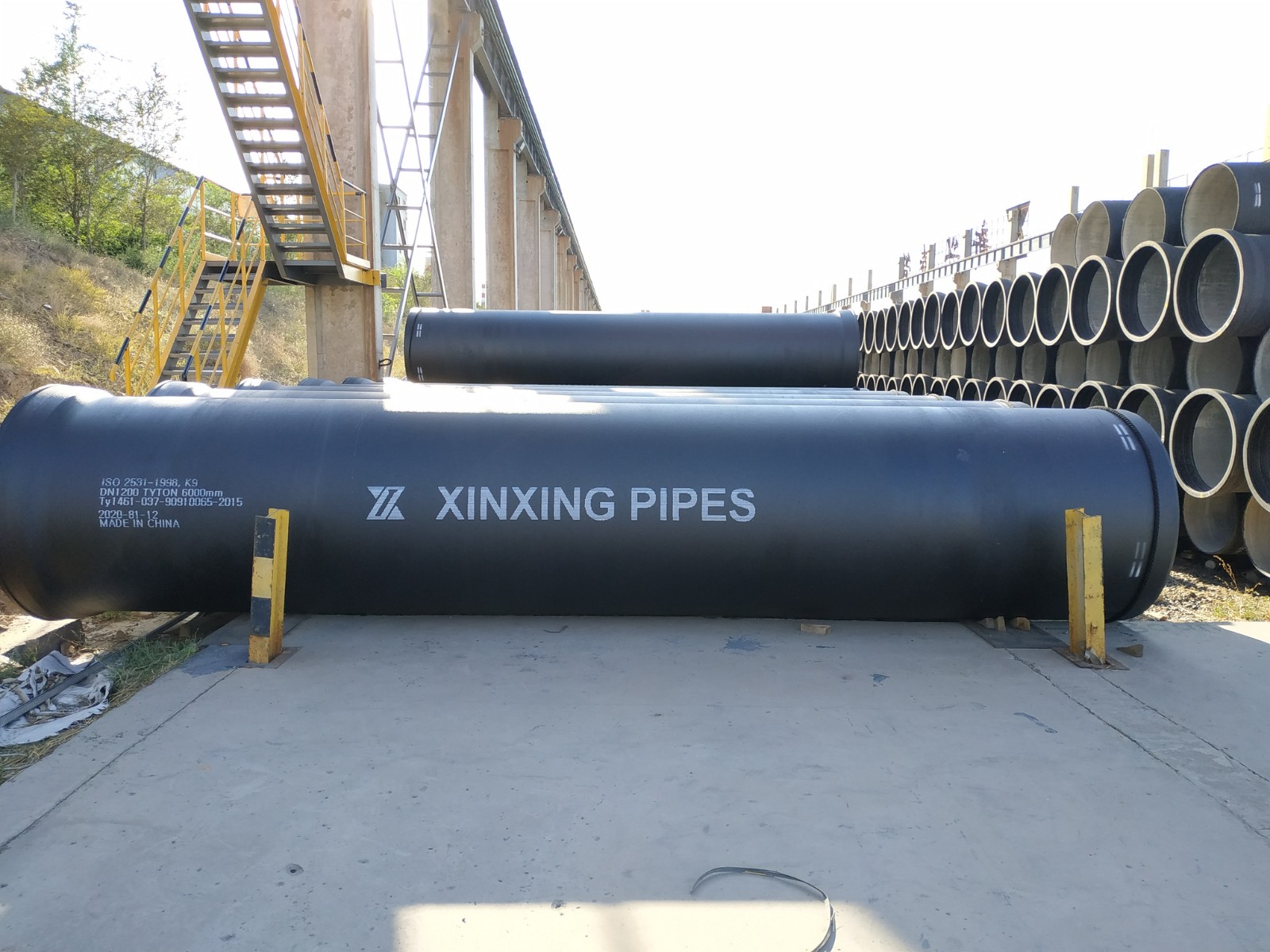
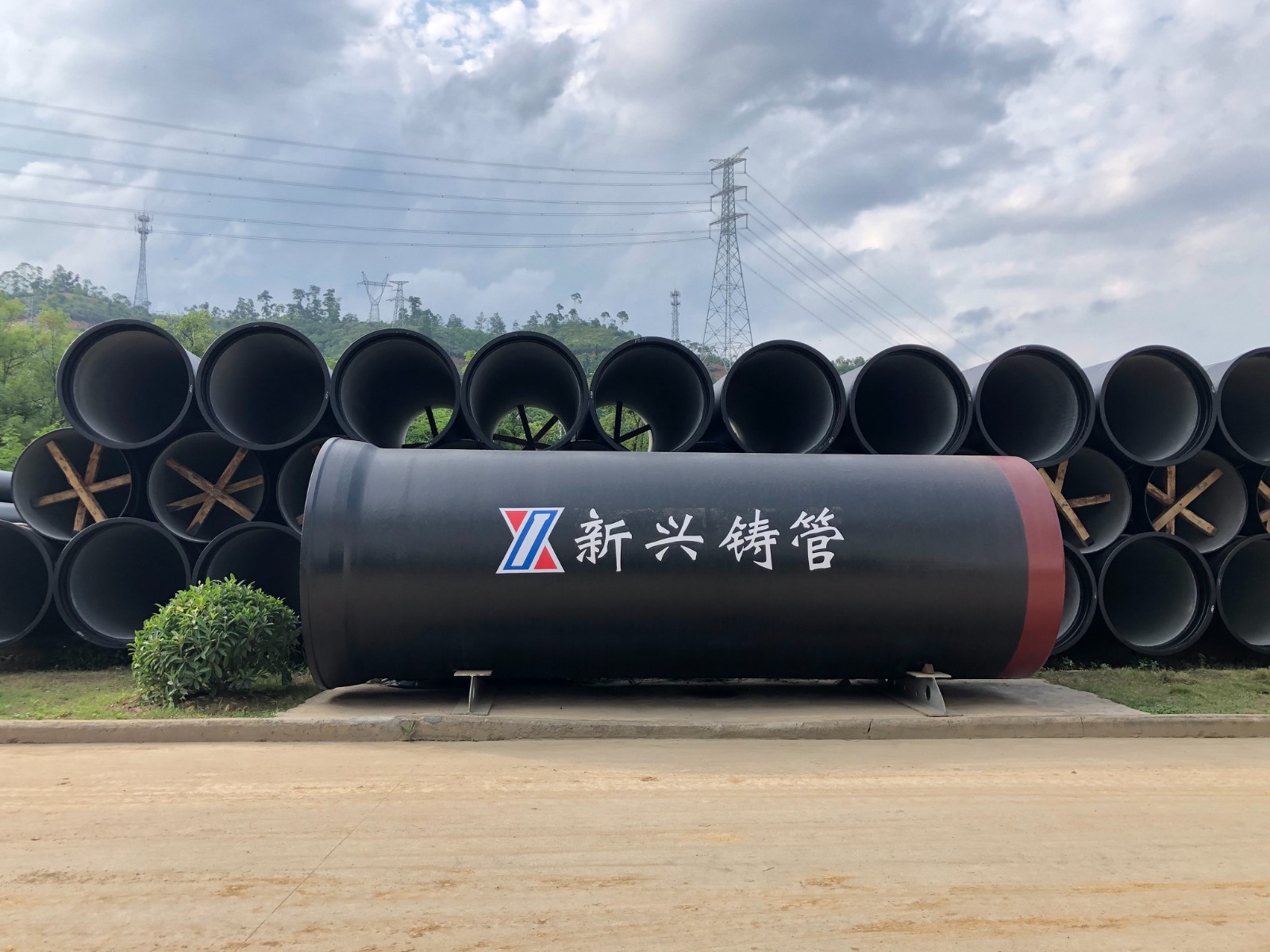
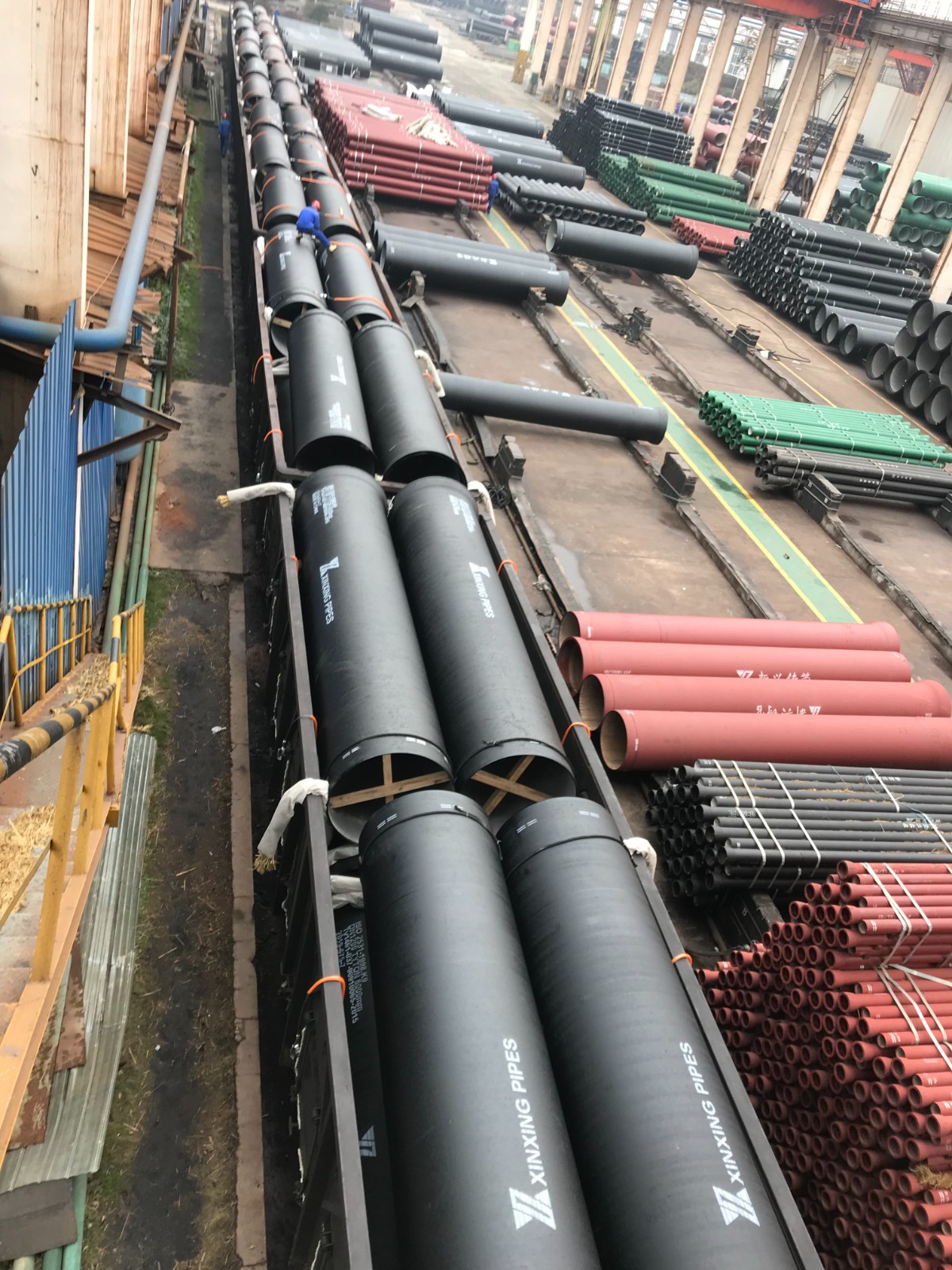
| Piping & Fittings | Ductile Iron, HDPE, Carbon Steel | Wall thickness, Tensile strength | Ultrasonic flaw detection, Coating thickness |
| Filtration Modules | 304/316L Stainless Steel, FRP | Micron rating, Operating pressure | Weld seam radiography, Pressure cycling |
Evaluating manufacturers for a major infrastructure project? Let our engineering sourcing specialists help you vet capable heavy-industrial suppliers.
Get a free consultationManufacturing Capabilities to Verify
Not all foundries or machining centers are equipped to handle municipal-grade engineering components. The difference between a reliable infrastructure supplier and a high-risk vendor lies in their in-house testing infrastructure and quality management systems.
Relying on a supplier's self-reported capabilities is a frequent point of failure. Conducting rigorous Factory Audits is essential to verify that the facility has the heavy lifting equipment, CNC machining centers for large diameters, and dedicated testing rigs required for municipal engineering components.
Critical Factory Capabilities for Water Engineering
- In-house hydrostatic testing rigs capable of exceeding the maximum rated pressure of the components by at least 1.5 times.
- Spectrometer analysis equipment to verify the exact chemical composition of raw metal batches before casting.
- Automated epoxy coating lines to ensure uniform thickness and adherence to anti-corrosion standards.
- Traceability systems that link final components back to specific raw material heat numbers.
- Dedicated clean assembly areas for components handling potable water to prevent cross-contamination.
Quality Standards and Material Compliance
Municipal water systems, particularly those handling potable water, are heavily regulated. Non-compliance at the material level can result in rejected shipments or severe legal liabilities.
Manufacturers must utilize materials that prevent leaching of heavy metals or toxic organic compounds. When sourcing internationally, you must implement strict Compliance & Testing protocols to ensure components meet regional standards such as NSF/ANSI 61 for drinking water system components, AWWA (American Water Works Association) standards for valves and pipes, or equivalent EN/ISO standards. Pay special attention to the vulcanization of EPDM rubber seals and the formulation of fusion-bonded epoxy (FBE) coatings, as these are common areas where lower-tier suppliers cut costs.
Procurement Mechanics: MOQs, Lead Times, and Logistics
Sourcing heavy engineering components operates on a different scale than standard commercial goods. Pricing and minimum order quantities are heavily influenced by raw material commodity markets (iron, steel, copper) and the complexities of heavy casting.
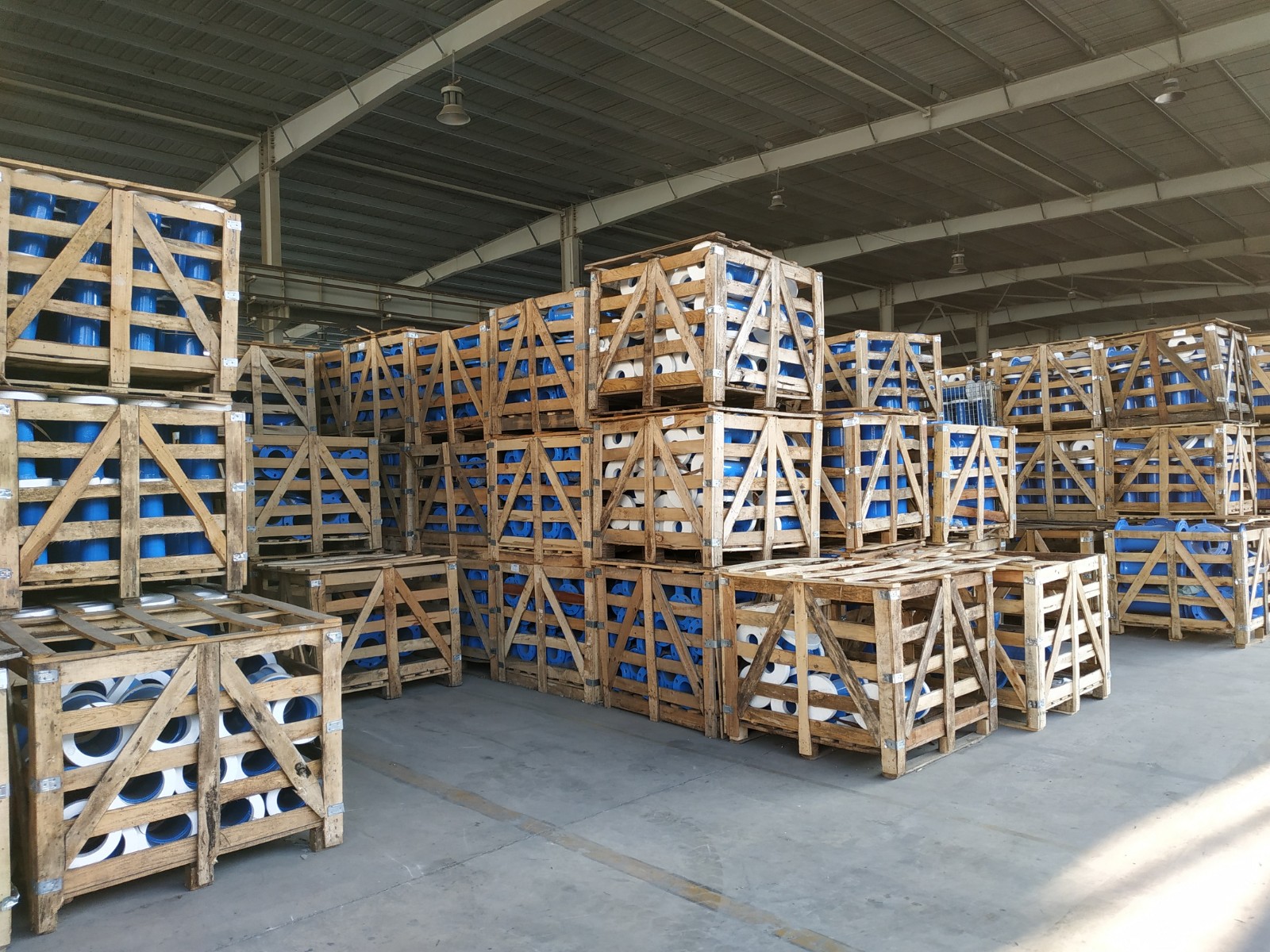
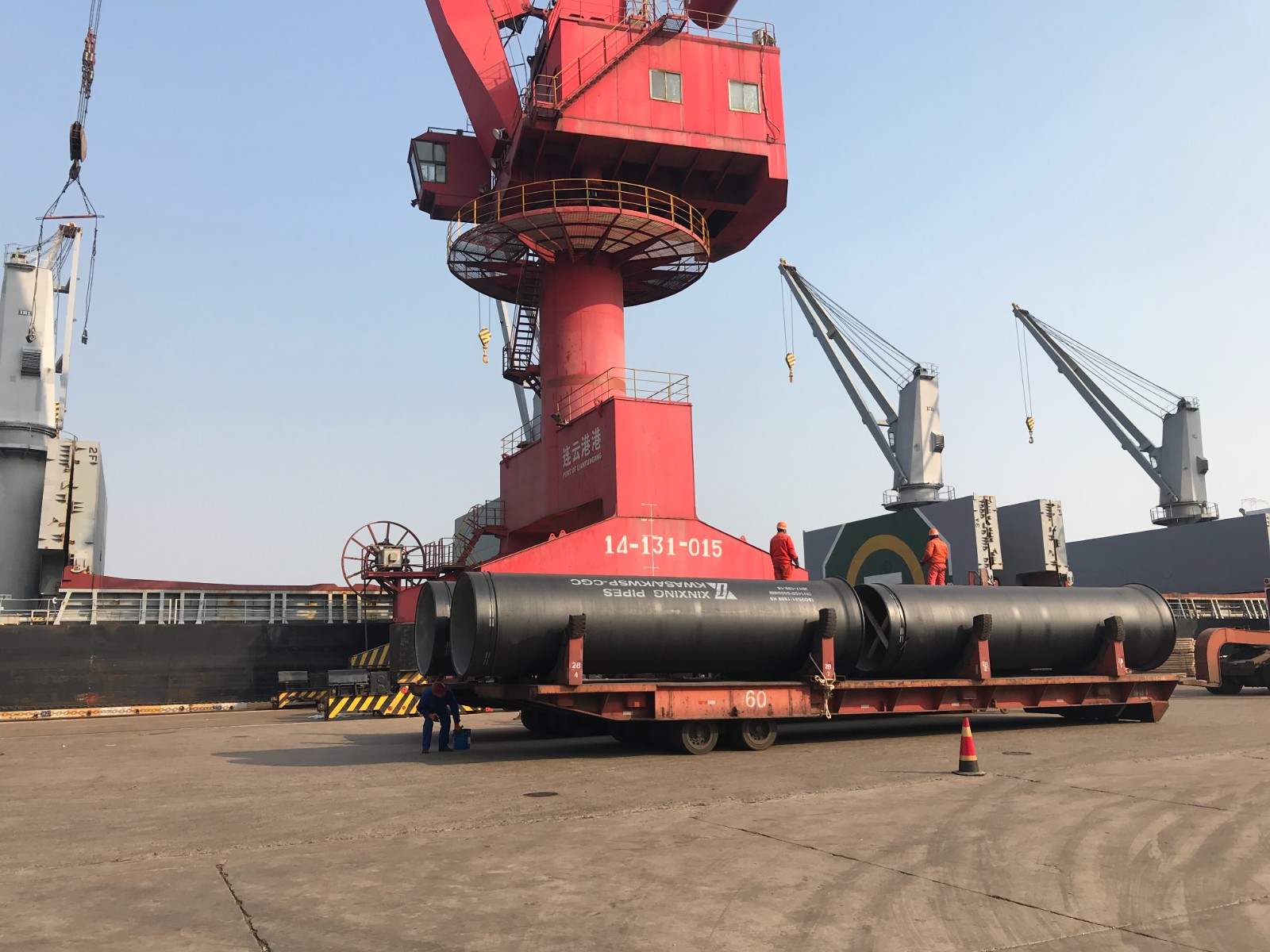
Logistics for municipal water supply engineering components require specialized handling. Large-diameter pipes, massive gate valves, and assembled filtration skids often exceed standard container dimensions. Coordinating Shipping & Freight may involve breakbulk shipping, flat rack containers, and complex customs documentation to prove regulatory compliance upon import.
Need to coordinate complex manufacturing schedules and heavy-freight logistics for your next municipal project?
Talk to our teamFrequently Asked Questions
Successfully sourcing municipal water supply engineering components requires more than finding a factory with the right catalog; it demands rigorous oversight of metallurgy, machining tolerances, and international compliance. By focusing heavily on factory capabilities and independent verification, procurement teams can secure reliable infrastructure equipment while controlling project costs.
Get Sourcing Help for Municipal Water Supply Engineering
Tell us your requirements and our experts will connect you with verified manufacturers.