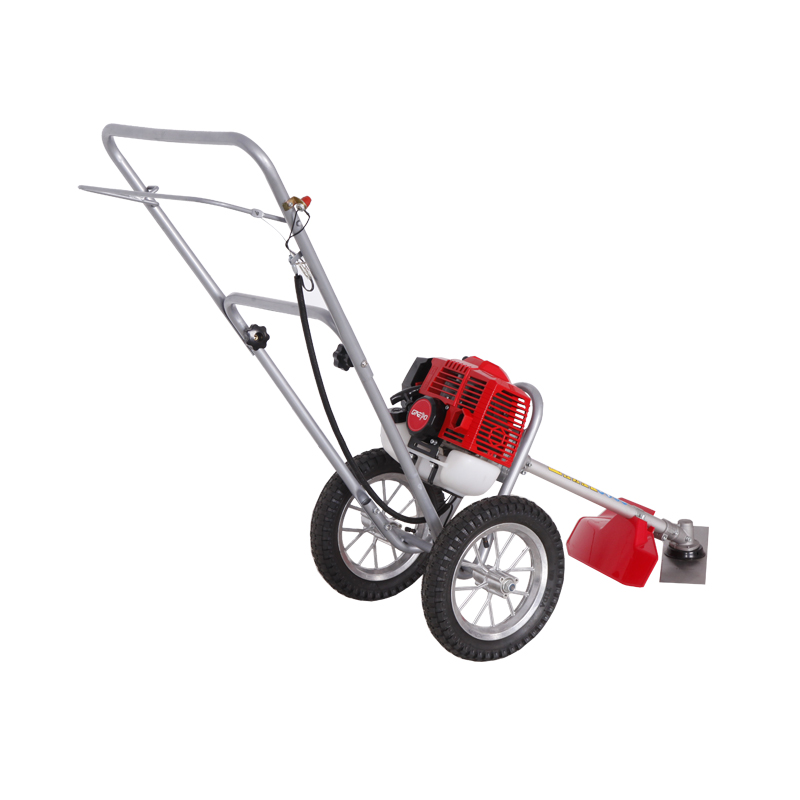
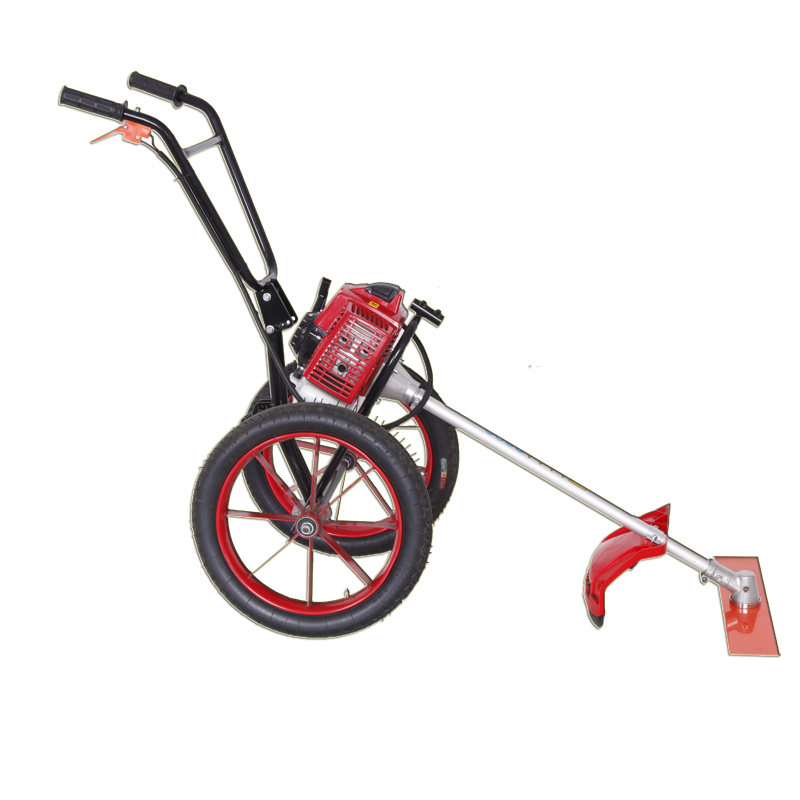
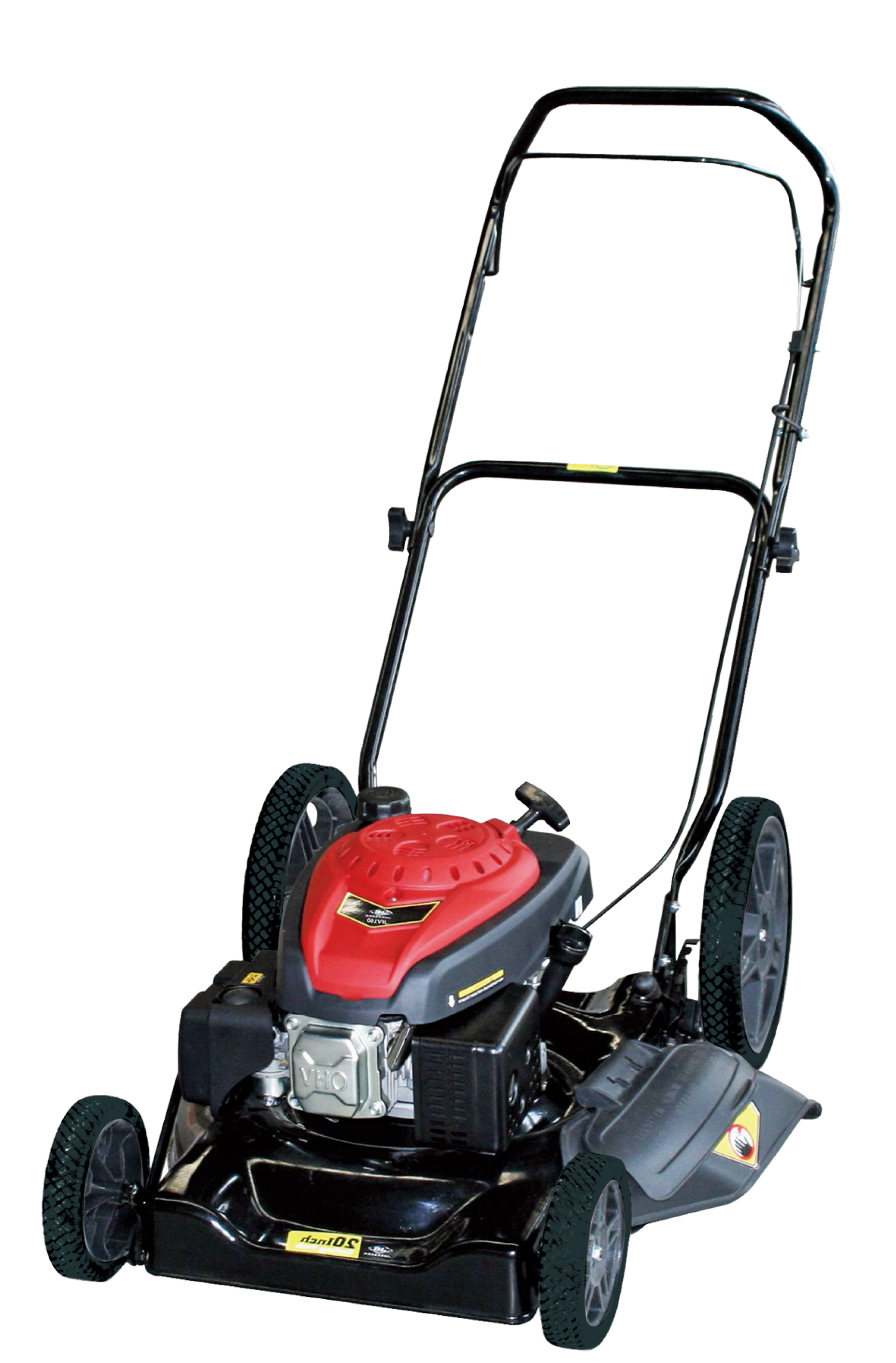
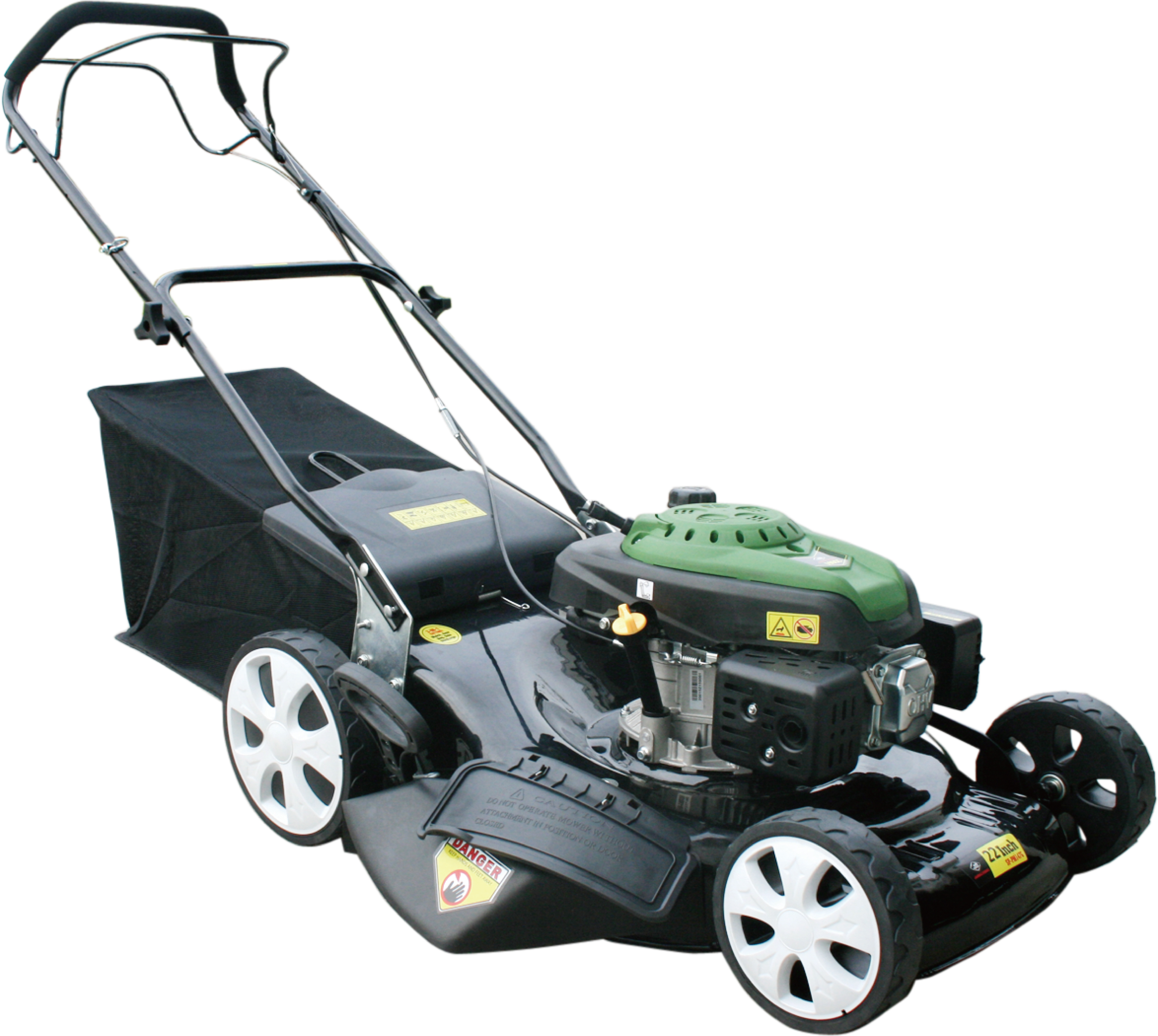
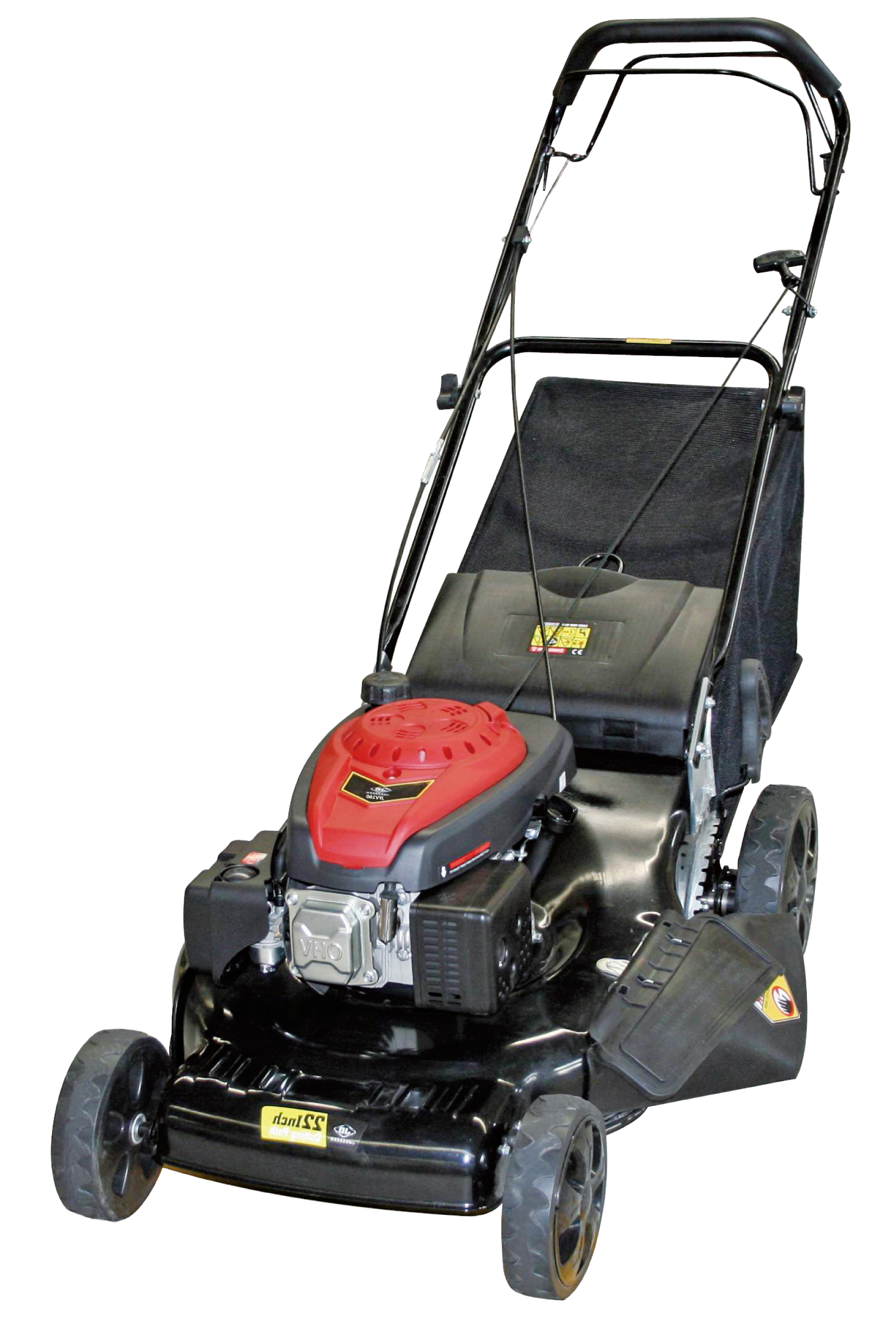
Mowers
Source high-performance agricultural mowers from vetted suppliers and manufacturers. Designed for importers, distributors, and agricultural equipment brands, our network supports bulk wholesale orders and OEM/private-label production. Secure reliable machinery built to international standards at competitive factory-direct pricing.
Sourcing agricultural mowers at scale requires a deep understanding of heavy-duty fabrication, drivetrain mechanics, and international safety standards. Whether you are procuring rotary, flail, or finishing mowers, the reliability of the equipment hinges on the quality of the gearbox, the dynamic balancing of the cutting elements, and the structural integrity of the deck. Navigating the manufacturer landscape in Asia demands rigorous vetting to ensure factories possess the in-house machining and testing capabilities necessary for commercial-grade agricultural machinery.
Core Specifications and Manufacturing Variables
When negotiating with manufacturers, vague specifications lead to inconsistent product quality. Professional buyers must dictate exact requirements for the drivetrain, cutting elements, and linkage systems.
Key technical parameters include:
- PTO Input Speed: Standardized at 540 RPM or 1000 RPM. Ensure the gearbox ratio matches the intended tractor horsepower and PTO output.
- Gearbox Capacity: Rated in horsepower (HP). Factories often use domestic gearboxes to reduce costs, but specifying premium or imported gearboxes (e.g., Comer) is critical for high-HP applications.
- Blade Material: Standard carbon steel degrades quickly. Specify heat-treated 65Mn spring steel or Boron steel for optimal wear resistance and impact tolerance.
- Deck Construction: The steel gauge of the mower deck determines its lifespan. Specify the exact millimeter thickness (e.g., 4mm or 5mm plate) rather than relying on generic "heavy-duty" descriptions.
| Drive Mechanism | Power Transfer | Maintenance Profile | Primary Application |
|---|---|---|---|
| PTO-Driven | Mechanical shaft to gearbox | Requires regular greasing and gear oil checks | Standard field clearing, heavy brush |
| Hydraulic | Tractor hydraulic remotes | Lower mechanical wear, requires clean fluid | Boom mowers, ditch banks, variable angles |
Need help standardizing your technical specifications across multiple factory quotes? Merhein can streamline your sourcing process.
Talk to our teamQuality Control and Common Factory Defects
In agricultural machinery manufacturing, visual aesthetics often mask mechanical shortcuts. Factories may save costs by using inferior bearings, skipping dynamic balancing, or applying thin, easily chipped paint. Implementing strict Quality Control & Inspection protocols is non-negotiable before the equipment is loaded into a container.
Vibration is the primary enemy of any mower. If a flail mower's rotor or a rotary mower's blade carrier is not dynamically balanced at the factory, the resulting vibration will destroy bearings and fatigue the steel deck within hours of operation.
Critical Pre-Shipment Inspection Points
- Dynamic rotor balancing verification to prevent high-RPM vibration
- Gearbox oil seal integrity and torque testing under load
- Deck steel gauge verification using ultrasonic thickness gauges
- Weld penetration analysis on Category 1 or 2 three-point hitch linkages
- Powder coating thickness and adhesion testing (cross-hatch test)
OEM/ODM Customization and Private Labeling
For brands looking to differentiate their equipment lines, working with capable factories for OEM/ODM Services allows for substantial customization. This goes beyond custom RAL paint colors and branded decals.
You can specify upgraded components such as SKF or NSK bearings, specialized PTO shafts with shear bolts or slip clutches, and custom-designed skids or rear rollers. When developing custom chassis designs, ensure the factory has robust R&D capabilities and utilizes 3D CAD modeling to simulate stress points before prototyping.
Pricing, MOQs, and Lead Times
Pricing for agricultural mowers is heavily tied to global steel indices and the origin of the drivetrain components. Because mowers are bulky, container utilization is a major factor in landed costs. Factories typically ship mowers in SKD (Semi-Knocked Down) condition in steel crates to maximize the number of units per 20ft or 40ft HQ container.
Struggling with high freight costs due to poor container utilization? Let us optimize your packing and shipping strategy.
Get a free consultationFrequently Asked Questions
Securing a reliable supply chain for agricultural mowers means looking past the initial unit price and evaluating the manufacturer's machining precision, component sourcing, and financial stability. Conducting thorough Factory Audits before placing your first bulk order is the most effective way to mitigate risk and ensure long-term product consistency.
Get Sourcing Help for Mowers
Tell us your requirements and our experts will connect you with verified manufacturers.